Top Landscaping Services in Lancaster, NY, 14043 | Compare & Call
There are 196 landscaping companies server in Lancaster NY
Captain's Lawn Service is a dedicated, locally-owned lawn care provider in Lancaster, NY, specializing in creating and maintaining healthy, vibrant lawns for area homeowners. We understand the common ...
A to Z Lawn Care in Lancaster, NY, provides comprehensive lawn services to keep your property healthy and vibrant year-round. We specialize in addressing common local landscaping challenges, particula...
Buzz Cutz Landscaping is a family-operated business proudly serving Depew, NY, and the surrounding Western New York communities since 2006. Founded on principles of honesty and hard work, we provide r...
Robs Lawn Maintenance is a trusted lawn care provider serving homeowners in Depew, NY. Specializing in comprehensive lawn care services, we help address common local landscaping challenges like landsc...
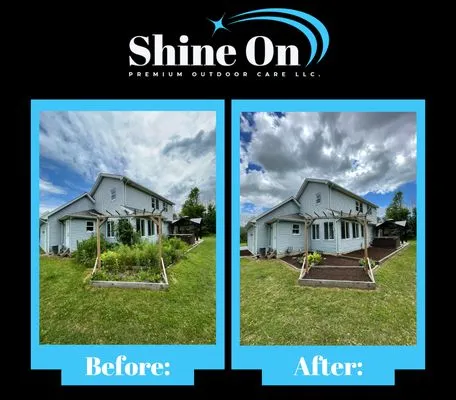
Shine On Premium Outdoor Care is a locally owned and operated outdoor service provider in Buffalo, NY, established in 2023. We specialize in comprehensive landscaping, pressure washing, and painting s...

Faery's Golf & Landscape is a locally owned and operated business in Ransomville, NY, with over 20 years of experience in golf course renovation and comprehensive landscaping services. Led by Tony, a ...
Estimated Landscaping Service Costs in Lancaster, NY
Frequently Asked Questions
I have an HOA compliance notice for overgrown vegetation; how quickly can you perform an emergency cleanup?
For urgent HOA compliance, our electric maintenance fleet can dispatch from our staging area near Como Lake Park. Using the I-90 corridor, we estimate a 20-30 minute arrival to Lancaster Village during standard operating hours, which comply with the local 8:00 AM to 8:00 PM noise ordinance for power equipment. The initial assessment focuses on bringing the property to code, with a follow-up plan to address the underlying growth patterns and prevent future violations through scheduled maintenance.
What are the most aggressive invasive plants here, and how do I remove them without harming my garden?
In Lancaster, watch for Japanese Knotweed and Garlic Mustard, which outcompete native flora. Manual removal is effective for new infestations, ensuring the entire root system is extracted. For persistent problems, targeted, systemic herbicide applications by a licensed professional in the dormant season can be necessary, always following label instructions to protect desirable plants. Importantly, any fertilizer used in follow-up care must comply with the New York State Phosphorus Runoff Prevention Act, which prohibits phosphorus except for establishing new lawns or proven deficiencies.
Why is my lawn in Lancaster Village so compacted and thin, even with regular care?
Properties built in the 1950s, like many in Lancaster Village, have a 70+ year history of soil compaction from construction and maintenance traffic. The predominant neutral to slightly acidic silt loam has lost much of its original organic matter and pore space, severely limiting root penetration and water percolation. Annual core aeration is not just beneficial but necessary to reintroduce oxygen and improve permeability. Following aeration, amending with composted leaf mulch, readily available from local processing, will rebuild soil structure and support a healthier turfgrass root system.
Should I choose a wood deck or a paver patio for my backyard?
For longevity and minimal maintenance in Lancaster's climate, concrete pavers or natural bluestone are superior to wood. They offer exceptional durability against freeze-thaw cycles and will not rot, splinter, or require frequent sealing. While Lancaster has a low Firewise rating, non-combustible hardscapes like stone or pavers inherently contribute to defensible space. Their permeability, when installed correctly, also addresses the local drainage challenges better than solid concrete slabs.
My yard stays soggy for days after a rainstorm. What's the best long-term solution?
Prolonged saturation is a hallmark of Lancaster's clay-heavy subsoil and historic lot grading. The primary solution is installing a French drain system to intercept and redirect subsurface water. For any new hardscaping, specify permeable jointing materials for concrete pavers or opt for dry-laid natural bluestone to increase on-site infiltration. These approaches manage runoff effectively and often help meet the Village of Lancaster Building Department's updated stormwater management standards for renovation projects.
I'm tired of weekly mowing and gas blower noise. Are there lower-maintenance, eco-friendly alternatives?
Transitioning high-maintenance turf areas to a xeriscape with native perennials like Purple Coneflower, Wild Bergamot, and Butterfly Milkweed drastically reduces mowing, watering, and fossil-fueled blowing. These deep-rooted natives thrive in our Zone 6a climate and neutral soils, requiring no fertilization once established. This shift future-proofs your landscape against tightening noise ordinances and moves your property beyond 2026 biodiversity benchmarks by providing critical habitat for pollinators and birds.
I want to regrade my backyard for better drainage. What permits and contractor qualifications are required?
Altering the grade on a 0.25-acre lot typically requires a permit from the Village of Lancaster Building Department to ensure drainage changes don't adversely affect neighboring properties. The contractor must hold appropriate licensing through the New York State Department of State, Division of Licensing Services. This is crucial, as improper grading can lead to significant water damage and legal liability. Always verify both the permit and the contractor's state license before work begins.
How can I keep my Kentucky Bluegrass lawn healthy during dry spells without violating water conservation guidelines?
While Lancaster currently has no mandatory restrictions, voluntary conservation is critical. Smart Wi-Fi soil moisture sensor controllers are the definitive solution, applying water only when the root zone needs it, based on real-time evapotranspiration (ET) data. This technology prevents the common overwatering that leads to runoff and fungal disease in our clay-heavy subsoil. Properly calibrated, these systems maintain turf health with significantly less water than traditional timer-based irrigation, aligning with municipal conservation goals.
