Top Landscaping Services in Lake Placid, NY, 12946 | Compare & Call

There are 26 landscaping companies server in Lake Placid NY
Norse Property Services
Norse Property Services is a Hudson Falls-based company providing comprehensive property management, lawn care, and junk removal solutions for local homeowners and property owners. We specialize in ap...
Rawlins Revival and Cleanup is a Glens Falls-based home improvement specialist with nearly a decade of experience serving the local community. What began as side work has grown into a full-time busine...
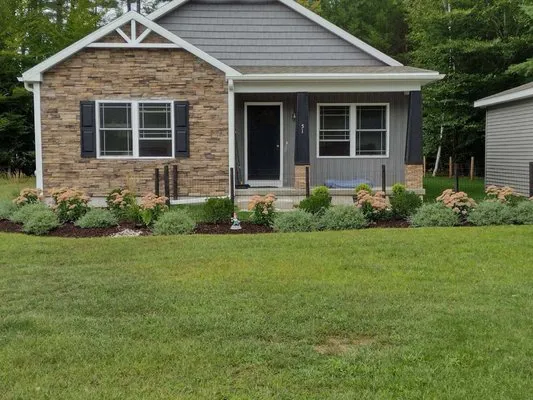
Country Home Landscapes
Country Home Landscapes in Queensbury, NY, is a sustainable landscaping service founded by two horticulturists deeply inspired by the Adirondacks. Their approach integrates native plant species with o...
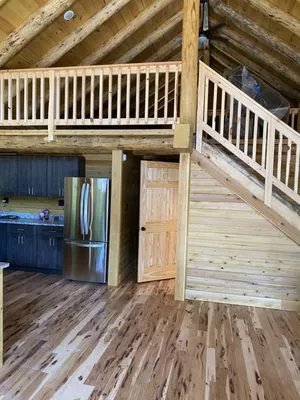
Adirondack Customs is a Riparius-based general contractor and custom builder founded in 2007 by Kevin and Kim Stonitsch. Starting as a one-person operation, the company has grown through reputation, f...
Empire State Lawn & Maintenance
Empire State Lawn & Maintenance LLC is a locally owned and operated lawn care and property maintenance business proudly serving North Bangor, NY, and the surrounding North Country community. We specia...
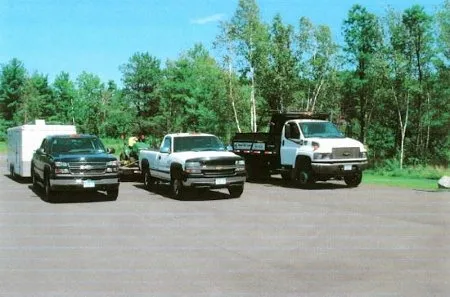
For over three decades, Rand Hill Lawns has been a trusted landscaping partner for homeowners and businesses across West Chazy and the wider North Country. Founded in 1986 with just a single mower, th...
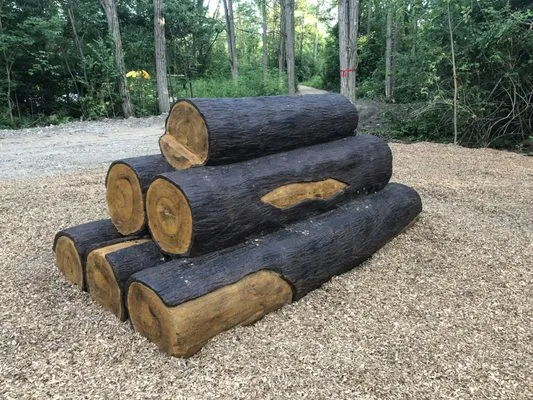
Northeast Irrigation and Landscape is a trusted Cadyville-based company focused on creating and maintaining functional, beautiful outdoor spaces for homes and businesses throughout the Lake Placid and...

D&E Total Clean Out is a trusted, locally-owned home services company serving the Saranac Lake community. We provide a comprehensive solution for homeowners, combining efficient junk removal and hauli...
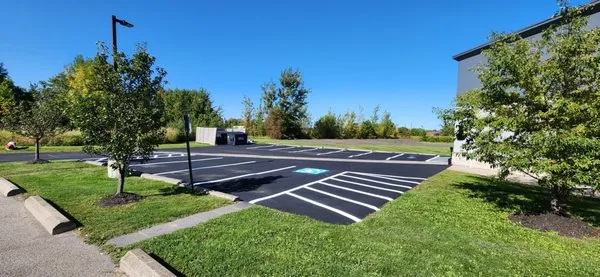
Seaway Valley Enterprises
Seaway Valley Enterprises is a family-owned and operated business in Dickinson Center, dedicated to serving the community with integrity and a strong work ethic. Our success is built on a foundation o...
Turf Tech is Potsdam's trusted local lawn care provider, specializing in solutions for the North Country's unique challenges. We understand that weed infestation and storm debris cleanup are persisten...
Estimated Landscaping Service Costs in Lake Placid, NY
Frequently Asked Questions
A major storm brought down limbs across my yard. What's your fastest response for an emergency cleanup to meet HOA requirements?
Our emergency storm response protocol is designed for HOA compliance and safety. For a property in Lake Placid Village Center, our crew would stage near Mirror Lake Beach and take NY-73 directly to your location, ensuring arrival within the 20-30 minute peak response window. We operate fully electric chippers and hauling equipment, which comply with local noise ordinances and allow for immediate work commencement upon arrival to clear debris and mitigate hazards.
I've spotted what looks like Japanese Knotweed. How do I deal with invasive species without harming Mirror Lake?
Early identification and correct treatment are vital. For invasive species like Japanese Knotweed, manual removal followed by a targeted, systemic herbicide applied by a licensed professional is often required. Critically, any treatment plan must adhere to the New York State Phosphorus Runoff Control Act, which prohibits fertilizer use on turf and mandates careful chemical application to protect the watershed. We develop integrated pest management plans that prioritize soil and water health.
With no water restrictions here, is a smart irrigation controller really necessary for my Kentucky Bluegrass lawn?
Even with an abundant watershed, precise water management is critical for turf health and conservation. A Smart Soil-Moisture Sensor (SMS) controller prevents overwatering, which is a primary cause of fungal disease in our cool, humid climate and promotes shallow root growth. By irrigating only when the soil moisture drops below a set threshold, the system maintains your grass mix's vigor while conserving municipal water and preventing nutrient leaching into the local basin.
For a new patio, is pressure-treated wood or local stone a better choice considering our winters and fire risk?
Local Adirondack granite or bluestone is superior for longevity and safety. While wood requires constant sealing and deteriorates, stone is virtually maintenance-free and withstands freeze-thaw cycles. Furthermore, in Lake Placid's Moderate Wildland-Urban Interface (WUI Zone 2), non-combustible hardscape materials like stone are recommended to create defensible space, a key factor in Fire Wise community compliance that wood cannot provide.
I'm tired of weekly mowing and gas blower noise. Are there lower-maintenance, eco-friendly landscape options?
Transitioning to a climate-adaptive landscape is the most effective strategy. Replacing high-input turf areas with native plantings like Joe-Pye Weed, Wild Columbine, and Blue Vervain creates a resilient, biodiverse habitat that requires no mowing, minimal water, and supports pollinators. This approach future-proofs your property against evolving noise ordinances targeting gas equipment and aligns with regional biodiversity goals, while providing year-round visual interest.
My yard turns into a spongy mess each spring and I get frost heave on my walkway. What's the best long-term fix?
This is a direct result of high seasonal saturation in our acidic sandy loam soils, which have limited percolation when the frost layer melts. The solution integrates subsurface and surface strategies. Installing a French drain system to intercept groundwater is key. For hardscapes, replacing impervious surfaces with permeable Adirondack granite or bluestone setts allows infiltration, reduces runoff, and meets Village of Lake Placid Code Enforcement standards for stormwater management.
I want to regrade my 0.35-acre lot to improve drainage. What permits and contractor credentials should I verify?
Any significant grading project requires proper oversight. You must obtain an Earth Disturbance Permit from the Village of Lake Placid Code Enforcement Office, as altering topography affects stormwater runoff patterns. Furthermore, ensure your contractor holds appropriate licensing through the New York State Department of State, as work of this scale on a residential property falls under regulated activities. Using an unlicensed operator can result in code violations and inadequate work that fails to solve the underlying drainage issue.
My Lake Placid Village Center lawn seems thin and struggles to hold water. Is this typical for the neighborhood?
Yes, this is a common condition for lots in the Village Center, largely due to the site's history and soil profile. With an average home construction date of 1967, the soil has had nearly 60 years of maturation but remains a naturally acidic Spodosol—a sandy loam with low organic matter. This soil type compacts easily and has poor water-holding capacity. To improve turf health and soil structure, a program of core aeration and top-dressing with compost is recommended to increase permeability and microbial activity.
