Top Landscaping Services in LaGrange, NY, 12540 | Compare & Call
There are 125 landscaping companies server in Lagrange NY
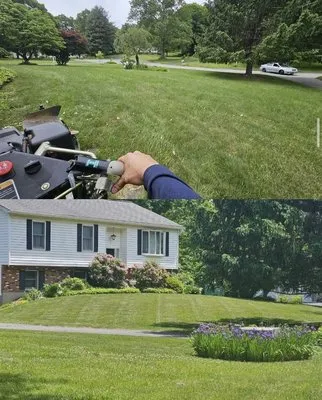
Hi, I'm Andres, a professional landscaper dedicated to the Dover Plains, NY area. My passion is working with the natural beauty of our local properties to create outdoor spaces that are both beautiful...
Hudson Valley Tree and Pest Solutions is a locally owned and operated business in Newburgh, NY, founded by a certified pesticide applicator and ISA-certified arborist with over a decade of experience....
Sunshine Landscaping is a dedicated, full-service landscaping company serving Highland, NY, and the surrounding Hudson Valley. We specialize in creating and maintaining beautiful, healthy outdoor spac...
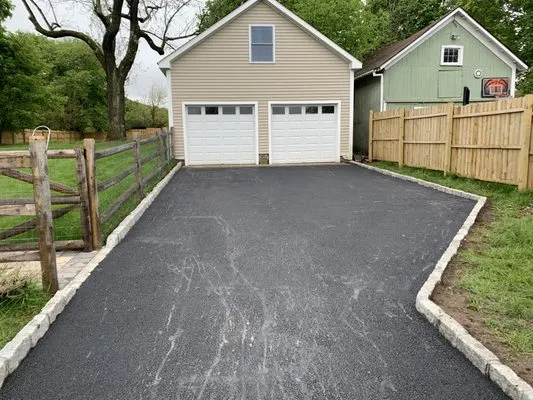
Tony Contruction & Landscaping
Tony Construction & Landscaping is a trusted, family-owned business serving the Stormville community since 2006. With a foundation of over 25 years of combined industry experience, Tony and his team b...
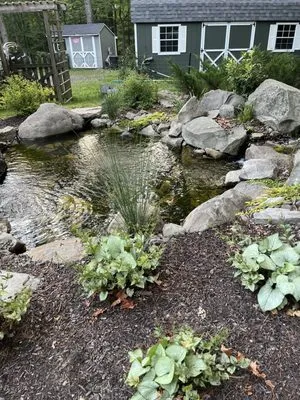
Go Green Outdoors
Go Green Outdoors is a family-owned landscaping company in Saugerties, NY, with over 60 years of combined experience. We specialize in landscape design, construction, and maintenance, serving Ulster, ...
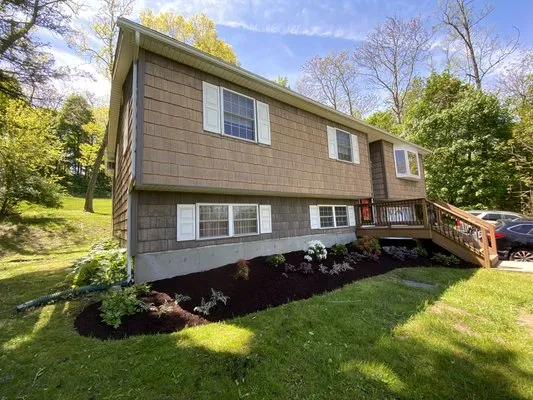
Black Diamond Landscaping in Hyde Park, NY, is a locally owned and operated landscaping company founded by James Black, who built the business on principles of reliability and clear communication afte...
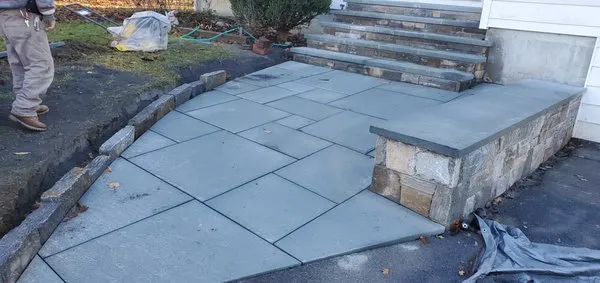
Melchor General Services is a locally owned and operated business proudly serving Dover Plains and the surrounding Dutchess County area. As a licensed and insured contractor, we specialize in providin...
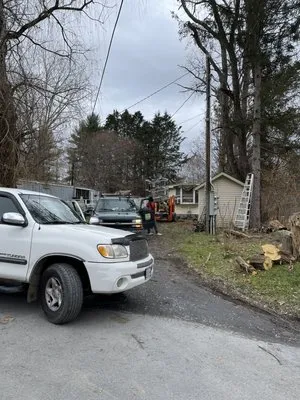
Moody’s Property Preservation Service
Moody’s Property Preservation Service is a family-owned business in Clinton Corners, NY, dedicated to helping homeowners maintain their properties with reliable, comprehensive services. We specialize ...
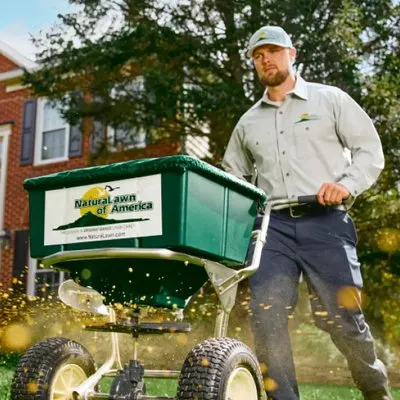
NaturaLawn of America in Wappingers Falls, NY, provides environmentally responsible lawn care services tailored to each property's unique needs. Unlike traditional one-size-fits-all chemical programs,...
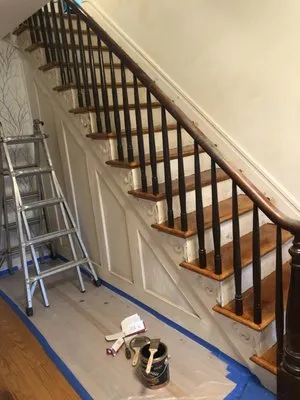
Day's Lawn and Handyman Services is your trusted local expert in Marlboro, NY, offering comprehensive solutions for both outdoor and indoor needs. We specialize in lawn care, handyman repairs, and ins...
Estimated Landscaping Service Costs in LaGrange, NY
Frequently Asked Questions
My lawn looks tired, and nothing seems to grow well. Is the soil just worn out?
LaGrange's Freedom Plains neighborhood features Dutchess-Cardigan silt loam, a soil common to lots built around 1981. With 45 years of compaction from foot traffic and standard mowing, the soil's natural percolation has degraded. This acidic soil, with a pH of 5.5-6.5, often becomes dense, restricting root growth and water infiltration. Core aeration and incorporating compost are not just beneficial but necessary to rebuild soil structure and biological activity for healthy plant life.
How can I keep my Kentucky Bluegrass lawn green during summer without violating water conservation rules?
Under LaGrange's voluntary conservation standards, smart Wi-Fi ET-based irrigation is critical. This system uses local weather data to apply water only when evapotranspiration rates indicate need, preventing overwatering. For a Fine Fescue and Bluegrass blend, this often means deeper, less frequent cycles that encourage drought-tolerant root growth. Proper programming can maintain turf health while reducing potable water use by 30-40% compared to traditional timer systems.
My yard stays soggy for days after rain. What's the most effective long-term solution?
Seasonal high water tables and poor infiltration are inherent to Dutchess-Cardigan silt loam. Correcting this requires addressing surface and subsurface flow. Installing a French drain system tied to a dry well can intercept groundwater, while regrading to direct surface runoff away from foundations is essential. Using permeable concrete pavers for patios or walkways increases site absorption, which helps meet the Town of LaGrange's stormwater runoff management standards.
We want to regrade part of our .75-acre lot to fix a drainage issue. Do we need a permit, and what should we look for in a contractor?
Yes, significant regrading on a lot this size typically requires a permit from the Town of LaGrange Building & Zoning Department. The contractor must hold appropriate licensing through the New York State Department of State - Division of Licensing Services. This ensures they understand legal setbacks, sediment control during construction, and final grade specifications to prevent diverting water onto neighboring properties, which is a common liability issue.
I see a fast-spreading vine taking over my flower beds. What is it, and how do I remove it safely?
In this region, invasive species like Oriental Bittersweet or Porcelain-berry are common alerts. Manual removal, including digging out the entire root system, is the first defense. For persistent regrowth, a targeted, systemic herbicide applied precisely to the foliage may be necessary; this must be done by a licensed professional to comply with New York State's Nutrient Runoff Law, which prohibits phosphorus and regulates application timing near waterways.
A major storm just knocked down several large limbs. How quickly can a crew get here for an emergency cleanup?
For urgent storm response, our standard dispatch time from Taft Elementary School to the Freedom Plains area via the Taconic State Parkway is 20-30 minutes during peak events. We prioritize safety hazards like blocked driveways or downed trees on structures. Crews are equipped to secure the site, clear access routes, and begin processing debris immediately upon arrival, coordinating with local utilities as needed.
We're replacing our old wooden deck. Is bluestone or permeable pavers a better choice for durability and safety?
Bluestone and permeable concrete pavers offer superior longevity and fire resistance compared to wood. In LaGrange's Moderate Wildland-Urban Interface rating, creating defensible space is advised. These non-combustible materials do not contribute fuel to a fire. Their inherent durability requires less maintenance over decades, and the permeability of specific paver systems manages runoff effectively, an important factor for local water table conditions.
I'm tired of weekly mowing and gas blower noise. Are there lower-maintenance, quieter landscape options?
Transitioning high-input turf areas to a native plant community is a forward-looking solution. Species like Common Milkweed, New England Aster, and Little Bluestem are adapted to Zone 6a, require no fertilization, and need minimal watering once established. This conversion reduces or eliminates the need for gas-powered mowing and blowing, aligning with local noise ordinances and creating a pollinator habitat that exceeds 2026 biodiversity benchmarks.
