Top Landscaping Services in Katonah, NY, 10536 | Compare & Call

Schilke Underground Irrigation is a locally owned and operated business that has been serving the Westchester, NY and Fairfield, CT communities since 1974. We are a licensed and fully insured team of ...
M & Z Treecare Landscaping Service's is a trusted, locally owned provider serving Katonah, NY, and the surrounding communities. Specializing in tree care and comprehensive landscape maintenance, they ...
Ferdy's Landscaping is a trusted, locally-owned landscaping company serving Katonah and surrounding Westchester communities. We specialize in creating and maintaining beautiful, healthy outdoor spaces...
Underhill Contracting is a trusted, full-service contracting and landscaping company serving Katonah and the surrounding Northern Westchester communities. We provide a comprehensive range of services ...

Joseph Calautti is a trusted landscaping professional serving Katonah, NY, and the surrounding communities. With deep local expertise, Joseph specializes in addressing common Westchester County yard c...
Ferdy's Landscaping is a trusted local provider serving Katonah, NY, and surrounding Westchester County communities. We specialize in year-round property care, from expert snow removal to comprehensiv...
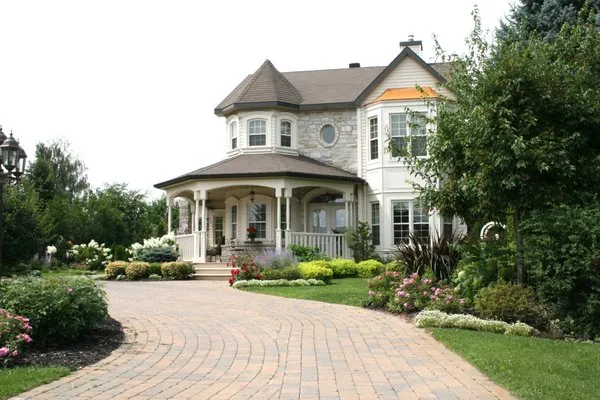
Cedar Hills Landscaping
Cedar Hills Landscaping is a family-owned and operated business that has been enhancing properties throughout Katonah and the greater Westchester area for over 30 years. As a fully licensed and insure...
Martino Landscape Contractors is a trusted local landscaping company serving Katonah, NY, and the surrounding areas. We specialize in addressing common residential landscaping challenges, such as patc...
Rosendo Mason & Contracting has been a trusted name in Katonah, NY, for over 20 years, providing reliable masonry, landscaping, and painting services to the local community. Founded on principles of p...
Semmens Associates, PC is a trusted law firm in Katonah, NY, specializing in property law and real estate matters. While not a landscaping company, our legal expertise directly addresses common local ...
FAQs
I want to reduce weekly mowing and noisy gas blower use. Are there good native plant options for Katonah?
Transitioning to a native plant community significantly reduces maintenance inputs. Species like Purple Coneflower, Wild Bergamot, and Little Bluestem are adapted to Zone 6b and our acidic soils, requiring no fertilization and minimal watering once established. This xeriscaping approach creates a resilient landscape that stays ahead of local noise ordinances restricting gas-powered equipment and supports regional biodiversity.
We have an urgent HOA compliance issue requiring immediate debris cleanup. What is your fastest dispatch time to Katonah Village Center?
For emergency or compliance cleanups, we can deploy a crew within 20-30 minutes during peak hours. Our dispatch routing originates near the Katonah Museum of Art, utilizing I-684 for the most efficient access to the Village Center. This timing accounts for standard traffic conditions and aligns with our protocol for rapid storm response, ensuring we meet critical deadlines.
With Katonah's Stage 1 water conservation in effect, how can I keep my Kentucky Bluegrass lawn healthy without wasting water?
Effective conservation relies on precision irrigation technology. A Wi-Fi ET-based controller automatically adjusts watering schedules using real-time evapotranspiration data from local weather stations. This system applies water only when the turfgrass blend actually needs it, preventing overwatering during rainy periods. This method maintains turf health while reducing consumption, keeping you well within voluntary municipal guidelines.
My yard has persistent soggy areas and runoff, especially in spring. What's the best long-term solution for a Katonah property?
Seasonal high water tables and poor percolation in glacial till soils create this common hazard. A graded French drain system can intercept and redirect subsurface water. For new hardscapes, specifying permeable installations of bluestone pavers increases surface infiltration. These solutions manage runoff on-site, which is a key consideration for compliance with the Town of Bedford Building Department's stormwater regulations.
We're considering a new patio. Is bluestone a durable choice compared to composite wood for our climate and fire risk?
Bluestone is superior for longevity and fire safety in our region. It withstands freeze-thaw cycles without rotting or warping, unlike wood. As a non-combustible material, it also contributes to defensible space in Katonah's Moderate Fire Wise zone, creating a crucial barrier between structures and potential wildfire fuel. Its natural appearance integrates well with the local aesthetic while providing permanent, low-risk structure.
We need significant regrading on our half-acre lot. What permits and contractor credentials are required in the Town of Bedford?
Regrading that alters drainage patterns or involves more than minimal earth movement requires a permit from the Town of Bedford Building Department. For a half-acre lot, the scale of work necessitates hiring a contractor licensed by the NY State Department of State Division of Licensing Services. This ensures they carry the required insurance and adhere to state codes for excavation, slope stability, and erosion control, protecting your property from liability.
My lawn in Katonah Village Center has compacted soil that doesn't absorb water well. Is this a common issue for older properties here?
It is a direct result of the soil's age and composition. Lots in this neighborhood, with homes averaging 77 years old, rest on acidic glacial till. This naturally dense, low-permeability soil has been compacted by decades of foot traffic and traditional maintenance, severely limiting root penetration and percolation. Core aeration and amendments like composted leaf mold are critical to address this legacy compaction and improve soil structure for healthy turf.
I've spotted what looks like Japanese Knotweed on my property. How should I handle it without breaking local fertilizer laws?
Japanese Knotweed is a high-priority invasive requiring immediate, professional management. Eradication involves targeted, systemic herbicide applications by a licensed applicator, not standard fertilizers. This specialized treatment must be timed outside of the NY State nutrient runoff law's restricted periods to prevent chemical movement into waterways. Correct identification and a multi-year management plan are essential for control.
