Top Landscaping Services in Johnson City, NY, 13790 | Compare & Call
There are 111 landscaping companies server in Johnson City NY
The Grounds Team is a trusted local lawn and gutter service provider in Johnson City, NY, specializing in comprehensive lawn care solutions. We understand the unique challenges homeowners face in our ...
Cutting Edge Lawn Maintenance is a locally owned and operated lawn care company serving the Binghamton, NY area. With over five years of experience, they provide reliable residential and commercial se...
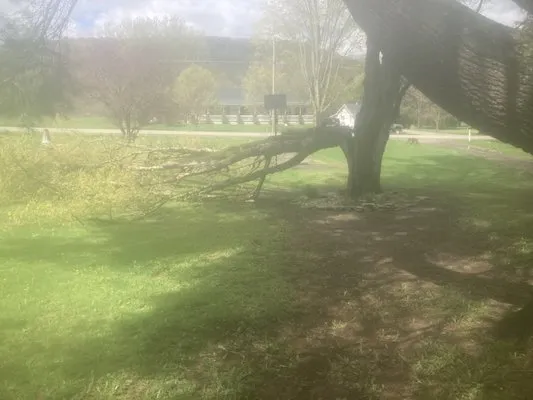
Ro Contracting & Landscaping is a full-service landscaping and contracting company serving homeowners and businesses in Berkshire, NY. We specialize in comprehensive solutions for common local landsca...
Broome Property Pros is a Binghamton-based company specializing in landscaping, junk removal, and moving services to help local homeowners maintain and improve their properties. We understand that Bin...
R C Lawncare & Landscaping is a Binghamton-based landscaping company dedicated to helping local homeowners maintain beautiful, healthy outdoor spaces. We understand that Binghamton residents often fac...

TEK-22 Tree Service is a trusted local provider in Binghamton, NY, offering comprehensive tree, lawn, and snow removal services. We help homeowners address common landscaping challenges like storm deb...
Noah & Sons is a trusted landscaping company serving Binghamton, NY, with decades of experience addressing the unique challenges of our local climate and soil conditions. We specialize in landscape ma...
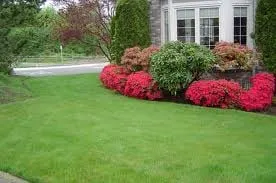
In Binghamton, maintaining a beautiful lawn and garden means tackling persistent local challenges like weed infestation and unruly mulch beds. A professional lawn care service here specializes in the ...
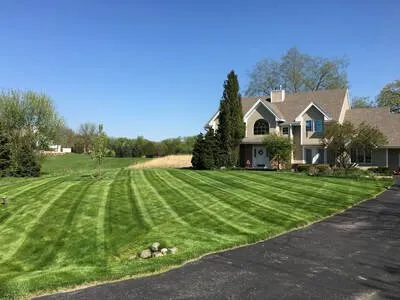
DCS Lawncare is a trusted local lawn service provider serving Kirkwood, NY, and surrounding areas. We specialize in comprehensive lawn care solutions designed to address common regional challenges lik...
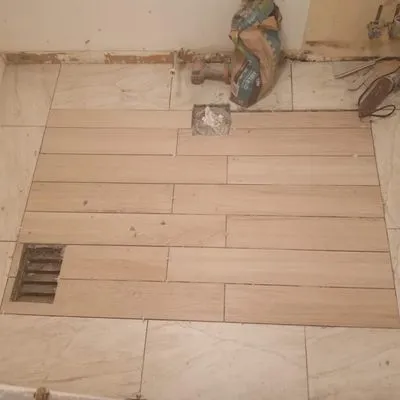
Howell's Helpin' Hands is a locally owned and operated handyman and lawn service business serving Endicott, NY. Founded in 2022 by owner Jason Howell, the company is built on a lifetime of hands-on ex...
Estimated Landscaping Service Costs in Johnson City, NY
Question Answers
What permits and licenses are needed for landscape grading?
Grading on 0.15-acre lots requires Johnson City Planning & Zoning Department permits for erosion control and drainage alterations. Contractors must hold New York State Department of State landscaping licenses with proper insurance coverage. Significant grade changes exceeding 12 inches may trigger additional engineering reviews. Professional licensing ensures compliance with state nutrient runoff laws and protects against liability issues.
How do I control invasive species without chemical runoff?
Japanese knotweed and garlic mustard pose significant threats in Johnson City's acidic soils. Manual removal during early growth stages prevents seed dispersal without violating New York State phosphorus bans. Targeted organic herbicides applied during dry periods minimize runoff into water tables. Regular monitoring and native plant competition create sustainable barriers against reinfestation throughout the growing season.
Why does my Highland Park lawn struggle despite regular care?
Johnson City lots in Highland Park average 75 years of development, creating compacted acidic silt loam soil with pH 6.2. This soil maturity reduces permeability and limits root oxygen access. Core aeration with organic compost amendments improves soil structure and microbial activity. Regular soil testing every 2-3 years maintains optimal conditions for Kentucky Bluegrass and Fine Fescue establishment.
How quickly can you respond to storm damage for HOA compliance?
Emergency cleanup crews dispatch from Johnson City Senior High School via NY-17/I-86, arriving within 20-30 minutes during peak conditions. We prioritize debris removal and safety hazard mitigation to meet neighborhood standards. Electric equipment operates within 8:00 AM-8:00 PM noise ordinance limits while addressing fallen branches and drainage issues. Documentation for insurance claims accompanies all rapid-response services.
Should I replace high-maintenance turf with native plants?
Transitioning to Eastern Redbud, Wild Bergamot, New England Aster, and Switchgrass reduces mowing frequency and aligns with 2026 biodiversity standards. Native plantings require 80% less water than traditional turf while providing habitat for pollinators. Electric maintenance equipment meets noise ordinance decibel limits for these plantings. This approach creates resilient landscapes that adapt to Johnson City's changing climate patterns.
Will smart irrigation keep my lawn healthy during dry periods?
Smart Wi-Fi soil moisture sensors prevent overwatering by tracking real-time ET rates and soil conditions. These systems maintain Kentucky Bluegrass and Fine Fescue within municipal conservation guidelines without restrictions. Programming adjusts for Johnson City's USDA Zone 5b precipitation patterns, typically reducing water use 30-40% compared to traditional timers. Regular sensor calibration ensures accurate moisture readings throughout the growing season.
Are bluestone pavers better than wood for patio longevity?
Bluestone pavers offer 50+ year durability compared to wood's 15-20 year lifespan in Johnson City's freeze-thaw cycles. Their non-combustible nature supports Low Fire Wise ratings in urban interface zones. Proper installation with polymeric sand joints prevents weed growth and maintains structural integrity. Bluestone's natural thermal mass reduces heat island effect while providing defensible space around structures.
What solutions address seasonal runoff in my yard?
Acidic silt loam's moderate permeability requires strategic drainage for seasonal high water tables. Permeable bluestone paver installations with gravel bases increase infiltration rates 50-70% compared to solid surfaces. Dry wells and French drains redirect runoff from foundation areas while meeting Johnson City Planning & Zoning Department standards. Grading adjustments of 2% slope away from structures prevent water accumulation during spring thaw periods.
