Top Landscaping Services in Ithaca, NY, 14850 | Compare & Call
There are 84 landscaping companies server in Ithaca NY
Level Green Landscaping has been serving Ithaca and Central New York for decades, providing comprehensive residential and commercial landscaping solutions. Our team specializes in landscape design, in...
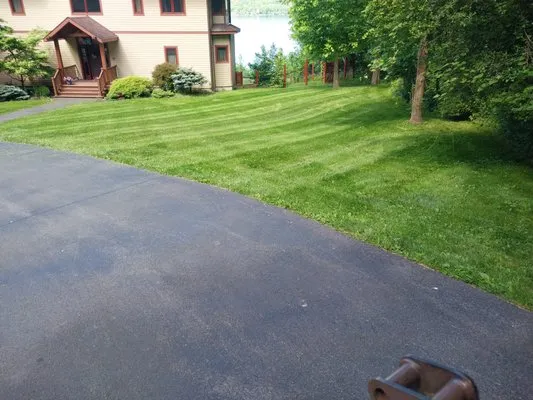
Chambers Landscaping has been serving Ithaca, NY for over 20 years, providing reliable and skilled landscaping services for both homeowners and commercial clients. With a mission to make every yard lo...
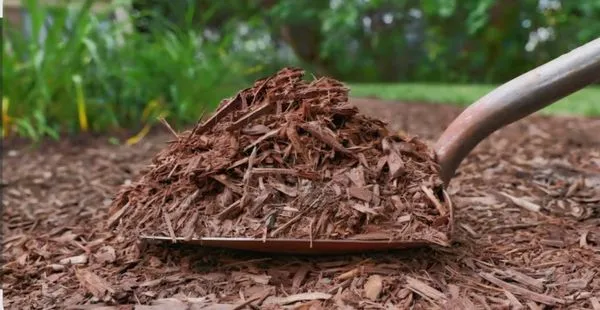
Needs Landscaping is a trusted Ithaca, NY landscaping company dedicated to solving common local yard challenges like patchy lawns and standing water. We specialize in comprehensive earthmoving and reg...
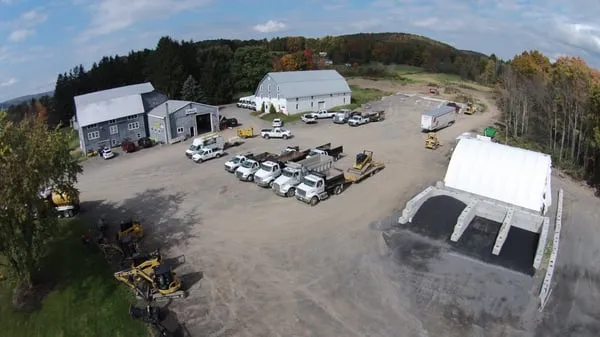
Carson, Irrigation ,Lighting and Groundworks
Carson Groundworks is a licensed excavation and landscaping company in Ithaca, NY, founded by John Carson, a Professional Engineer with over 25 years of experience. John holds a Mechanical Engineering...

B-N-R Landscaping Inc. has been serving the Trumansburg community and the greater Finger Lakes region since 1992, offering reliable landscaping, snow removal, and tree care services. We work with both...
Steen Clean is a trusted Ithaca-based company providing comprehensive office cleaning, lawn services, and gutter services to both commercial clients and local homeowners. We specialize in commercial d...
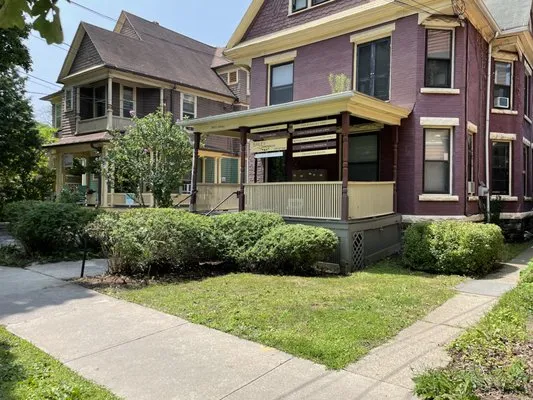
At All Corners Covered, we provide comprehensive landscaping services tailored for Groton residents and businesses. From initial design to ongoing maintenance, our team handles everything from earthmo...
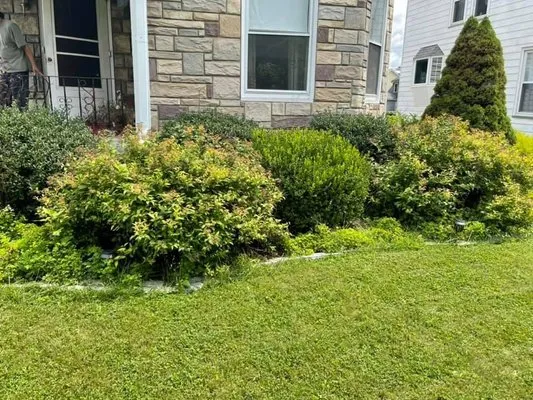
B&H Hauling is a locally-owned and operated business serving Elmira, NY, with over 12 years of experience in junk removal, hauling, landscaping, and gutter services. We specialize in a wide range of s...
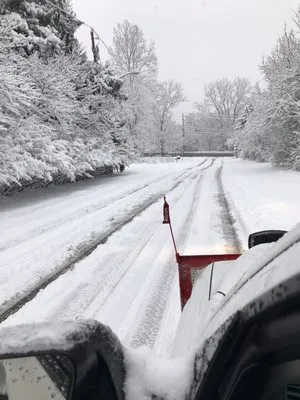
Jason Greenman Plowing and Lawn Mowing is a trusted local service provider in Ithaca, NY, specializing in both snow removal and comprehensive lawn care. For Ithaca homeowners dealing with common lands...
Rick Manning Landscape is a trusted landscaping company serving Ithaca, NY, and the surrounding Finger Lakes region. We specialize in comprehensive landscape maintenance and irrigation solutions tailo...
Estimated Landscaping Service Costs in Ithaca, NY
Common Questions
Are bluestone patios a good choice here, or should I use composite decking?
Bluestone and permeable concrete pavers are superior for longevity and function in our climate. They offer exceptional durability against freeze-thaw cycles and require no sealing or staining. Unlike wood or composite, they do not combust, contributing to the defensible space recommended even in our Low Fire Wise rating zone. Their inherent permeability also directly mitigates the local drainage hazard, making them a technically sound investment.
Why does my soil in Fall Creek seem so compacted and hard to work with?
Homes built around 1977, typical for the area, have soils with nearly five decades of development. In Fall Creek, the native Dystric Eutrudepts, a glacial till soil, naturally compacts over time, restricting root growth and water percolation. The pH of 6.2-6.8 is suitable, but the primary issue is physical structure. Annual core aeration and incorporating composted organic matter are critical to rebuilding porosity and microbial activity in this mature landscape.
I'm tired of weekly mowing. What's a lower-maintenance, eco-friendly alternative?
Transitioning perimeter zones to a native plant meadow drastically reduces input. Species like Common Milkweed, Wild Bergamot, and New England Aster are adapted to Zone 6a, require no fertilization, and support local pollinators. This shift eliminates weekly mowing and gas-blower use, aligning with the city's push for quieter, electric equipment. It also creates a resilient, biodiverse landscape that manages water more effectively than turf.
My yard turns into a swamp every spring. What's a long-term fix?
Seasonal saturation is a hallmark of our glacial till soils. The solution combines subsurface and surface strategies. Installing French drains or dry wells addresses subsurface water, while regrading to direct surface flow is key. For any new patios or walkways, specifying permeable concrete pavers or bluestone set on a gravel base increases infiltration, meeting Ithaca Building Department standards for managing runoff on-site.
How quickly can a crew arrive for an urgent storm cleanup to avoid HOA fines?
For emergency compliance, a dispatch from our central hub near the Cornell Botanic Gardens allows a route via NY-13 into Fall Creek. Accounting for debris on local roads, a targeted arrival window of 20-30 minutes during peak response is standard. We prioritize electric equipment for quiet operation within the 7am-9pm weekday noise ordinance, ensuring immediate, compliant remediation.
Is it possible to keep a green lawn in Ithaca without wasting water or breaking rules?
Yes, with precise management. While Stage 0 indicates no active restrictions, conserving potable water is a municipal priority. A Smart Wi-Fi Soil Moisture Sensor controller is essential, providing ET-based irrigation that waters only when the Kentucky Bluegrass and Fine Fescue mix truly needs it. This technology prevents over-saturation, which is critical in our high-clay soils, and keeps usage well within sustainable limits.
Do I need a permit to regrade my yard or install a new patio?
Yes, most permanent alterations require review. The Ithaca Building Department regulates grading that changes water flow and any hardscape over a certain square footage. For a 0.15-acre lot, precise engineering can be crucial. Furthermore, any contractor performing this work must hold appropriate licensing through the New York State Department of State, Division of Licensing Services, ensuring they carry required insurance and adhere to state codes.
What invasive species should I watch for, and how do I remove them safely?
Be vigilant for Japanese Knotweed, Garlic Mustard, and Tree-of-Heaven. Manual removal for young plants is effective. For established perennials, targeted, systemic herbicide applied by a licensed professional in late summer is often necessary. Any treatment plan must strictly avoid phosphorus-containing products to comply with New York State's runoff law, and timing should consider pollinator activity to minimize ecological impact.
