Top Landscaping Services in Hurley, NY, 12401 | Compare & Call
There are 177 landscaping companies server in Hurley NY

A.M.J Landscaping is a family-owned lawn care business serving Lagrangeville, NY, with over 11 years of local experience. We focus on providing accurate, on-time services with a friendly, personal tou...
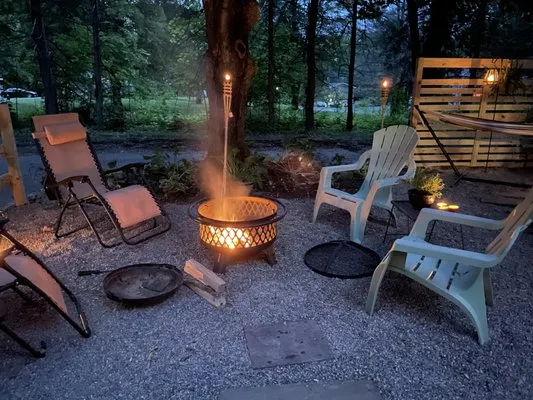
Nargi Landscaping is a family-owned business serving Poughkeepsie and Dutchess County since 2016. We specialize in comprehensive landscape design and construction, from custom patios and retaining wal...

EK Property Maintenance is a trusted local provider in Hudson Valley, NY, specializing in snow removal and lawn services to keep properties safe and beautiful year-round. We address common local lands...
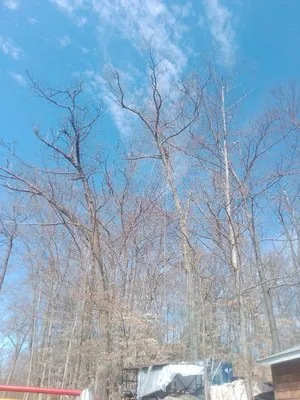
D A P Landscaping is your trusted, full-service landscaping partner in Patterson, NY. We provide comprehensive solutions for homeowners facing common local challenges like overgrown shrubs and unsight...
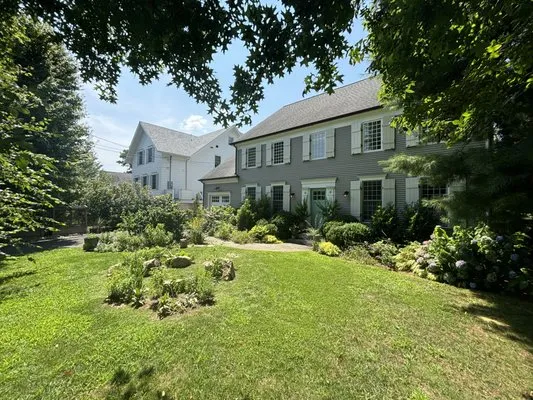
Perception Horticulture in Carmel Hamlet, NY is led by licensed Horticulturalist Josephine Gasperi-Russinko, a botanical propagation and taxonomy specialist whose work has been featured in publication...
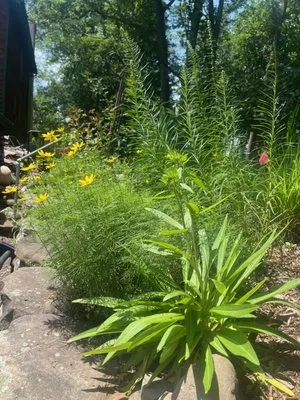
Love Grows Here Gardening
Love Grows Here Gardening is a Fishkill-based gardening and landscaping service dedicated to ecological practices and the power of native plants. Our core belief is that a beautiful outdoor space shou...
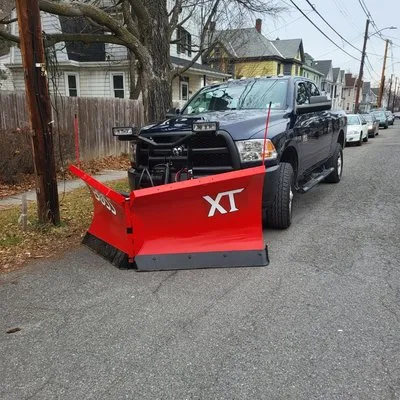
Matthew Landscaping is your trusted local partner for a healthy, beautiful property in Kingston, NY. We understand that Hudson Valley homes face specific challenges, from tree roots damaging lawns to ...
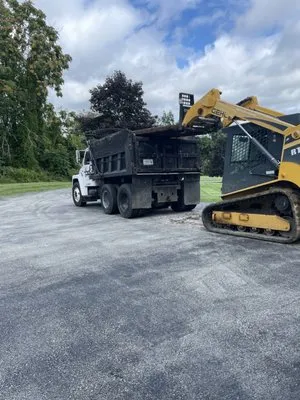
Since 2010, Dirty Gloves has been the Hyde Park community's go-to for property maintenance and junk removal. As the owner, I'm hands-on with every job, bringing over 15 years of experience and a commi...
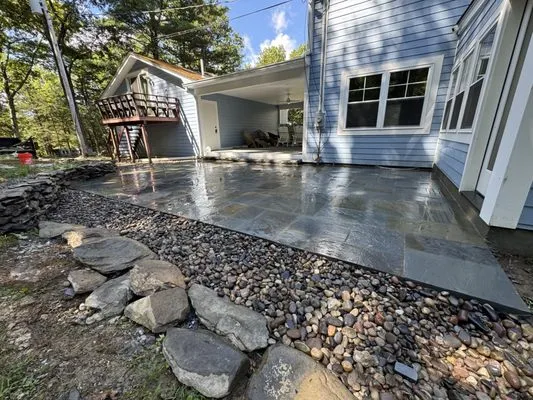
Cruger Contracting LLC is a locally-owned and operated landscaping, masonry, and excavation contractor based in Poughkeepsie, serving Dutchess County and the Hudson Valley. Founded by James Cruger, wh...

Scotts Handyman And Landscaping Services brings over 15 years of professional experience to Kerhonkson homeowners. Owner Scott began learning the trade at age 12 in 1992, working with family businesse...
Estimated Landscaping Service Costs in Hurley, NY
FAQs
We've spotted invasive vines and want to treat them safely. What are the rules?
Common invasive alerts here include Japanese Knotweed and Oriental Bittersweet. Treatment must comply with the New York State Non-Agricultural Fertilizer Law, which restricts phosphorus and mandates specific application windows to protect watersheds. We use targeted, organic-compliant herbicide applications during the regulated growing season, followed by immediate replanting with native species to outcompete returning weeds. This method avoids ordinance blackout dates and prevents soil contamination.
We need an emergency cleanup before a neighborhood event. What's your fastest response for compliance?
For urgent HOA or event compliance, we dispatch from our staging near the Hurley Heritage Society Museum. Using US-209, our peak storm response time to the historic district is 25-30 minutes. Our initial protocol focuses on safety debris removal and visible turf rectification to meet immediate standards. We coordinate this rapid response within the Town of Hurley's permitted hours for equipment operation to ensure full compliance upon arrival.
What permits and credentials should we verify for major grading or landscaping work on our three-quarter-acre lot?
Any significant grading that alters drainage patterns requires a permit from the Town of Hurley Building Department. For the work itself, New York State law mandates that contractors performing landscaping on properties of this scale hold the appropriate Home Improvement license through the NYS Department of State Division of Licensing Services. Verifying this license protects you, as it ensures the contractor carries required insurance and is bonded, which is essential for managing the complexities of soil and water on a 0.75-acre parcel.
We want to reduce mowing and gas equipment noise. What are the best low-maintenance alternatives?
Transitioning high-input turf areas to a native plant community is the most effective long-term strategy. A matrix of Switchgrass, with clusters of Eastern Redbud, Joe Pye Weed, and New England Aster, provides year-round interest with minimal water and no weekly mowing. This approach significantly reduces reliance on gas-powered equipment, future-proofing your landscape against tightening noise ordinances and aligning with 2026 biodiversity and resilience goals.
How can we keep our lawn healthy while following water conservation guidelines?
Despite no formal restrictions, voluntary conservation is critical. We install smart Wi-Fi soil moisture sensor controllers that schedule irrigation based on real-time evapotranspiration (ET) data and local rainfall. This technology prevents overwatering, which is detrimental to both Kentucky Bluegrass and the high seasonal water table. It delivers water only when and where the acidic silt loam truly needs it, optimizing turf health within sustainable municipal water limits.
Our yard is soggy in spring and heaves in winter. What's the cause and a lasting solution?
This is a classic symptom of the area's high seasonal water table combined with frost heave in silt loam soils. Surface water cannot percolate through compacted layers. A solution involves creating a shallow, permeable infiltration basin or dry creek bed edged with native plants. Using locally sourced bluestone pavers for any adjacent paths increases surface permeability, helping manage runoff to meet Town of Hurley Building Department standards for water diversion.
Our yard is over 60 years old. Why does the soil seem so compacted, and what should we do about it?
Homes built around 1958, like many in the Old Hurley Historic District, have soil that has matured for nearly 70 years without significant intervention. The prevalent acidic silt loam naturally compacts over decades, especially under foot traffic and traditional mowing. This reduces soil percolation and oxygen for roots. We recommend a core aeration in early fall, followed by a top-dressing of compost to improve soil structure and microbial activity, directly addressing the inherent compaction of established lots.
Is bluestone or wood better for a new patio that's also fire-safe?
For longevity and fire safety in Hurley's Moderate Wildland-Urban Interface rating, bluestone is superior. It is a non-combustible, durable natural stone that requires no sealing or replacement, unlike wood which decays and fuels embers. When installed with permeable joints, bluestone pavers contribute to defensible space by creating a firebreak. This material choice supports both landscape aesthetics and critical home ignition zone principles outlined in Firewise USA guidelines.
