Top Landscaping Services in Huntington, NY, 11721 | Compare & Call
There are 216 landscaping companies server in Huntington NY
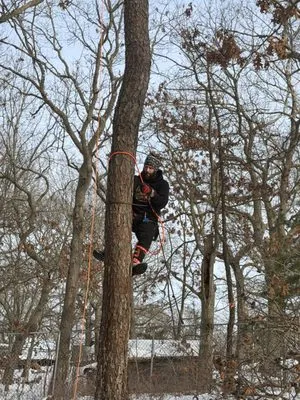
Brunneus & Son is a family-owned and operated tree care and property maintenance company proudly serving Shirley and the surrounding communities. Founded by Graham, who first climbed a tree profession...
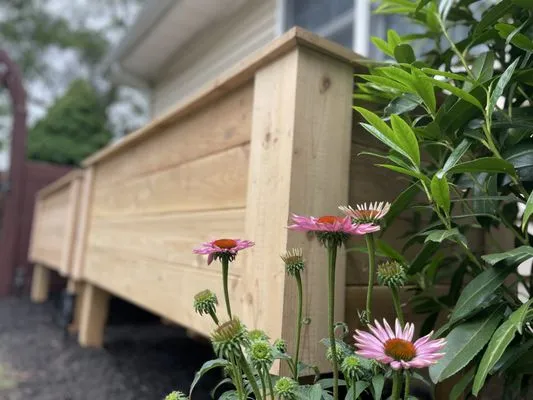
The Rebel Gardener
The Rebel Gardener in Islip Terrace, NY, brings a unique blend of science and artistry to Long Island's landscapes. With over 20 years of dedicated horticulture experience and a deep background in env...
Kelly Brothers Landscaping has been a trusted name on Long Island since 1978, growing from a local lawn care service into a comprehensive, environmentally conscious landscape design and build company....
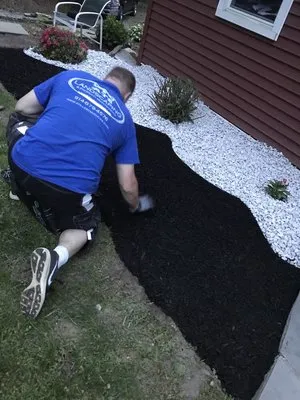
ATS Landscaping & Property Maintenance is a family-owned business in Carmel, NY, built on a simple idea: one call should handle it all. What began as a small operation with two people has grown into a...
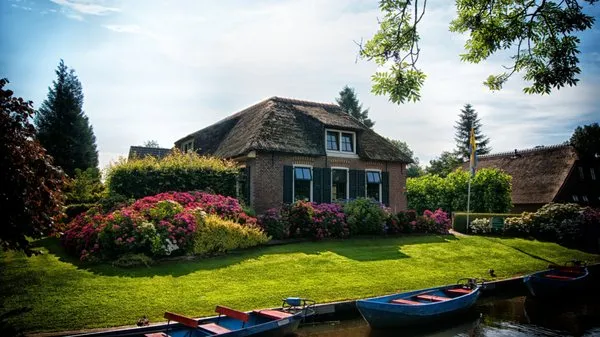
Hi, I'm the owner of J A Landscaping. We started this business in Lynbrook back in 2016 with a simple mission: to provide reliable, expert care for your property at a fair price. We specialize in the ...
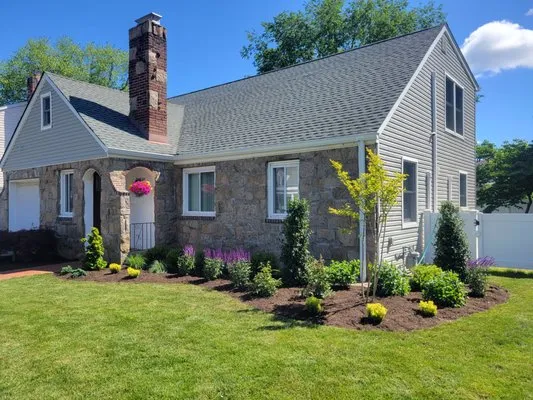
Louis Zaino is a trusted, full-service landscaping company serving Westbury, NY. We specialize in transforming and maintaining residential and commercial properties with a comprehensive range of servi...
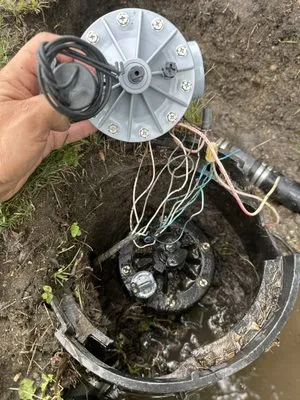
GreenFlow in Roosevelt, NY, specializes in creating and maintaining beautiful, functional outdoor spaces for homes and businesses across Long Island. We provide comprehensive irrigation, landscaping, ...
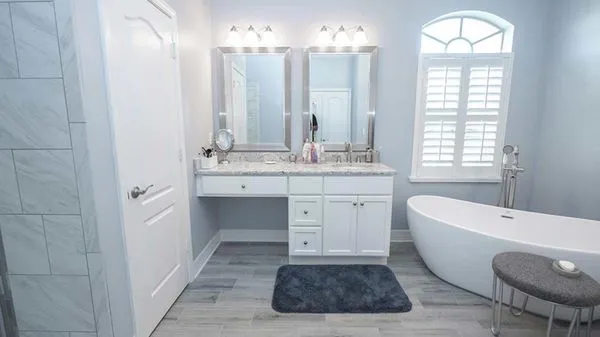
For over two decades, Cruz Canas Landscaping and Remodeling Corp has been a trusted partner for homeowners in Huntington Station and surrounding communities. Founded in 2003, our locally-owned and ope...

Port Jefferson
Port Jefferson is a licensed and insured landscaping and construction company serving Nassau and Suffolk counties on Long Island, NY. We specialize in comprehensive landscape design, installation, and...
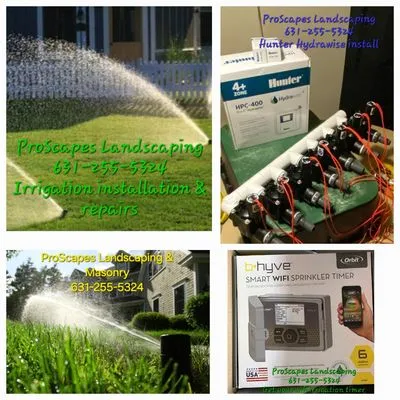
Proscapes Landscaping is a family-owned business with deep roots in East Patchogue and Suffolk County, founded by master gardener Hugo in 1969. Now under the leadership of his daughter, a horticulture...
Estimated Landscaping Service Costs in Huntington, NY
Common Questions
What permits and licenses are required for grading and drainage work on our quarter-acre lot?
Grading projects on 0.25-acre lots require Town of Huntington Department of Planning and Environment permits for earth moving exceeding 50 cubic yards. Contractors must hold Suffolk County Department of Labor, Licensing & Consumer Affairs landscaping licenses with proper insurance coverage. Professional engineers should review designs when modifying drainage patterns or creating retaining walls over 24 inches. These regulations ensure proper stormwater management and prevent neighborhood drainage issues while protecting property values.
Our yard has seasonal flooding issues - what drainage solutions work with Huntington's sandy loam soil?
Moderate runoff in acidic sandy loam requires subsurface French drains with clean stone aggregate to manage seasonal high water tables. Bluestone pavers installed with permeable joints meet Town of Huntington Department of Planning and Environment runoff standards by allowing infiltration. We design grading with 2% minimum slope away from structures, incorporating rain gardens with Switchgrass and Joe-Pye Weed to absorb excess moisture while supporting local biodiversity.
We need emergency storm cleanup to meet HOA compliance deadlines - how quickly can you respond?
Emergency response from our Heckscher Park dispatch follows NY-25A to Huntington Village with 20-30 minute arrival during peak conditions. Our electric maintenance fleet operates within noise ordinance restrictions while providing immediate debris removal. We prioritize safety assessments before clearing fallen limbs and restoring property access, documenting all work for HOA compliance verification.
Our Huntington Village home was built in the 1950s - what should I know about the soil after 70 years?
Homes built around 1956 in Huntington Village have soil that has matured for 70 years. Acidic sandy loam with pH 5.5-6.5 develops compaction layers from decades of foot traffic and conventional maintenance. This soil type requires annual core aeration to improve permeability and organic amendments like composted leaf mold to enhance water retention. Without intervention, the soil profile restricts root development for both turf and ornamental plantings.
How do we maintain healthy turf during Stage 1 water restrictions in Huntington?
Wi-Fi ET-based weather sensing irrigation calculates evapotranspiration rates to deliver precise water volumes. This technology preserves Kentucky Bluegrass and Fine Fescue blends while staying within voluntary conservation limits. The system automatically adjusts for rainfall and humidity, typically reducing municipal water use by 30-40% compared to traditional timers. Properly calibrated ET systems maintain turf health even during dry periods without violating conservation guidelines.
Can we reduce lawn maintenance while preparing for stricter noise ordinances?
Replacing high-maintenance turf with native plantings like Eastern Redbud, Highbush Blueberry, and Little Bluestem creates low-input landscapes. These species require minimal watering once established and eliminate weekly mowing needs. The transition reduces gas-powered equipment use ahead of potential noise ordinance tightening, while supporting 2026 biodiversity standards through habitat creation. Native plant communities also improve soil health through deeper root systems and natural nutrient cycling.
Should we choose bluestone or wood for our new patio considering longevity and fire safety?
Bluestone pavers offer superior longevity with minimal maintenance compared to wood decking that requires annual treatment. In Huntington's Low Fire Wise Rating urban-suburban environment, bluestone provides non-combustible defensible space without compromising aesthetics. Properly installed bluestone lasts 50+ years with occasional joint sand replenishment, while wood structures typically need replacement within 15-20 years. The stone's thermal mass also moderates temperature extremes in outdoor living spaces.
What invasive species threaten Huntington gardens, and how do we treat them during fertilizer blackout periods?
Japanese knotweed and mile-a-minute vine present significant risks in USDA Zone 7b. Mechanical removal before seed set avoids Suffolk County Nitrogen Reduction Law restrictions from November through April. For persistent infestations, targeted glyphosate applications in late summer followed by native groundcover establishment prevent regrowth. Always verify treatment timing with the Suffolk County Department of Agriculture to ensure compliance with seasonal prohibitions while protecting soil and water quality.
