Top Landscaping Services in Huntington Station, NY, 11743 | Compare & Call
There are 210 landscaping companies server in Huntington Station NY
Varello Landscaping has been a trusted name in Kings Park since 1998, starting with residential properties and expanding over 15 years to serve HOA and commercial clients with expert landscaping servi...
Fassinating Landscaping is a trusted, locally-owned landscaping service dedicated to enhancing Greenlawn's outdoor spaces. We specialize in creating and maintaining vibrant, resilient lawns and stable...
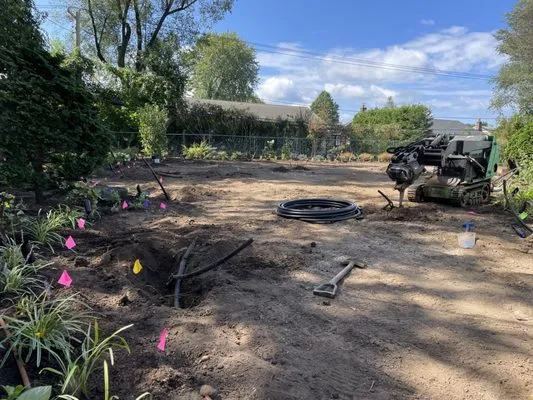
Trees and Bricks Landscaping
Trees and Bricks Landscaping is a Huntington Station-based company with 15 years of experience in landscaping and masonry design, serving Long Island and surrounding areas. We specialize in creating a...
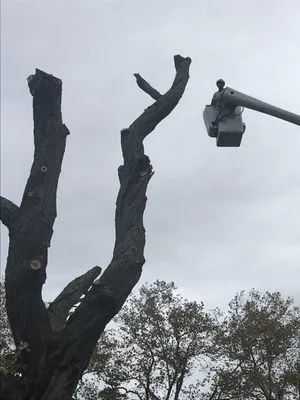
Clovis Axion in Stony Brook, NY, is a locally owned and operated tree service and landscaping company with over 25 years of experience serving Long Island communities. Founded by Jim Docherty, an ISA ...
Giglio Landscaping Service
Giglio Landscaping Service in Dix Hills, NY, provides comprehensive landscaping and tree care solutions tailored to local homeowners' needs. Specializing in landscape design, maintenance, greenscape d...
R A Green Care Landscaping
R A Green Care Landscaping is a trusted, full-service provider for homeowners in Huntington Station, NY. We specialize in comprehensive landscape design, year-round lawn care, and reliable snow remova...
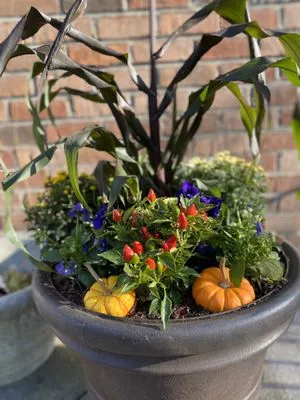
McCutchan Landscaping & Irrigation
For over 15 years, McCutchan Landscaping & Irrigation has been a trusted, family-owned Westbury business dedicated to transforming outdoor spaces. We combine honest communication with reliable craftsm...
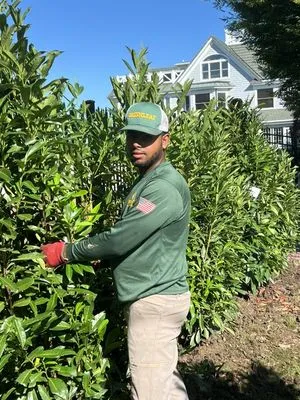
Fernandez Landscape is built on a foundation of quality, clear communication, and deep-rooted local expertise. My approach is shaped by over 15 years of hands-on experience, including a decade of dedi...
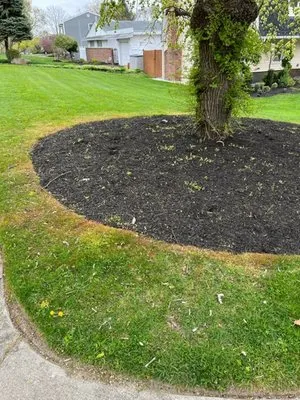
Diamond Cut Landscaping
Diamond Cut Landscaping is a family-owned and operated business that has been proudly serving the Kings Park community and surrounding areas since 1988. For over three decades, our focus has been on h...
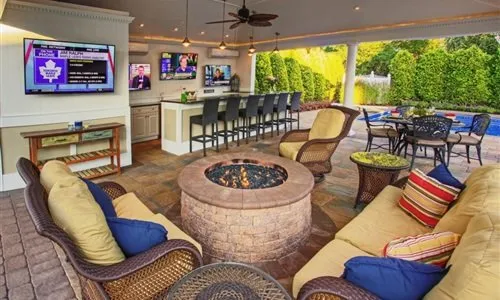
Paul LI Landscaping
Paul's LI Landscaping is your trusted Deer Park partner for comprehensive outdoor projects. Owned and operated by Paul, our company is built on a foundation of professionalism and quality, delivering ...
Estimated Landscaping Service Costs in Huntington Station, NY
Q&A
If a storm downs a tree branch, how quickly can a crew get here for an emergency cleanup?
For urgent situations like storm debris blocking a driveway, our standard peak response time is 20-30 minutes. Crews are dispatched from a central location near the Huntington LIRR Station, utilizing NY-110 (Broadhollow Road) for direct access throughout Huntington Station. This routing is optimized to navigate typical traffic, ensuring compliance with immediate HOA or safety hazard requirements. All equipment is maintained on-site for rapid deployment.
Why is proper licensing so important for landscaping and grading work on my property?
Significant grading or earthwork on a 0.22-acre lot alters drainage patterns, which falls under the jurisdiction of the Town of Huntington Department of Planning and Environment. Contractors must hold specific licensing from the Suffolk County Department of Labor, Licensing and Consumer Affairs, which ensures they carry adequate insurance and understand local codes. Unlicensed work can lead to improper grading that causes off-site flooding, resulting in costly fines and remediation orders from the town.
Is bluestone or a wood deck better for a new patio in terms of longevity and safety?
Bluestone or concrete pavers are superior for longevity and align with low fire-risk planning. While wood requires constant sealing and deteriorates, bluestone is durable, frost-heave resistant, and requires minimal maintenance. In our low Fire Wise rating context, non-combustible hardscape materials like stone also contribute to defensible space by creating a firebreak. This is a prudent design choice that adds permanent value without the decay or fuel hazards associated with wooden structures.
My lawn seems thin and struggles to hold water, even with regular care. Is this just the soil here?
This is a common issue in Huntington Station Core, directly related to the age and type of your soil. With original construction averaging around 1959, the soil profile on your 0.22-acre lot is approximately 67 years old. Over decades, the naturally acidic sandy loam has become compacted from standard maintenance and lacks mature organic matter. This compaction reduces soil percolation, causing water to run off rather than infiltrate. Core aeration and amending with composted leaf mold are essential to rebuild soil structure and increase water retention.
Water pools near my foundation after heavy rain, but my soil seems sandy. What's happening?
Your acidic sandy loam has high permeability, but surface compaction and improper grading can create moderate runoff issues. Water sheets across the hardened top layer instead of infiltrating. The solution involves regrading to direct water away from structures and incorporating permeable hardscaping like concrete pavers with gravel joints. These systems meet the Town of Huntington Department of Planning and Environment's runoff standards by allowing water to percolate into the ground, recharging groundwater rather than overwhelming storm drains.
How can I keep my Kentucky Bluegrass lawn healthy during summer without wasting water?
Under the Town's Stage 1 voluntary conservation, efficient watering is paramount. EPA WaterSense Certified Smart Controllers are programmed using local evapotranspiration (ET) data, which calculates precise water needs based on weather. This technology applies water only when and where your Fine Fescue blend requires it, preventing over-saturation of the sandy subsoil. This method sustains turf health while keeping your usage well within recommended municipal limits, even during drier periods.
I'm tired of weekly mowing and gas blower noise. Are there lower-maintenance options?
Absolutely. Transitioning sections of high-input turf to a palette of Long Island natives like Eastern Redbud, Switchgrass, Butterfly Weed, and New England Aster drastically reduces maintenance. These plants are adapted to local Zone 7b conditions and require no supplemental fertilizer, minimal watering once established, and no weekly mowing. This shift also future-proofs your property against evolving local ordinances, such as the seasonal restriction on gas-powered leaf blowers from May 15 to September 15.
What are the most aggressive weeds here, and how do I deal with them organically?
In this area, invasive species alerts commonly include Japanese Knotweed and Mugwort, which thrive in disturbed soils. Safe, effective treatment starts with proper identification and timing. Manual removal or targeted organic herbicide application must be planned around the New York State Fertilizer Law's blackout dates, which prohibit nitrogen applications between December 1 and April 1. Building soil health with organic amendments is the long-term strategy, as healthy, dense plantings outcompete invaders.
