Top Landscaping Services in Hornellsville, NY, 14804 | Compare & Call

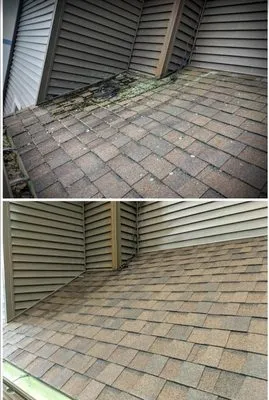
Chris, the owner of G&C Lawn Care And Pressure Washing, brings nearly two decades of hands-on experience to Hornellsville. His journey in the industry began over 15 years ago, working for a local lawn...
Frequently Asked Questions
Our backyard becomes a soggy mess every spring. What are our options for better drainage?
Seasonal high water tables and poor infiltration are common in Hornellsville's silt loam soils. Solutions begin with regrading to create subtle positive slope away from foundations, followed by installing French drains or dry wells to capture and slowly disperse subsurface water. For new hardscapes, specifying permeable jointing sand between bluestone or concrete pavers increases surface infiltration. Any significant regrading or drainage structure installation on a 0.35-acre lot requires review by the Town of Hornellsville Code Enforcement Office to ensure compliance with stormwater runoff standards.
We're adding a patio. Is bluestone a better long-term choice than a wooden deck here?
In Hornellsville's climate, inorganic materials like bluestone or concrete pavers offer superior longevity and lower lifetime maintenance compared to wood. Bluestone is highly durable against freeze-thaw cycles common in Zone 5b and does not require sealing or replacement due to rot. From a fire mitigation perspective, a non-combustible hardscape adjacent to the home contributes directly to defensible space, supporting the community's Moderate Firewise rating. The initial cost is offset by decades of service with minimal upkeep.
An invasive vine is taking over our hedges. How do we remove it without harming everything else?
For invasive species like Japanese Knotweed or Oriental Bittersweet, precise foliar application of a glyphosate-based herbicide in late summer is most effective, directly targeting the plant's root system. This timing avoids conflict with NY's Nutrient Runoff Law, which prohibits phosphorus-containing fertilizers but does not govern registered herbicide use for invasive control. Manual removal is often insufficient for established rhizomes. Always identify the species first, as treatment protocols vary, and consider a licensed applicator for large infestations to ensure safe, contained management.
Our neighborhood has mature trees but the lawn always looks tired. Could our soil be depleted?
Properties in the Arkport-Hornellsville Corridor, with an average construction date of 1958, have soils approximately 68 years in development. The prevalent acidic silt loam naturally compacts over decades, restricting root oxygen and water percolation. This compaction is the primary cause of turfgrass stress, not nutrient depletion. Annual core aeration paired with a top-dressing of composted leaf mulch directly addresses the low permeability, revitalizing soil structure without immediately altering the native pH of 5.8-6.5.
We're tired of weekly mowing and gas equipment noise. Are there lower-maintenance alternatives to grass?
Transitioning high-maintenance turf to a native perennial landscape is a forward-looking strategy. Species like Common Milkweed, Wild Bergamot, New England Aster, and Joe-Pye Weed are adapted to Zone 5b conditions and require no weekly mowing, fertilization, or frequent irrigation. This shift also pre-adapts your property to evolving municipal noise ordinances concerning gas-powered blowers and mowers. The resulting landscape supports local pollinator biodiversity and aligns with Firewise USA community goals by creating fuel breaks with these moisture-retentive plants.
We want a green lawn but don't want to waste water. What's the most efficient system for our area?
Soil Moisture Sensor (SMS) controllers are the standard for efficient irrigation under Hornellsville's voluntary conservation guidelines. These devices bypass preset schedules, activating zones only when the root zone moisture drops below a programmed threshold. This practice can reduce applied water by up to 30% compared to timer-based systems, directly preserving the Kentucky Bluegrass and Fine Fescue blend. SMS technology ensures irrigation occurs only during periods of actual plant need, aligning with municipal water system capacity and preventing over-saturation of our high water table soils.
We're planning a backyard regrading project. What permits and contractor qualifications should we check?
Altering the drainage pattern or grade on a 0.35-acre property typically requires a permit from the Town of Hornellsville Code Enforcement Office. The contractor performing this work must hold appropriate licensing through the New York State Department of State, Division of Licensing Services, which ensures they carry required insurance and understand local code. This is critical for earth-moving projects, as improper grading can create drainage liabilities for neighboring properties. Always verify both the town permit requirement and the state-level license before work begins.
A major storm brought down branches everywhere. How quickly can a crew get here for an emergency cleanup?
For urgent storm response in Hornellsville, a dispatched crew typically routes from the Steuben County Fairgrounds staging area onto I-86. During peak event conditions, travel to the Arkport-Hornellsville Corridor averages 20-30 minutes. The initial priority is clearing access roads and driveways to restore safety, with debris processing and chipping following under the standard 7:00 AM to 9:00 PM noise ordinance window. This logistical plan is designed for rapid HOA or municipal compliance after significant weather events.
