Top Landscaping Services in Highlands, NY, 10911 | Compare & Call
There are 200 landscaping companies server in Highlands NY
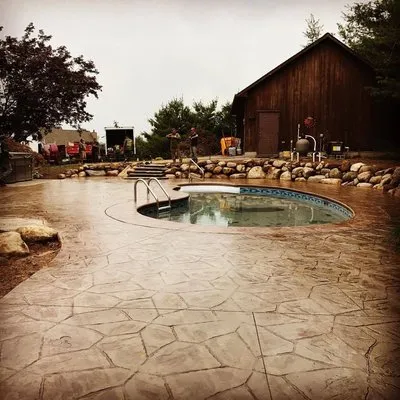
Lawngevity Landscape is a family-owned and operated landscape service provider in Chester, NY, with deep roots in the community since 1986. We specialize in comprehensive landscape design, installatio...
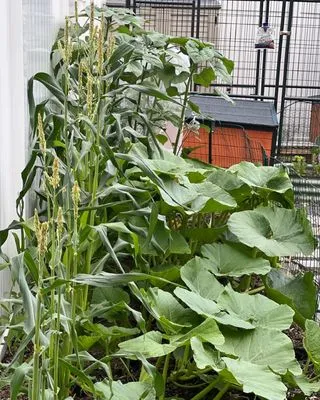
Handy AF brings the vision of a perfect landscape, ornamental garden, or edible garden to life for Salisbury Mills residents, with a focus on precision and adaptable seasonal care. The approach is per...
Lawn Doctor in Fort Montgomery, NY provides reliable landscaping, pest control, and tree services for homeowners. We understand the common local challenges, such as irrigation timer failures and stand...
GARRISON TREE has been serving Cold Spring and surrounding communities for nearly two decades, providing reliable tree care and landscaping services. As a locally owned business led by certified arbor...
Cedar Hill Property Maintenance LLC is a trusted local landscaping and tree service provider serving Cold Spring, NY, and the wider Hudson Valley region. Founded on a commitment to exceptional custome...
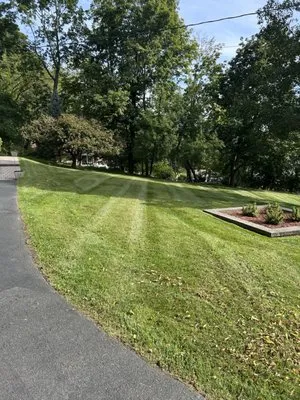
Matt's Landscaping is a trusted, locally-owned landscaping and pressure washing company serving New Windsor, NY, and the surrounding Hudson Valley. We specialize in diagnosing and solving the common l...
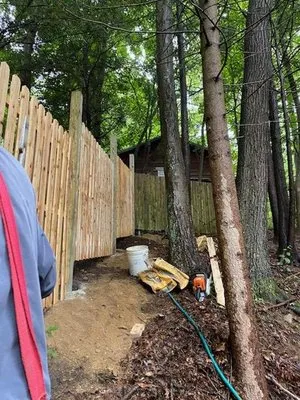
Hilltop is a full-service landscaping, masonry, fencing, tree service, and irrigation company based in Croton-on-Hudson, NY. With deep roots in the community through our Hilltop Nursery garden center,...
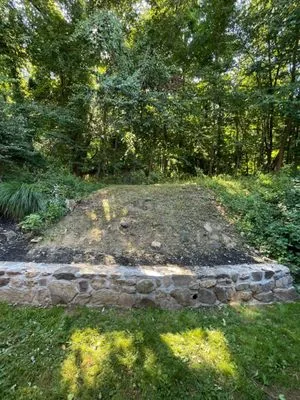
De La Tierra Landscaping is a family-owned, licensed, and insured landscaping company serving Croton-on-Hudson, NY, and surrounding areas. Founded by Bryais Chino, who grew up immersed in the flower i...
Hilltop Landscaping is a trusted local landscaping company serving Croton-on-Hudson, NY, and the surrounding areas. We specialize in addressing common landscaping challenges faced by homeowners in our...
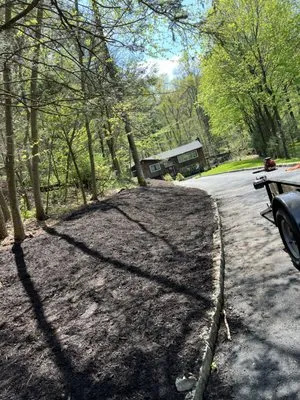
Alegria's Landscaping Services is a full-service landscape contractor serving Peekskill, NY, dedicated to enhancing and maintaining outdoor spaces for local homeowners. We specialize in comprehensive ...
Estimated Landscaping Service Costs in Highlands, NY
Common Questions
How do I manage invasive species without chemical runoff concerns?
Japanese knotweed and garlic mustard present the highest invasive risks in USDA Zone 6b, requiring careful treatment timing. Manual removal during early growth stages avoids phosphorus-based herbicide applications prohibited under New York State's Nutrient Runoff Law. Solarization with clear plastic during July-August heat waves effectively controls many invasives while maintaining soil health and protecting nearby water sources from contamination.
What permits and licenses are needed for grading my 0.25-acre lot?
Grading work exceeding 100 cubic yards of soil movement requires a permit from the Town of Highlands Building Department. Contractors must hold appropriate licensing through the New York State Department of State Division of Licensing Services, particularly for projects affecting drainage patterns or property boundaries. Professional oversight ensures compliance with erosion control measures and prevents unintended impacts on neighboring lots in Highland Falls Center's compact residential areas.
Why does my Highland Falls Center lawn struggle despite regular care?
Highlands properties built around 1958 have acidic channery silt loam soil that has matured for approximately 68 years. This soil type naturally develops compaction layers that restrict root growth and water infiltration. Core aeration with organic amendments like composted leaf mold addresses the pH 5.5-6.2 range while improving soil structure. The neighborhood's topography near Bear Mountain State Park contributes to this soil profile through natural weathering processes.
What solutions prevent erosion on my steep Highland Falls slope?
Acidic channery silt loam has high erosion potential that requires engineered drainage solutions. Permeable concrete pavers and bluestone installations increase surface infiltration rates while meeting Town of Highlands Building Department runoff standards. French drains with clean stone aggregate redirect subsurface water, and terraced planting beds with deep-rooted natives stabilize soil structure on inclines exceeding 15% grade.
Should I worry about water restrictions affecting my Kentucky Bluegrass lawn?
Current Stage 0 water restrictions allow normal irrigation, but smart Wi-Fi soil moisture sensor controllers provide essential conservation. These systems calculate evapotranspiration rates specific to Highland Falls Center's microclimate, applying water only when the Fine Fescue mix shows actual need. This technology maintains turf health while reducing municipal water consumption by 30-40% compared to traditional timer-based systems.
How quickly can you respond to storm damage for HOA compliance?
Emergency cleanup crews dispatch from Bear Mountain State Park via US-9W, arriving at Highland Falls Center properties within 25-35 minutes during peak response windows. This routing avoids typical congestion points while maintaining compliance with gas-powered equipment noise restrictions between 8:00 AM and 7:00 PM. The team prioritizes safety hazards like downed limbs before addressing aesthetic concerns to meet most HOA deadlines.
Can I reduce maintenance while keeping my property attractive?
Replacing high-maintenance turf with native plantings like Eastern Redbud, Switchgrass, and Serviceberry creates resilient landscapes. These species require minimal irrigation once established and eliminate weekly mowing during May-September peak seasons. The transition reduces gas-powered equipment use, aligning with evolving noise ordinances while supporting local pollinators through New England Aster and Joe Pye Weed plantings.
Are bluestone patios better than wood decks for longevity?
Bluestone and permeable concrete pavers offer superior durability with 30+ year lifespans compared to wood's 15-20 year maximum. These materials maintain structural integrity through freeze-thaw cycles common in Highlands' climate while requiring minimal maintenance. Their non-combustible nature supports Moderate Fire Wise Rating (WUI Zone 2) compliance by creating defensible space around structures without contributing fuel loads during wildfire seasons.
