Top Landscaping Services in Henrietta, NY, 14467 | Compare & Call
There are 177 landscaping companies server in Henrietta NY

East Side Property Solutions is your Webster, NY partner for comprehensive property care, specializing in landscaping, junk removal, and pressure washing. We help local homeowners and businesses maint...
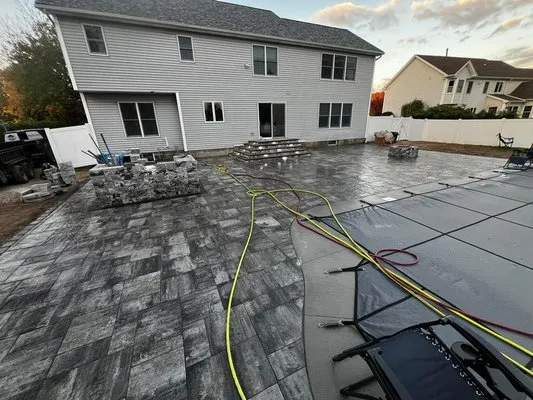
KMB Property Solutions is a Macedon, NY-based company specializing in landscaping, tree services, and patio coverings. We help local homeowners tackle common landscaping challenges like poor lawn grad...
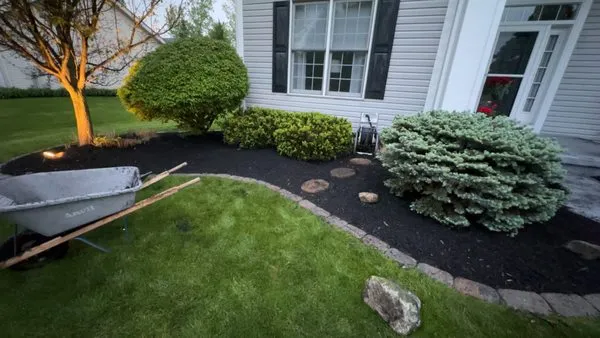
Curbline Construction
Curbline Construction is a Hilton, NY-based company specializing in masonry, concrete, and comprehensive landscaping services. With expertise in both construction and design, we help homeowners create...
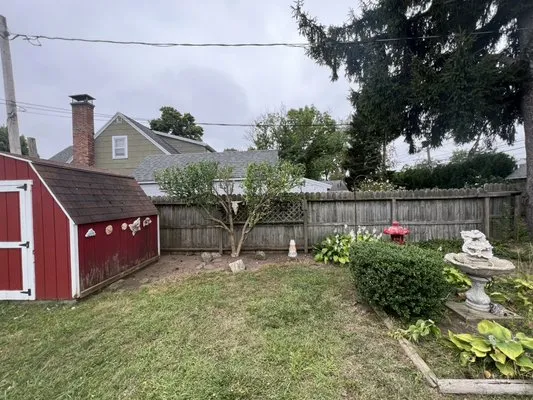
Longdue Property Maintenance LLC, owned by Joshua Longdue, is a fully insured Rochester-based company specializing in comprehensive property care. We provide professional landscaping, tree services, a...
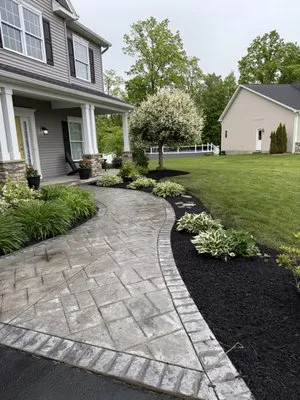
Krug's Property Services is a full-service landscaping, excavation, and tree care company serving Brockport, NY, and the surrounding area. We handle everything from major earthmoving and retaining wal...
Don & Jon Lawn and Tree Service
With over 26 years of dedicated service to the Greater Rochester and Ontario, NY communities, Don & Jon Lawn and Tree Service is a trusted, licensed, and insured provider. We combine deep local knowle...
Blair Care is a locally owned and operated Cuba, NY company dedicated to comprehensive property care. We combine landscaping, snow removal, and general contracting expertise to serve as a reliable par...
Callahan's Lawn Care and Property Maintenance
Callahan's Lawn Care and Property Maintenance has been a trusted, family-owned business serving the Greater Rochester area since 1994. Founded by RIT graduate Mike Callahan, the company has grown from...

NH Landscaping is a full-service landscape and construction company serving Rochester, NY, and the surrounding communities. We help local homeowners enhance their property's curb appeal, functionality...

Dirty Works Landscaping & More is a full-service landscaping company serving Rochester, NY, and the surrounding communities. We specialize in tackling the common local issues of landscape edging damag...
Estimated Landscaping Service Costs in Henrietta, NY
Q&A
Japanese knotweed is invading our property line. How do we treat it safely?
Japanese knotweed represents a Tier 2 invasive species alert in Monroe County, requiring systematic treatment without violating NYS phosphorus bans. We apply glyphosate-based herbicides during late summer translocation periods, avoiding spring blackout dates when nutrient runoff risks peak. Treatment requires 3-4 applications over two growing seasons, combined with root barrier installation to prevent rhizome spread to adjacent properties.
Water pools near our foundation every spring. What drainage solutions work with Henrietta's soil?
Neutral silt loam in West Henrietta exhibits poor infiltration rates, often below 0.25 inches per hour during spring saturation. Permeable concrete pavers or natural bluestone installations with 40% void spaces can increase surface permeability 300-400%. The Henrietta Building and Planning Department requires drainage plans showing 2% slope away from structures, which we achieve through French drain systems tied to dry wells or daylight outlets.
What permits and licenses are needed for regrading our 0.35-acre yard?
Grading work exceeding 100 cubic yards on 0.35-acre lots requires an engineered grading plan approved by the Henrietta Building and Planning Department. Contractors must hold New York State Department of State (Division of Licensing Services) licensing for excavation and earthwork. The permit process typically takes 4-6 weeks and includes erosion control measures, neighbor notification for slope changes exceeding 10%, and final inspection for proper drainage away from property lines.
Our West Henrietta yard seems compacted and drains poorly. What's happening with our soil?
Henrietta's 1974-built homes have 52-year-old soil systems that typically show maturity issues. West Henrietta lots often feature neutral silt loam (pH 6.5-7.2) that becomes dense over decades, reducing permeability to 0.5 inches per hour. This compaction limits root penetration and creates seasonal high water tables. Core aeration with 3-inch depth spacing and 5% organic matter amendments can restore soil structure within two growing seasons.
How do we keep our Kentucky Bluegrass and Perennial Ryegrass healthy without wasting water?
Monroe County Water Authority currently imposes no restrictions, but smart Wi-Fi ET-based controllers optimize irrigation using real-time evapotranspiration data. These systems adjust watering schedules based on weather forecasts, soil moisture sensors, and plant water requirements. For Henrietta's Zone 6a climate, this typically reduces water use 25-35% while maintaining turf health through dormancy periods and seasonal transitions.
We need emergency storm cleanup before an HOA inspection tomorrow. How quickly can you respond?
Emergency crews dispatch from Veterans Memorial Park via I-390 to reach West Henrietta within 20-30 minutes during peak conditions. Our fleet maintains electric equipment to comply with standard decibel limits while operating after hours. We prioritize safety zone establishment before debris removal, completing most 0.35-acre property cleanups within 4-6 hours of arrival.
Should we use concrete pavers or wood for our new patio?
Concrete pavers and natural bluestone offer 25-40 year lifespans versus wood's 10-15 years in Henrietta's freeze-thaw cycles. These materials maintain structural integrity without chemical treatments that could violate phosphorus runoff regulations. For Henrietta's low Fire Wise rating (non-wildland urban interface), hardscapes provide defensible space without combustible materials, though we maintain 5-foot clearance between structures and vegetation as precaution.
We want to reduce mowing and gas equipment noise. What native alternatives work here?
Replacing high-maintenance turf with native plant communities reduces mowing frequency from weekly to seasonal. Common Milkweed, New England Aster, Joe Pye Weed, and Wild Bergamot establish deep root systems that improve soil structure and require minimal irrigation once established. This transition supports 2026 biodiversity standards while positioning properties ahead of potential gas-blower restrictions in noise ordinance updates.
