Top Landscaping Services in Hartsdale, NY, 10530 | Compare & Call
There are 159 landscaping companies server in Hartsdale NY
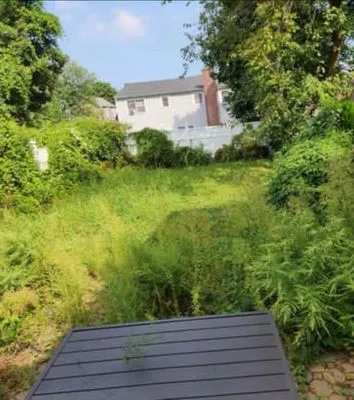
DTGF Crew Service is your trusted, local partner for keeping your North White Plains property clean, safe, and well-maintained year-round. We specialize in junk pickup, lawn care, and snow removal, of...
Taurus Landscaping is a trusted local landscaping company serving homeowners in Elmsford, NY. We specialize in diagnosing and resolving common local lawn problems like patchy grass and lawn fungus dis...
Pro Sprinklers is your trusted local partner for landscaping and irrigation in Elmsford, NY. We specialize in solving the common local problems of dying shrubs and faulty irrigation timers. Our expert...
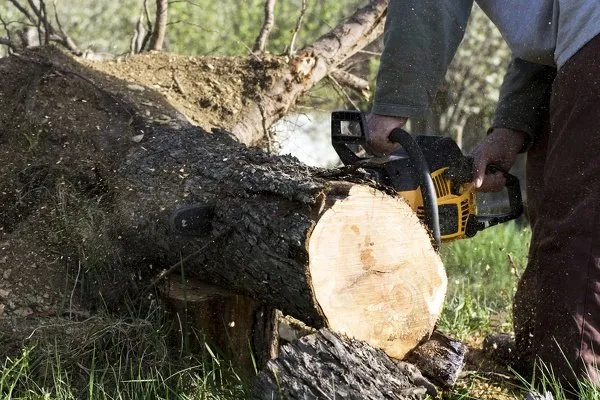
Padilla Tree Whisper is a trusted, local family-owned business serving Elmsford and Westchester County. We specialize in comprehensive tree care and expert landscape maintenance. We understand the com...
Tri-State Contracting is a locally owned and operated contracting firm based in Elmsford, NY, with deep roots in Westchester County. For over 30 years, they have built a reputation for reliability and...
Spring Landscape is your trusted White Plains, NY partner for creating and maintaining healthy, beautiful outdoor spaces. We understand the common local challenges homeowners face, such as persistent ...
Digilio Landscaping provides professional lawn care services for homeowners in White Plains, NY. We understand the local challenges, such as uneven sprinkler coverage leading to dry patches and persis...
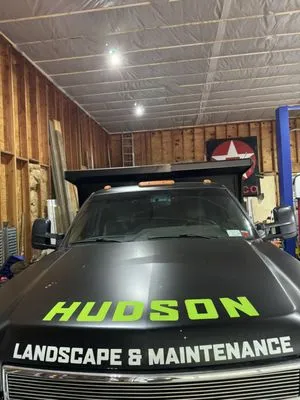
Hudson Landscape & Maintenance is your trusted, locally-owned landscaping partner in West Harrison, NY. We specialize in comprehensive landscape maintenance, expert tree care, and reliable snow remova...
John J Barile Landscaping
For over three decades, John J Barile Landscaping has served the Purchase, NY community as a trusted, full-service partner for outdoor care. We specialize in creating and maintaining resilient, beauti...
Estimated Landscaping Service Costs in Hartsdale, NY
Questions and Answers
We have an invasive vine taking over a bed. How do we remove it without harming nearby plants or breaking local laws?
For invasive species like English ivy or porcelain berry, manual removal of the root crown is most effective. Spot-applying a glyphosate-based herbicide directly to the cut stem in late summer minimizes drift and complies with New York's Phosphorus Runoff Law, which restricts fertilizer but not targeted herbicide use for invasives. Always schedule this outside of peak pollinator activity and avoid application before heavy rain to prevent runoff into the local watershed.
We're adding a patio. Is bluestone a better choice than composite wood for longevity?
For longevity and low maintenance, bluestone is superior. It is a natural stone with high compressive strength, resisting freeze-thaw cycles in Zone 7a. Unlike wood or composites, it does not rot, warp, or require sealing. Its non-combustible nature also supports Hartsdale's low Fire Wise rating by maintaining defensible space. When installed with proper base preparation, a bluestone patio will remain stable and permeable for decades with only occasional sweeping.
Is there a lower-maintenance, quieter alternative to our traditional lawn?
Transitioning high-input turf areas to a native plant community is a forward-looking solution. Species like Purple Coneflower, Switchgrass, and Wild Bergamot are adapted to Zone 7a's climate and acidic soils, requiring no fertilizer, less water, and minimal mowing. This shift reduces dependency on gas-powered equipment ahead of tightening noise ordinances, creates habitat, and provides year-round visual interest with significantly lower resource inputs.
Our yard gets soggy and pools water every spring. What's the best long-term fix?
Seasonal high water tables and moderate runoff are common on Hartsdale's dense glacial till. The solution combines subsurface drainage with surface permeability. Installing a French drain system tied to a dry well addresses groundwater, while replacing impervious surfaces with bluestone pavers set on a permeable base meets Town of Greenburgh stormwater standards. This dual approach manages both the water table and surface flow, protecting foundations and preventing erosion.
Why does the soil in our Hartsdale Manor yards seem so compacted and acidic?
Hartsdale Manor's 1956-era homes sit on naturally acidic glacial till, a legacy of the last ice age. Over 70 years of standard construction and lawn care have further compacted the subsoil and depleted organic matter. This low pH and density create poor conditions for root development and water infiltration. A core aeration and targeted application of lime can correct pH, while top-dressing with compost will rebuild soil structure and biology.
How fast can you respond to an emergency like a storm-downed tree for an HOA compliance deadline?
For urgent situations like storm debris clearance, our dispatch from the Hartsdale Train Station area allows a 20-30 minute arrival to most Hartsdale Manor properties via I-287, even during peak traffic. We prioritize these calls with dedicated crews and electric-powered equipment that can operate within Greenburgh's noise ordinance hours starting at 8 AM. This ensures rapid, compliant cleanup to meet critical HOA or municipal deadlines.
What permits and credentials should we verify before hiring a contractor for grading and drainage work?
Any significant grading or drainage alteration on a 0.25-acre lot requires oversight. The contractor must hold a Home Improvement Contractor license from the NY State Department of State. The Town of Greenburgh Planning Department may require a permit if the work changes site drainage patterns or involves over 100 square feet of new impervious cover. Always verify both credentials; unlicensed work can void insurance and lead to compliance orders for improper stormwater management.
How can we keep our lawn healthy during Hartsdale's voluntary water conservation stage?
Smart Wi-Fi ET-based irrigation controllers are essential under Stage 1 conservation. These systems use local weather data to apply water only when evapotranspiration rates demand it, preventing overwatering. For your Kentucky Bluegrass and Fine Fescue mix, this means deep, infrequent watering cycles that encourage drought-tolerant roots. Properly programmed, this technology can reduce potable water use by 20-30% while maintaining turf health within municipal guidelines.
