Top Landscaping Services in Hartland, NY, 14008 | Compare & Call

There are 120 landscaping companies server in Hartland NY
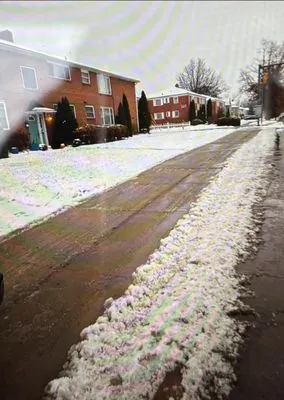
Slaughter's Landscape and Snow Plowing is a trusted, locally-owned and operated business serving Buffalo, NY, and the surrounding communities. We provide comprehensive, year-round solutions to protect...
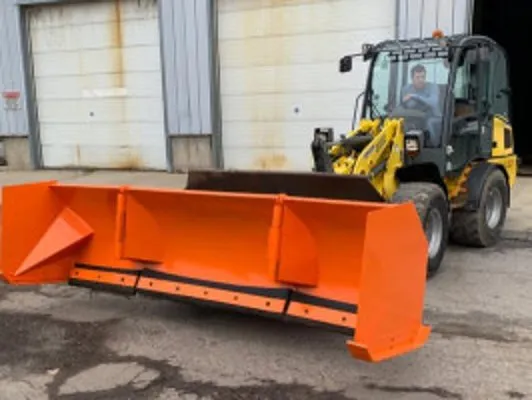
Buffalo Snowplowing & Lawn Care is a family-owned business serving Buffalo, NY and the surrounding region with reliable, year-round property maintenance solutions. With over two years of operation, we...
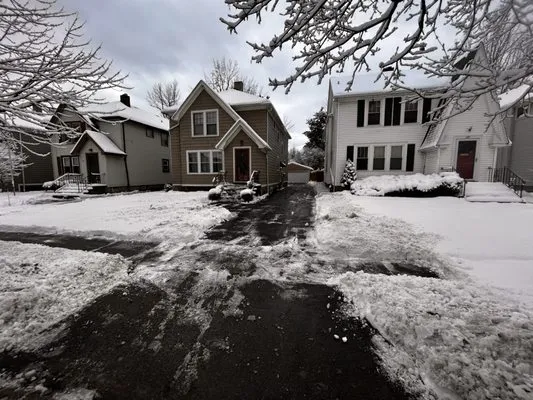
Rose Lawn Care & Snow Removal is a trusted local provider in Buffalo, NY, specializing in comprehensive lawn care and reliable snow removal services. With a focus on quality and attention to detail, w...
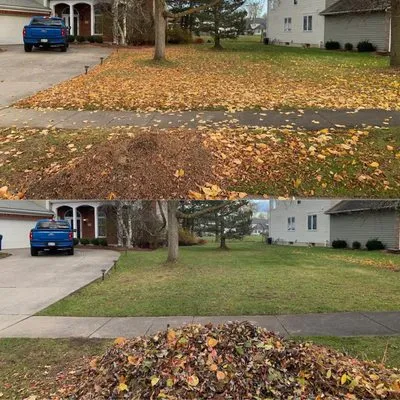
Buffalo Landscaping Brothers is a family-owned and operated business serving Tonawanda, Kenmore, and Amherst. Founded by local brothers, this startup is built on a commitment to reliable, hands-on ser...
Olson Design & Restoration
At Olson Design & Restoration in Buffalo, NY, we bring a lifelong dedication to plants and a deep knowledge of our local environment to every project. Our team combines years of hands-on field experie...
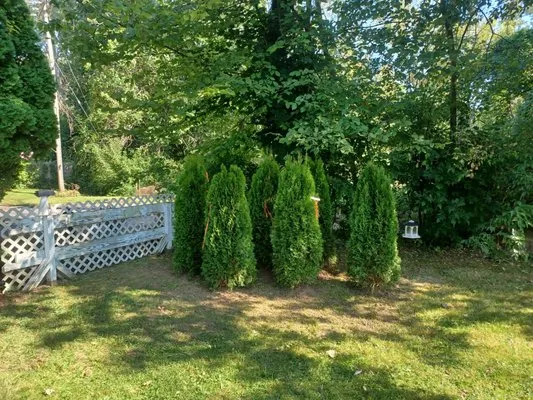
Buffalo Landscape Solutions and Home Services
Buffalo Landscape Solutions and Home Services is a Depew-based, full-service landscaping company dedicated to enhancing and protecting Western New York properties. We specialize in a comprehensive ran...
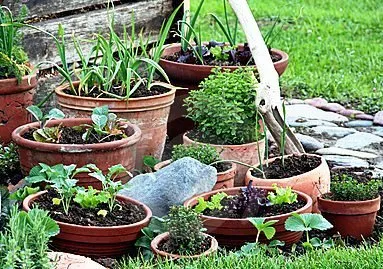
Grabber & Sons Landscaping and Nursery
Grabber & Sons Landscaping and Nursery is a trusted, family-owned business serving Cheektowaga and Western New York for over 25 years. As a full-service provider, we handle everything from seasonal sn...
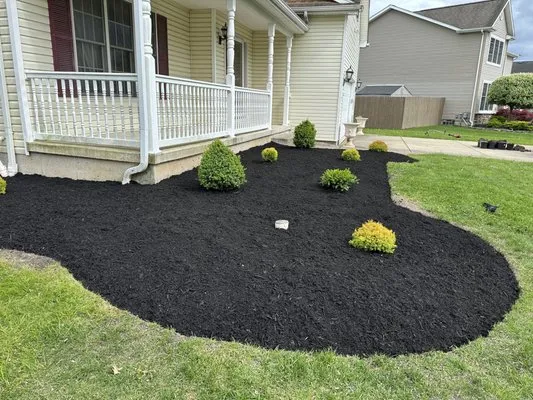
JD Landscaping & Snowplowing
JD Landscaping & Snowplowing is a trusted, family-owned company that has been proudly serving Buffalo, NY, and the Getzville community since 2015. We provide 24/7 residential and commercial services, ...
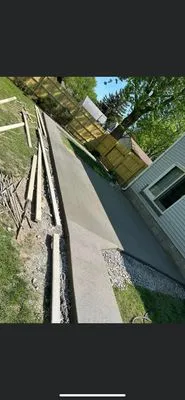
For over 15 years, DB's Landscaping and Lawn Care has been a trusted partner for homeowners in East Amherst and the greater Buffalo area. Our commitment is straightforward: deliver quality craftsmansh...
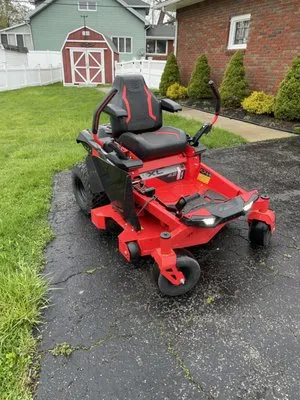
At R and S Landscaping in Buffalo, we’re your neighbors, a small family-owned business dedicated to transforming outdoor spaces with care and precision. We pride ourselves on genuine connections, trea...
Estimated Landscaping Service Costs in Hartland, NY
FAQs
A storm damaged trees and I need an emergency cleanup to meet HOA rules. How fast can a crew arrive?
For an urgent HOA compliance issue, a dispatched crew from the Hartland Town Hall area can typically reach Hartland Center properties within the 25-35 minute peak response window. The route via NY-104 is direct, and our electric fleet operates within the 8am-8pm noise ordinance, allowing for immediate, compliant debris removal and safety mitigation.
What invasive plants should I watch for, and how do I remove them safely?
Japanese Knotweed and Garlic Mustard are high-priority invasives in our area. Manual removal or targeted, non-systemic herbicide application during specific growth stages is most effective. All treatment plans must comply with the NYS Phosphorus Runoff Law, which prohibits phosphorus-containing fertilizers and mandates careful timing to protect local watersheds from nutrient pollution.
My lawn struggles to grow. Is it just the age of my home?
Homes in Hartland Center, built circa 1961, have 65-year-old landscapes where soil compaction is a primary issue. The native Dunkirk Silt Loam, while fertile, becomes dense over decades, severely limiting root zone oxygen and water permeability. This is not a fertility problem but a physical one, requiring core aeration and top-dressing with compost to rebuild soil structure and support healthy turf.
I'm tired of weekly mowing. Are there lower-maintenance, eco-friendly options?
Transitioning turf areas to a native plant community is a strategic, forward-looking solution. A matrix of Little Bluestem grass with Common Milkweed, New England Aster, and Joe-Pye Weed establishes a self-sustaining ecosystem that requires no mowing, minimal water, and provides critical habitat. This approach also future-proofs your property against tightening noise ordinances regulating gas-powered blowers and mowers.
Is bluestone or a composite deck better for a new patio in terms of longevity and safety?
Bluestone or permeable concrete pavers offer superior longevity and lower lifetime maintenance than wood or wood-composite decks. From a fire safety perspective, these non-combustible materials are advantageous for maintaining defensible space, even in Hartland's Low Fire Wise rating zone, as they do not contribute fuel load near the home's structure.
I want to regrade part of my 0.45-acre lot. What permits and contractor credentials are required?
Regrading that alters drainage patterns or involves significant cut/fill typically requires a permit from the Town of Hartland Building & Planning Department. For proper execution, ensure your contractor holds appropriate licensing through the NYS Department of State - Division of Licensing Services. This is crucial for work affecting soil stability and water management on a property of this size, safeguarding against liability and substandard work.
How can I keep my Kentucky Bluegrass lawn green without wasting water or breaking future restrictions?
Smart Wi-Fi soil-moisture sensors are essential for Hartland's Zone 6a climate. These systems irrigate based on actual evapotranspiration (ET) and root zone saturation, not a fixed schedule. This technology applies water only when and where the Fine Fescue blend needs it, conserving significant volume and building resilience ahead of potential Stage 1 or 2 municipal water restrictions.
My yard stays soggy for days after rain. What's the cause and a lasting solution?
Moderate seasonal saturation is inherent to Dunkirk Silt Loam due to its slow permeability. Correcting this requires subsurface French drains or dry wells to intercept water. For new patios or walkways, specifying permeable concrete pavers or open-joint bluestone creates a pervious surface that meets Town of Hartland runoff standards by allowing infiltration rather than contributing to stormwater volume.
