Top Landscaping Services in Hartford, NY, 12809 | Compare & Call

There are 29 landscaping companies server in Hartford NY
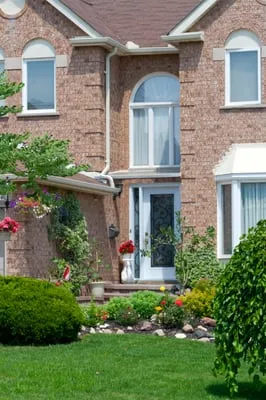
Elite Property Care is a family-owned landscaping and hardscaping business serving Albany, NY, and the surrounding Capital Region. Founded over 15 years ago by brothers Vince and Steve Santandrea, the...
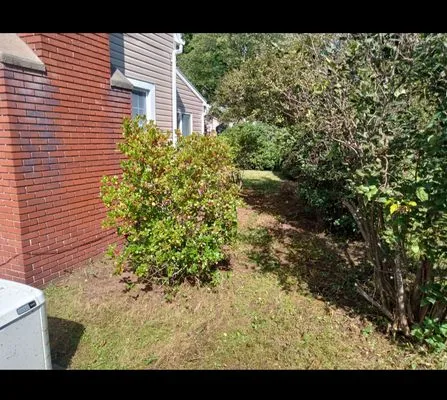
Back Country Lawn Care is a family-owned and operated business serving the Hadley community. As a dedicated father-and-son team, we bring a personal, hardworking approach to every project. Our family ...
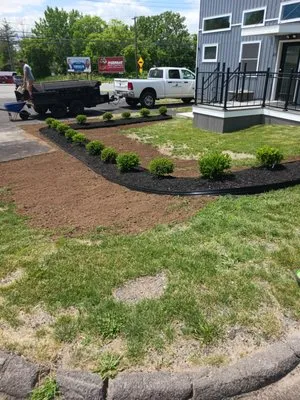
Sons Landscaping is a full-service Schenectady, NY, contractor specializing in creating and maintaining beautiful, functional outdoor spaces. We understand the common challenges local homeowners face,...

Bushwackers is a full-service landscaping company dedicated to serving the Schenectady, NY, community. We operate 24/7 to provide dependable support for both routine projects and urgent outdoor emerge...
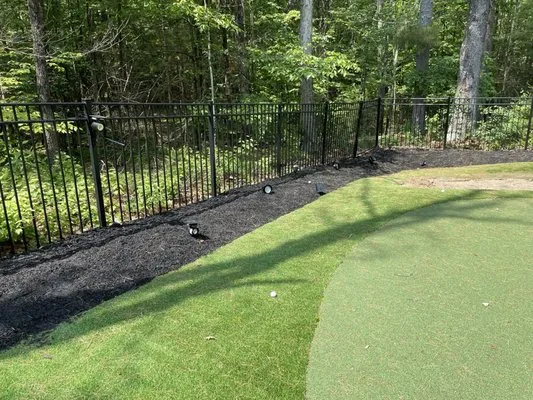
Grizzley Scapes 518
Grizzley Scapes 518 is a trusted, locally-owned landscaping company serving Mechanicville, NY, and the surrounding 518 area. We specialize in comprehensive lawn care and landscape maintenance to addre...
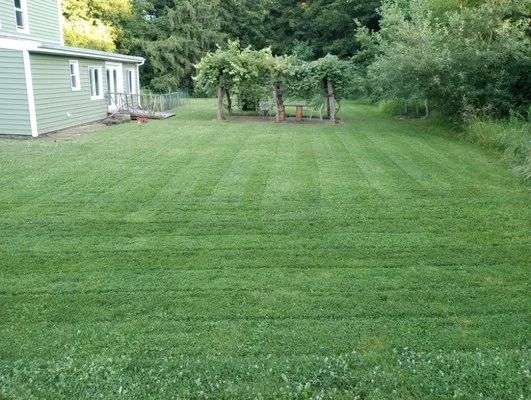
Lawn King's Lawn and Garden Service is your trusted local expert for Schenectady lawns and gardens. We specialize in solving the common landscaping issues homeowners face, such as unsightly dead patch...
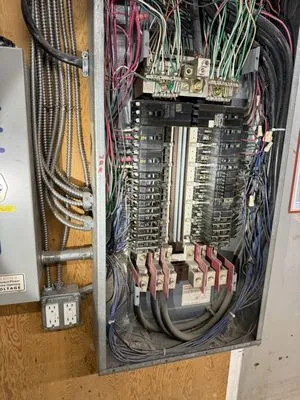
Founded on a lifelong passion for electrical work, Dig Dug Electric brings over 30 years of professional experience to Johnsonville. Owner Michael's journey began in his grandfather's electronics stor...
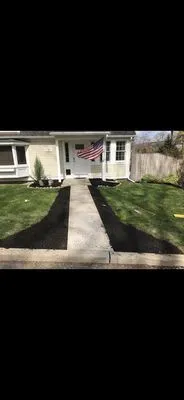
PD&J Landscaping is a trusted lawn care provider serving Ballston Lake, NY, and the surrounding communities. We specialize in comprehensive lawn care services designed to address common local landscap...
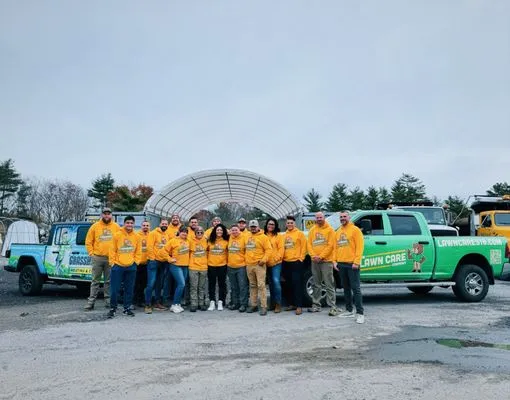
Groundhogs Lawn Care is a Queensbury-based lawn service provider dedicated to enhancing the beauty and value of properties throughout the region. We specialize in comprehensive residential and small c...
Hoag Landscaping LLC is a Corinth, NY-based business dedicated to providing reliable landscaping, snow removal, and property management services for local homeowners. With a focus on integrity and pro...
Estimated Landscaping Service Costs in Hartford, NY
Common Questions
What are the biggest weed threats here, and how do I deal with them safely?
Invasive species like Japanese Knotweed and Garlic Mustard are prevalent alerts. Control requires a targeted, integrated approach. Manual removal and smothering with cardboard and mulch are effective first steps. For persistent issues, NY's Nutrient Runoff Law prohibits phosphorus fertilizer application unless a soil test confirms a deficiency, so any selective herbicide must be phosphorus-free. Always apply during calm, dry periods to prevent drift and strictly observe any local blackout dates for application.
My yard stays soggy and I see frost heave damage each spring. What's the solution?
This is a direct result of Hartford's high seasonal water table interacting with dense, acidic silt loam. Surface water cannot percolate quickly. A graded drainage system with French drains is the primary remedy. For hardscape additions, specify permeable installations using crushed granite or open-joint bluestone to meet Town runoff standards. These materials allow infiltration, reducing hydraulic load on the soil and mitigating the freeze-thaw cycles that cause frost heave.
Is there a lower-maintenance, eco-friendly alternative to my traditional lawn?
Absolutely. Transitioning perimeter zones to a layered planting of Hartford natives like Serviceberry, New England Aster, Joe-Pye Weed, and Switchgrass significantly reduces water, mowing, and chemical inputs. This xeriscape approach builds biodiversity and soil carbon. It also future-proofs your property against evolving noise ordinances that restrict gas-powered blowers, as native beds require minimal seasonal cleanup with quiet, electric equipment.
Why does my yard drain poorly and feel compacted compared to newer neighborhoods?
Your Hartford Village Center lot, like many from the 1954 build era, has 72-year-old soil. This acidic silt loam has likely undergone decades of compression from foot traffic and equipment, degrading its structure and reducing percolation. The natural pH of 5.8-6.2 is suitable for acid-loving natives but can inhibit microbial activity in compacted turf areas. Core aeration combined with top-dressing compost is essential to reintroduce organic matter, improve permeability, and mitigate the high seasonal water table common in these soils.
How can I keep my lawn healthy during dry spells without violating water rules?
Despite voluntary conservation status, efficient water use is critical. Modern soil-moisture sensor bypass controllers prevent irrigation cycles when the root zone is adequately wet, reducing water use by 20-30%. For your Kentucky Bluegrass and Fine Fescue mix, this technology applies water based on actual evapotranspiration (ET) needs, not a fixed schedule. This deep, infrequent watering encourages drought-tolerant root growth and maintains turf health within municipal system limits.
Can you respond quickly for emergency storm cleanup to avoid HOA fines?
Yes. Our storm response protocol for Hartford prioritizes access via NY-40 from the Hartford Town Hall dispatch point, targeting a 45-60 minute arrival during peak events. We coordinate with the Town of Hartford Code Enforcement for debris management plans to ensure compliance. Our electric-powered maintenance fleet operates within the 8:00 AM to 8:00 PM noise ordinance window, enabling efficient cleanup without violating decibel limits.
What permits and credentials should I verify before hiring for a grading project?
Any significant grading or drainage work on a 0.50-acre lot requires oversight. The contractor must hold appropriate licensing through the NY State Department of State Division of Licensing Services. The Town of Hartford Code Enforcement Office issues permits for projects altering water flow or adding impervious surface; their review ensures compliance with erosion control and stormwater regulations. Always verify both credentials to avoid liability for improper water diversion or environmental violations.
Is bluestone or composite wood better for a patio that lasts?
For longevity and low maintenance in Zone 5a, bluestone is superior. It withstands freeze-thaw cycles with minimal cracking and does not rot, warp, or require sealing like wood. While Hartford has a low Fire Wise rating, using non-combustible crushed granite for pathways instead of mulch creates defensible space. Bluestone's thermal mass can also moderate micro-climate temperatures around your home, providing a functional advantage over synthetic materials.
