Top Landscaping Services in Hannibal, NY, 13074 | Compare & Call

L&G Exterior Services is a Hannibal-based company specializing in comprehensive exterior solutions for homeowners and businesses. Founded and operated by local owner Nicholas Bellavia, the business is...
Miano Landscaping & Mowing is a trusted local landscaping company serving Hannibal, NY, and the surrounding areas. We understand the specific challenges homeowners in our community face, such as persi...
Clean Cut Property Maintenance is your Hannibal, NY, partner for comprehensive landscaping and property solutions. We understand the common local challenges of patchy lawns and poor grading that can l...
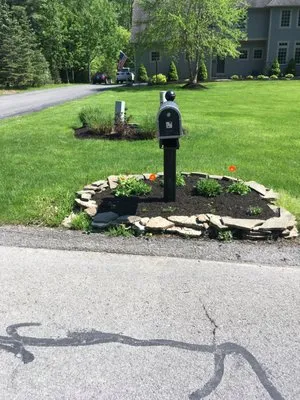
Shilow Farm and Landscaping is a full-service landscaping company based in Hannibal, NY, dedicated to enhancing the beauty and function of local properties. We understand the common challenges in our ...
Clear Image is a locally owned and operated Hannibal business with roots in the community. Founded by a professional who started working with plants as a teenager in 1987, the company has grown from a...
Cutting Edge Plow and Lawncare is a trusted, locally-owned service in Hannibal, NY, specializing in comprehensive lawn care and maintenance. We understand the common local challenges homeowners face, ...

Wilson Preservation is your trusted, local partner for year-round property care in Hannibal, NY. We specialize in comprehensive tree services, lawn care, and reliable snow removal, helping homeowners ...

Miles Of Shine Detailing Service in Hannibal, NY, is your local expert for comprehensive auto detailing and lawn care solutions. We specialize in auto detailing work, paint and exterior protection, in...
Gregs Stump Removal & Tree Service is a Hannibal-based professional tree care company serving homeowners and businesses throughout the local area. As an OSHA Safety Certified and fully insured team, w...
FAQs
What irrigation system works best for Hannibal's Kentucky Bluegrass while conserving water?
Wi-Fi ET-based weather sensing irrigation automatically adjusts watering schedules using real-time evapotranspiration data from local weather stations. This technology maintains turf health while reducing water use by 20-30% compared to traditional timers. Hannibal's standard conservation status allows flexible watering, but ET-based systems prevent overwatering during high saturation periods. Properly calibrated systems deliver 1-1.5 inches weekly during peak growing seasons, preserving both turf quality and municipal water resources.
What permits and licenses are needed for grading work on my half-acre Hannibal property?
Grading projects on 0.50-acre lots require Town of Hannibal Code Enforcement Office permits for soil disturbance exceeding 100 square feet. Contractors must hold New York State Department of State - Division of Licensing Services certification for landscape construction. This ensures proper erosion control during high saturation periods and compliance with stormwater management regulations. Professional licensing verifies training in glacial till compaction issues specific to the region's acidic silt loam soils.
How do I control invasive species without violating fertilizer regulations?
Japanese knotweed and garlic mustard pose significant threats in Hannibal's rural-suburban interface. Manual removal before seed set, combined with targeted organic herbicides, manages infestations without phosphorus runoff risks. NYS Nutrient Runoff Law prohibits phosphorus on established lawns, requiring careful timing of any soil amendments. Treatment during late April mulching season aligns with plant growth cycles while avoiding blackout dates. Regular monitoring prevents re-establishment of invasive root systems in the acidic silt loam.
Which hardscape materials last longest in Hannibal's climate?
Crushed bluestone and concrete pavers outperform wood in longevity, resisting freeze-thaw cycles common in USDA Zone 5b. These materials maintain structural integrity for 25+ years with proper installation and drainage. For fire-wise compliance in low-risk rural-suburban zones, non-combustible hardscapes create defensible space around structures. Permeable installation methods reduce runoff while providing stable surfaces that withstand Hannibal's seasonal saturation patterns better than organic alternatives.
How do I fix chronic drainage problems in my Hannibal yard?
High seasonal saturation in acidic silt loam requires integrated drainage solutions. French drains with clean gravel and perforated pipe redirect subsurface water, while dry creek beds manage surface flow. Permeable crushed bluestone or concrete pavers replace solid surfaces to increase infiltration rates. These approaches meet Town of Hannibal Code Enforcement Office runoff standards by reducing impervious coverage. Soil amendments like gypsum can improve structure in compacted glacial till areas.
What are low-maintenance alternatives to traditional lawn grass in Hannibal?
Transitioning to native plantings like Serviceberry, New England Aster, and Joe-Pye Weed reduces maintenance while supporting local biodiversity. These species require minimal watering once established and provide year-round ecological benefits. Electric maintenance equipment meets evolving noise ordinance standards as municipalities phase out gas-powered blowers. Xeriscaping with Sugar Maple understories creates resilient landscapes that adapt to Zone 5b climate patterns while reducing carbon emissions from maintenance activities.
How quickly can you respond to an emergency tree cleanup after a storm in Hannibal?
Emergency storm response from Hannibal Community Park via NY-3 typically requires 45-60 minutes during peak conditions. This travel time accounts for debris clearance and safe routing through affected areas. Our electric maintenance fleet operates within standard daytime decibel limits (7 AM-9 PM), ensuring compliance while providing rapid service. HOA compliance issues receive similar priority scheduling to address safety hazards promptly.
Why does my Hannibal Village Center lawn struggle with compaction and poor drainage?
Hannibal's acidic silt loam soil, with pH 5.8-6.5, has been developing since the area's average 1961 construction, resulting in 65 years of soil maturity. This extended timeline has allowed glacial till compaction to settle deeply, reducing permeability. Core aeration with organic amendments like composted leaf mold addresses this by improving soil structure and water infiltration. The neighborhood's soil profile typically requires this treatment every 2-3 years to maintain healthy root zones for Kentucky Bluegrass mixes.
