Top Landscaping Services in Greenwood Lake, NY, 10925 | Compare & Call

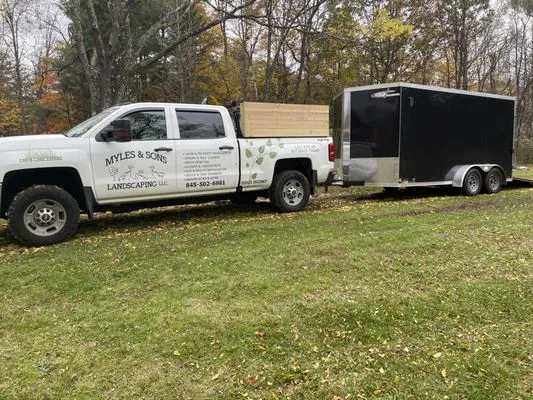
MYLES & SONS LANDSCAPING LLC is a trusted, family-owned landscaping company serving Greenwood Lake, NY, and the surrounding area. We specialize in comprehensive landscaping services, including irrigat...

BHB Property Management
BHB Property Management is a family-owned and operated company based in Greenwood Lake, NY, founded by Louis, a Queens College graduate with over a decade of experience in property management and main...
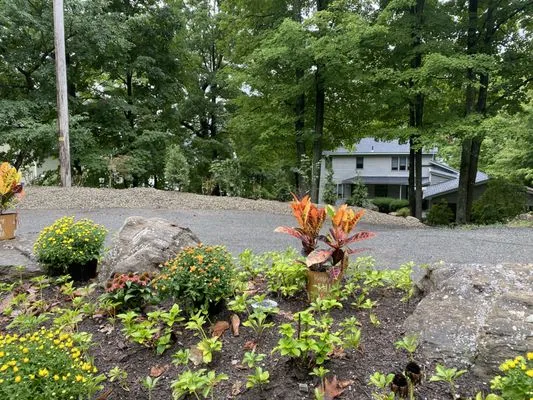
Olsen's Landscaping & Tree Service is a family-owned business serving Greenwood Lake, NY, and surrounding areas for over 15 years. Founded by an owner passionate about horticulture since his school da...
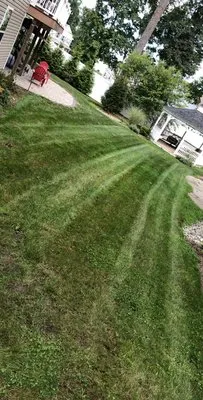
JDM Property Management is a full-service landscaping company serving Greenwood Lake, NY, specializing in comprehensive property care and enhancement. We address common local landscaping challenges li...

Long Pond Tree Service is Greenwood Lake's trusted partner for maintaining beautiful, healthy, and safe outdoor spaces. We understand the unique challenges local homeowners face, from overgrown shrubs...
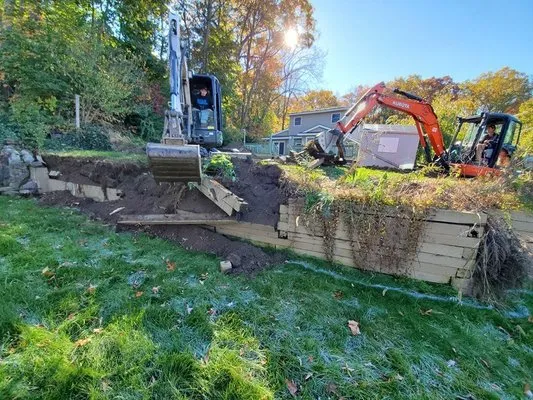
McCarthy Landscaping Plus
At McCarthy Landscaping Plus, we're your Greenwood Lake neighbors dedicated to transforming and maintaining your outdoor space. Our approach is simple: we treat your yard with the same care and attent...
Mow With Joe is a trusted local lawn care provider serving Greenwood Lake, NY. We specialize in comprehensive lawn care services designed to address common local landscaping challenges, such as patchy...
Frequently Asked Questions
Why does my soil seem so compacted and thin compared to the woods?
Your property, like most in the Greenwood Lake Village Center built around 1955, has soil approximately 71 years in development. The site was originally cleared of its native forest and glacial till subsoil was compacted during construction. This acidic glacial till (pH 5.5-6.2) has had limited organic matter input, leading to poor structure and low permeability. Annual core aeration and amendments like composted leaf mulch are non-negotiable to build a mature, healthy soil profile that supports root growth and water infiltration.
How quickly can you respond for an emergency storm cleanup to meet HOA deadlines?
For an urgent HOA compliance or safety issue like downed limbs, our dispatch from the Thomas P. Morahan Waterfront Park area uses NY-17A for primary access. During peak traffic conditions, we plan for a 45-60 minute response window. Our electric fleet operates within the local noise ordinance (8:00 AM - 7:00 PM weekdays), allowing for immediate, quiet deployment. We prioritize triage to clear hazards and document the site for any necessary follow-up permitting with the Town of Warwick Building Department.
My yard stays soggy for days after rain. What's the long-term fix?
Persistent sogginess indicates the poor infiltration characteristic of our acidic glacial till and a high seasonal water table. The solution is a two-part system: first, install subsurface French drains or dry wells to intercept groundwater. Second, replace impervious surfaces with permeable pavements, such as open-jointed bluestone pavers set on a gravel base. This combination increases site permeability and can help your project meet the Town of Warwick's updated stormwater runoff standards for new hardscapes.
What are the biggest weed threats here, and how do I deal with them safely?
Invasive species like Japanese Knotweed, Mugwort, and Garlic Mustard are prevalent threats in our area. Manual removal and smothering with heavy cardboard and mulch are the first lines of defense. For persistent problems, targeted, EPA-registered herbicide applications by a licensed professional may be necessary. All treatments must comply with the NYS Dishwater Detergent and Nutrient Runoff Law, which prohibits phosphorus and requires careful timing to avoid runoff into Greenwood Lake, especially during seasonal blackout dates.
What permits and credentials should I verify before hiring for a major grading project?
Any significant regrading on a 0.35-acre lot that alters water flow or involves retaining walls over certain heights requires a permit from the Town of Warwick Building Department. Crucially, the contractor must hold appropriate licensing through the New York State Department of State. This ensures they carry the required insurance and understand state environmental regulations. Always request the license number and verify it online before work begins to protect your property and comply with local law.
I'm tired of weekly mowing. What are lower-maintenance options?
Transitioning high-input turf areas to a climate-adapted landscape is a forward-thinking strategy. Incorporate layers of native shrubs like Highbush Blueberry and understory trees like Eastern Redbud, underplanted with perennials such as Purple Coneflower and Wild Bergamot. This diverse planting requires no weekly mowing, minimal watering once established, and provides critical habitat. It also future-proofs your property against evolving noise ordinances that restrict gas-powered blowers and mowers.
Is bluestone or pressure-treated wood better for a new patio?
Bluestone pavers offer superior longevity and lower lifetime maintenance compared to wood, which requires periodic sealing and eventual replacement. In our USDA Zone 6b climate with freeze-thaw cycles, properly installed bluestone on a compacted gravel base will not rot, warp, or attract insects. From a Fire Wise perspective, the non-combustible stone also contributes to the required defensible space in our Moderate (WUI Zone 2) rating area, creating a safer barrier near your home.
Can I have a green lawn while following the village's water conservation rules?
Yes, effective irrigation hinges on precision, not volume. Greenwood Lake's Stage 1 voluntary conservation status aligns with using Wi-Fi ET-based smart controllers. These systems use local weather data to apply water only when your Kentucky Bluegrass and Fine Fescue blend actually needs it, reducing waste by 20-40%. This technology prevents overwatering into our seasonally high water table. Properly managed, this approach maintains turf health while keeping your usage well within recommended municipal limits.
