Top Landscaping Services in Greenport, NY, 12172 | Compare & Call

Velasquez Landscaping & Masonry is a trusted, locally-owned contractor serving Greenport and the surrounding North Fork communities. For over 19 years, we've been helping homeowners and businesses bui...
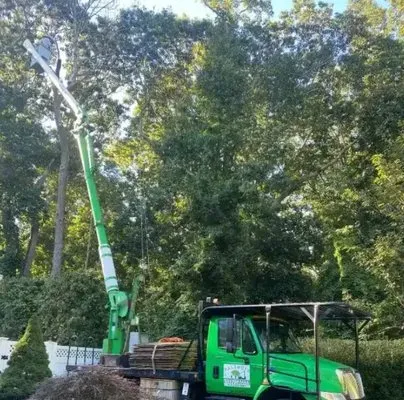
Palencia Landscaping and Tree Service Inc. is a licensed, locally-owned company serving Greenport, NY, and surrounding communities. With years of hands-on experience, our team specializes in comprehen...

Sound Side Landscape Construction
Sound Side Landscape Construction is your dedicated, full-service landscape partner serving Greenport and the surrounding North Fork. We operate with two specialized crews to manage every aspect of yo...
Masin Landscaping & General Maintenance is a trusted, locally-owned landscaping service dedicated to keeping Greenport properties healthy and beautiful. We understand the unique challenges of the Nort...
Island Arbor Care is your trusted, local tree service and landscaping partner in Greenport, NY. We understand the unique challenges homeowners face on the North Fork, from sprinkler leaks that waste w...
Questions and Answers
Is bluestone better than wood for a new patio near the coast?
Permeable bluestone pavers offer superior longevity and performance in Greenport's coastal climate compared to wood. Bluestone is salt-tolerant, does not rot or warp, and its inherent permeability reduces runoff, a key consideration for local codes. While the initial cost is higher, its lifespan is measured in decades with minimal maintenance. In terms of Firewise planning, its non-combustible nature contributes to defensible space, though the village's low rating makes this a secondary benefit here.
How do we keep our Kentucky Bluegrass lawn green during Stage 1 water restrictions?
Wi-Fi ET-based weather-sensing irrigation is the precise tool for voluntary conservation. The system automatically adjusts watering schedules based on real-time evapotranspiration data, applying water only when the lawn needs it and skipping cycles after rain. This method can reduce water use by 20-30% compared to traditional timers, keeping the Bluegrass and Fine Fescue blend healthy within municipal guidelines. Deep, infrequent watering cycles also encourage deeper root growth, enhancing drought tolerance.
Our soil feels compacted and tired. Does the age of our house affect the dirt?
A house built in 1938 indicates the soil has been undisturbed for nearly 90 years, leading to significant compaction and a likely depletion of organic matter. In the Greenport Village Historic District, the sandy loam pH of 6.2-6.8 is naturally well-draining, but decades of foot traffic and traditional lawn care have reduced its permeability. Restoring health requires core aeration to relieve compaction, followed by amending with compost to rebuild the soil food web and improve water retention.
We see invasive vines and weeds. How can we treat them without breaking the fertilizer law?
For invasive species like porcelain-berry or mugwort, mechanical removal is the first line of defense, especially during the Suffolk County nitrogen application blackout period from May 1 to November 1. For persistent perennials, a targeted, systemic herbicide applied to the foliage in early fall, when natives are dormant, can be effective and compliant. Always prioritize restoring the area with aggressive native groundcovers to outcompete future invasions, which builds soil health without synthetic inputs.
What permits and licenses are needed to regrade our quarter-acre property?
Regrading a 0.25-acre lot typically requires a permit from the Village of Greenport Building Department, especially if it alters drainage patterns or involves significant soil movement. The contractor performing the work must hold the appropriate Home Improvement license from the Suffolk County Department of Consumer Affairs. For projects near the coastal erosion hazard area, additional review may be necessary. Proper licensing ensures the work meets engineering standards for stability and runoff management, protecting your investment and the neighborhood.
We want a lower-maintenance, quieter yard. Are native plants a good alternative to grass?
Transitioning to a landscape anchored by Coastal Panic Grass, Beach Plum, and Butterfly Milkweed directly addresses maintenance and noise concerns. These adapted species require no fertilization, minimal watering once established, and no weekly mowing, aligning with future restrictions on gas-powered equipment. A layered planting of New York Aster and other natives provides seasonal interest and critical habitat, creating a resilient system that manages water effectively and stays ahead of evolving local ordinances.
A storm damaged trees and scattered debris. How fast can a crew get here for an emergency cleanup?
For urgent storm response, a dispatched crew from the Greenport Harbor area can typically reach properties within the village in 45-60 minutes during peak conditions. The route via NY-25 is the primary access, though storm debris may cause minor delays. We prioritize securing hazardous limbs and clearing pathways first, with a full debris removal and assessment following. All work complies with the local 8am-6pm noise ordinance for necessary gas-powered equipment.
Our yard pools water and we're worried about coastal erosion. What's a good drainage solution?
Seasonal water table fluctuation and erosion are common with sandy loam. The primary strategy is to manage surface runoff before it concentrates. Installing permeable bluestone pavers for patios or walkways allows rainwater to infiltrate directly, reducing flow velocity and meeting Village of Greenport runoff standards. For chronic pooling, a French drain system tied to a dry well can intercept subsurface water. These approaches work with the soil's percolation rate to mitigate erosion and saturation.
