Top Landscaping Services in Great Neck, NY, 11020 | Compare & Call
There are 207 landscaping companies server in Great Neck NY
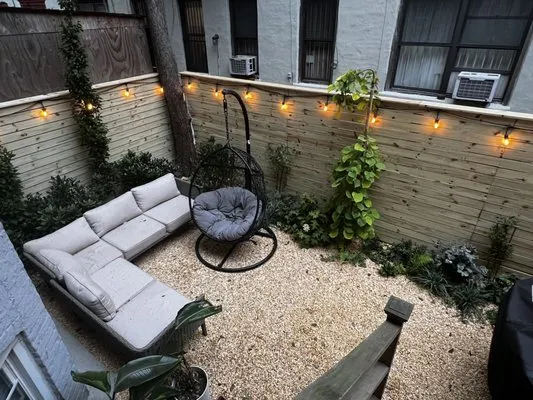
Native NY Gardens is a Brooklyn-based landscaping company founded on friendship and a deep commitment to local ecology. Co-founded by three high school friends who honed their skills at other firms, t...
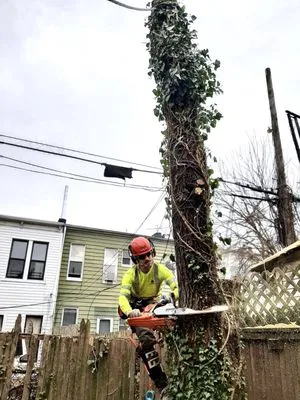
Arborpolitan Tree & Garden Care
Arborpolitan Tree & Garden Care is a Brooklyn-based, ISA-certified arboriculture firm founded in 2010 to nurture New York City's urban green spaces with natural, holistic methods. Our mission is to br...
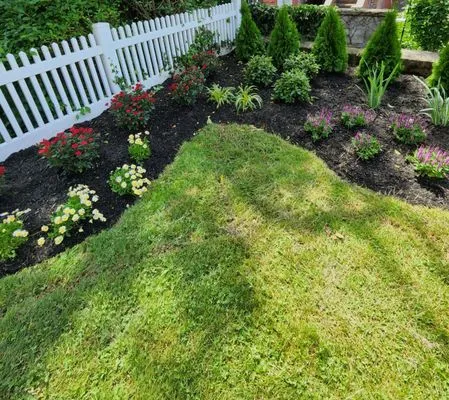
JC Landscaping & Design
JC Landscaping & Design has been a trusted name in Queens, Brooklyn, and Long Island since 2002. As a licensed landscape design and architecture firm, we specialize in creating personalized outdoor en...
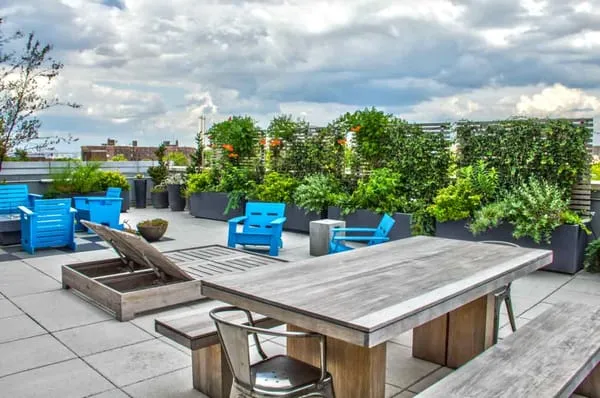
Greenery NYC is a Brooklyn-based botanic design company founded in 2010 by Rebecca, a former Brooklyn Botanic Garden employee and accomplished botanic artist. Rooted in the belief that connecting urba...
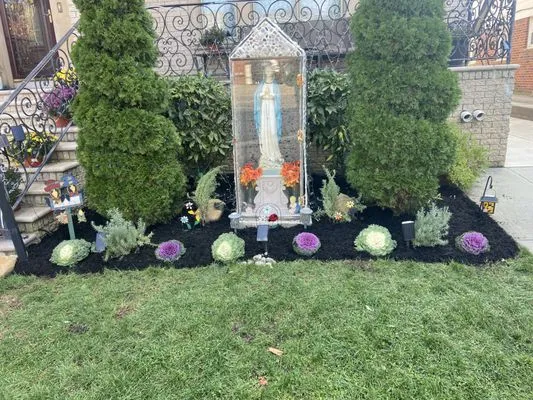
Founded in 2017 by Nicholas, a Queens local with a lifelong passion for the outdoors, Grass-Hoppers Landscaping is built on a foundation of hands-on experience and a deep appreciation for nature. Nich...
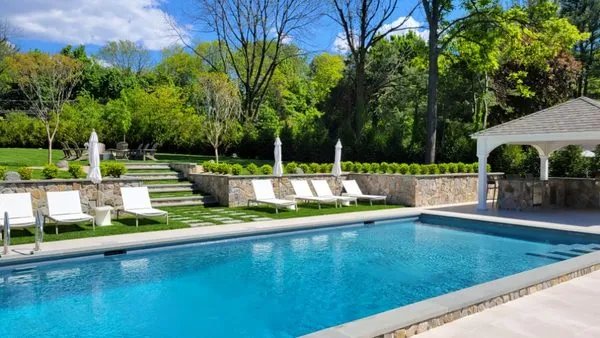
Design and Build Landscape
Design and Build Landscape is a Massapequa-based landscape architecture and construction firm serving Nassau and Suffolk counties. Founded and led by award-winning landscape architect Lance Elliott, w...

Blondie's Treehouse
Founded in 1979 by Howard Freilich, Blondie's Treehouse began as a one-person operation and has grown into a nationally recognized horticultural firm based in New York, NY. Known for award-winning des...

Outside Space NYC
With over 25 years of experience, including 15 years in New York, Outside Space NYC is a Brooklyn-based landscape design company and garden center. We specialize in urban garden design, installation, ...
For over 23 years, JG Landscaping has been rooted in the Jamaica, Queens community, transforming outdoor spaces across New York City and Long Island. Founded on the principle of harmonizing natural be...
Long Island Lawn & Irrigation
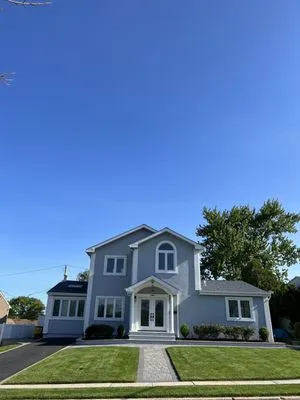
Long Island Lawn & Irrigation is a Bethpage-based landscaping and irrigation company founded in 2010, built on over 18 years of hands-on experience. As the working owner, I'm directly involved in ever...
Estimated Landscaping Service Costs in Great Neck, NY
Question Answers
How quickly can you respond to an emergency like a storm-downed tree?
For an HOA compliance or emergency cleanup event, our dispatch from Steppingstone Park uses I-495 (Long Island Expressway) for primary access to Great Neck Estates. Peak traffic conditions can extend travel to 45-60 minutes. Our fleet utilizes electric chippers and haulers, which comply with local noise ordinances and allow for rapid, unimpeded mobilization during restricted hours.
How should I deal with invasive vines like English Ivy without chemicals?
Manual removal is the primary defense for invasives; cut vines at the base and carefully peel matted growth from trees and structures. Any subsequent soil amendment or seeding to repair disturbed areas must comply with the Nassau County Nitrogen Fertilizer Law, which prohibits synthetic nitrogen application from November 1 to April 1. Use only compost or organically-approved biostimulants during the blackout period.
What's the best solution for seasonal puddling in my yard?
Localized flooding is common here due to the high coastal water table and the low permeability of compacted sandy loam. A strategic solution involves replacing impervious surfaces with permeable concrete pavers or bluestone set in a gravel base. This meets Great Neck Village Building Department runoff standards by allowing infiltration, and can be integrated with a French drain system to redirect subsurface water away from foundations.
Are bluestone patios a good long-term investment compared to wood?
Bluestone and permeable concrete pavers offer superior longevity and lower lifetime maintenance than wood decks, which require regular sealing and are susceptible to rot. In our low Fire Wise rating suburban density, these non-combustible materials also contribute to defensible space. Their inherent durability and permeability make them a technically sound choice for Great Neck's climate and drainage profile.
Why does my soil seem compacted and lifeless?
Great Neck Estates properties, with an average house built in 1953, have 73-year-old landscaping soil. The native acidic sandy loam has likely been repeatedly compacted by decades of foot traffic and equipment, degrading its structure. This soil type benefits greatly from annual core aeration in fall and top-dressing with compost to rebuild organic matter, improve percolation, and support a healthy mycorrhizal network.
Is there a lower-maintenance alternative to my high-input lawn?
Transitioning perimeter areas to a xeriscape of zone 7b natives like Eastern Redbud, Sweet Pepperbush, Butterfly Weed, and New England Aster significantly reduces water, fertilizer, and maintenance needs. This biodiversity-focused planting is resilient, supports pollinators, and minimizes the need for gas-powered blowers, aligning with future-proofing against tightening seasonal noise and emissions ordinances.
What permits and credentials are required for regrading my property?
Regrading a 0.25-acre lot in Great Neck Estates typically requires a permit from the Great Neck Village Building Department to ensure proper stormwater management and adherence to grade plans. The contractor must hold appropriate licensing through the Nassau County Department of Consumer Affairs. This is critical for work that alters drainage patterns, as improper grading can create liability by affecting neighboring properties or municipal systems.
How do I keep my lawn green under voluntary water conservation rules?
Stage 1 voluntary conservation in Great Neck is best managed with smart Wi-Fi ET-based controllers paired with in-ground moisture sensors. This system automatically adjusts schedules based on real-time evapotranspiration data and soil conditions. It delivers precise hydration to your Kentucky Bluegrass and Perennial Ryegrass mix, preventing overwatering, reducing runoff into the high water table, and staying well within municipal guidelines.
