Top Landscaping Services in Glenville, NY, 12008 | Compare & Call

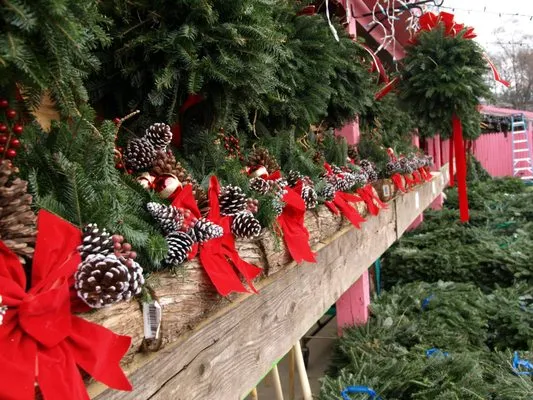
Hewitt's Garden Centers
Hewitt's Garden Centers, a family-owned business with over 60 years of experience serving the Capital Region, is your local expert for lawn, garden, and landscaping needs in Glenville. We provide a co...
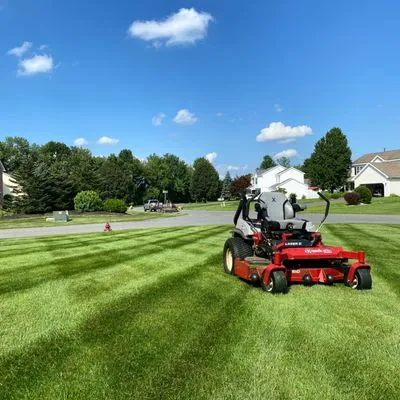
Maggs Lawn & Landscape is a locally owned and operated landscaping company serving Glenville, NY, and surrounding Schenectady and Saratoga counties for over a decade. We specialize in comprehensive ou...
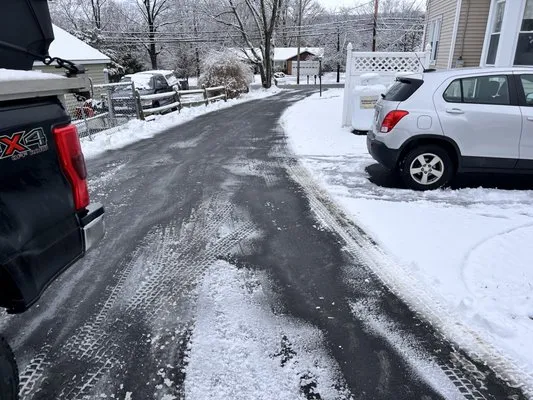
Pavilion Landscape Management
Pavilion Landscape Management is a Glenville-based landscaping company dedicated to transforming outdoor spaces for both residential and commercial properties. We focus on building lasting client rela...
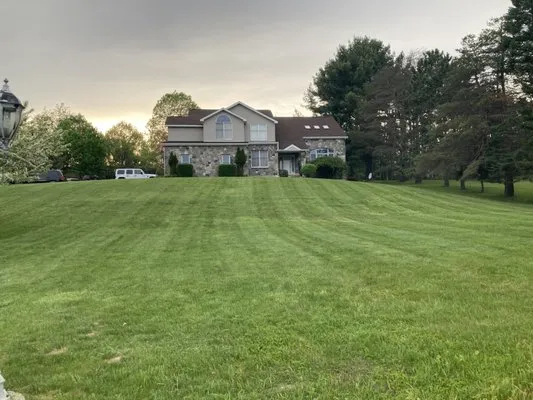
ScotiaGlenville Lawncare is a locally owned and operated lawn care service dedicated to helping Glenville, NY homeowners achieve and maintain a healthy, even lawn. We understand the common local chall...
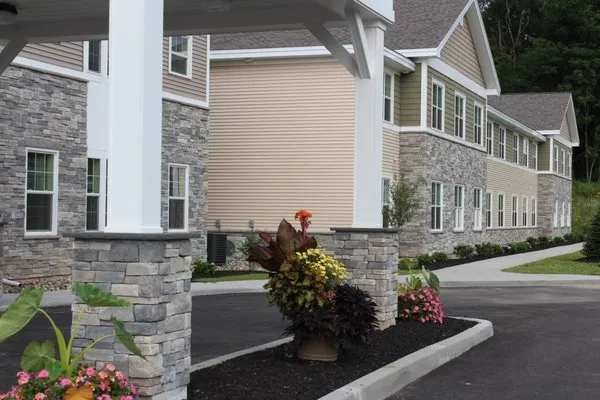
Landmark Design & Installation
Landmark Design & Installation is a family-owned and operated business based in Glenville, NY, with over a decade of experience serving both residential and commercial clients across the Capital Regio...
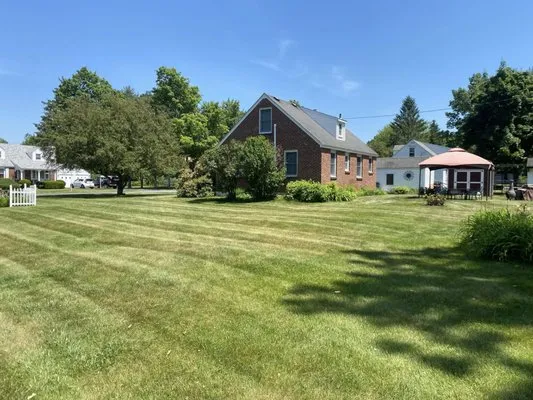
Green Leaf is a trusted lawn and tree service provider serving Glenville, NY, and surrounding areas. We specialize in comprehensive lawn care and expert tree services, including tree planting, pruning...
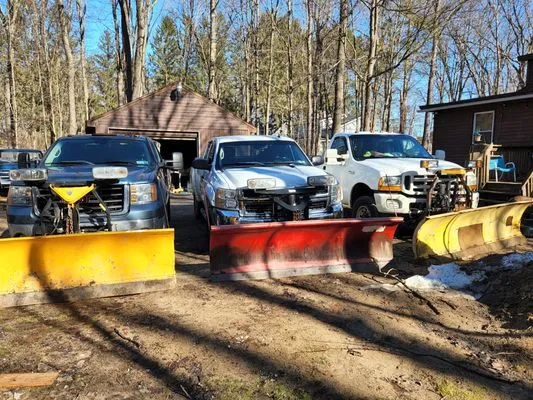
Birch's Landscaping
Birch's Landscaping is a trusted local landscaping company serving Glenville, NY, specializing in landscape design, lawn care, and tree services. With a focus on practical solutions and year-round mai...
Q&A
Why does my Glenville lawn struggle despite regular care?
Maalwyck Park District properties built around 1966 have acidic silt loam soil that has matured for 60 years. This soil type tends to compact, reducing oxygen availability to roots and limiting water infiltration. Core aeration every 2-3 years improves soil structure by creating channels for air, water, and nutrients. Adding organic amendments like composted leaf mold increases microbial activity and cation exchange capacity, addressing the pH 6.2 acidity while enhancing soil tilth.
What low-maintenance alternatives exist for traditional turf grass?
Replacing high-maintenance turf with native plant communities reduces water needs by 60-70% while supporting local biodiversity. Eastern Redbud, Purple Coneflower, Switchgrass, and Swamp Milkweed provide year-round interest with minimal inputs. These species establish deep root systems that improve soil structure and require no gas-powered blowers, aligning with Glenville's noise ordinance restrictions. Xeriscaping principles adapted for USDA Zone 5b create resilient landscapes that thrive without synthetic fertilizers or weekly mowing.
How should I handle invasive plants without harming my garden?
Japanese knotweed and garlic mustard pose significant threats in Glenville's acidic soils, requiring mechanical removal before seed set in early summer. Manual extraction with root removal tools prevents chemical runoff into the Mohawk River watershed. Treatment timing avoids New York State Phosphorus Runoff Prevention Act blackout dates from November 1st to April 1st. Post-removal soil amendments with mycorrhizae inoculants restore microbial balance without violating fertilizer ordinances.
How quickly can you respond to storm damage for HOA compliance?
Emergency cleanup crews dispatch from Collins Park via NY-5, reaching Maalwyck Park District within 20-30 minutes during peak hours. We prioritize safety assessments of downed limbs and structural hazards before debris removal. Electric-powered equipment operates within Glenville's 7AM-9PM noise ordinance, allowing extended work windows without disturbance. Documentation for insurance claims and HOA reporting is provided within 24 hours of service completion.
Which patio materials offer durability in our climate?
Bluestone and concrete pavers withstand freeze-thaw cycles better than wood, with 30+ year lifespans versus wood's 10-15 years. These non-combustible materials maintain Glenville's Low Fire Wise Rating by creating defensible space around structures. Proper installation with 4-6 inches of compacted gravel base prevents heaving in USDA Zone 5b winters. Sealing every 3-5 years preserves surface integrity while allowing necessary permeability for stormwater management.
What solutions address seasonal ponding in my yard?
Moderate seasonal high water tables in acidic silt loam soils require improved permeability through subsurface drainage. Installing French drains with clean gravel and perforated pipe at 18-24 inch depths redirects groundwater away from foundations. Bluestone pavers set with permeable jointing sand allow 80-90% water infiltration, meeting Town of Glenville Building Department runoff standards. Grading adjustments with 2% slope away from structures prevent surface water accumulation during spring thaw periods.
What regulations apply to landscape renovations on my property?
Grading work on 0.35-acre lots requires permits from the Town of Glenville Building Department when altering drainage patterns or adding impervious surfaces. Contractors must hold current licensing through the New York State Department of State Division of Licensing Services for projects exceeding $500 in value. Soil disturbance near property lines may trigger survey verification requirements. Professional landscape architects provide stamped plans for structural elements exceeding 24 inches in height, ensuring compliance with setback regulations.
How do I maintain my lawn during dry periods without violating water restrictions?
Smart Wi-Fi ET-based controllers adjust irrigation schedules using real-time evapotranspiration data from local weather stations. These systems reduce water use by 20-30% compared to traditional timers while preserving Kentucky Bluegrass and Fine Fescue mixes. During Glenville's Stage 0 water restriction status, programming deeper, less frequent watering encourages root development down to 8-10 inches. Soil moisture sensors prevent irrigation during rainfall events, ensuring compliance with municipal water conservation guidelines.
