Top Landscaping Services in Glen Oaks, NY, 11004 | Compare & Call
There are 205 landscaping companies server in Glen Oaks NY

Port Jefferson
Port Jefferson is a licensed and insured landscaping and construction company serving Nassau and Suffolk counties on Long Island, NY. We specialize in comprehensive landscape design, installation, and...
L M Irrigation is a Malverne-based company specializing in irrigation, landscaping, and snow removal services for Long Island residents. With decades of experience, we focus on efficient, clean instal...
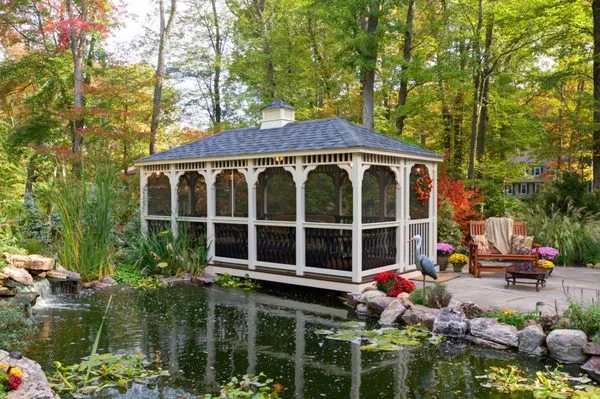
Designscapes of Long Island
For over 35 years, Designscapes of Long Island has been a trusted name in East Patchogue, creating beautiful and functional outdoor spaces across Nassau and Suffolk Counties. Founded in 1985 by Dan St...
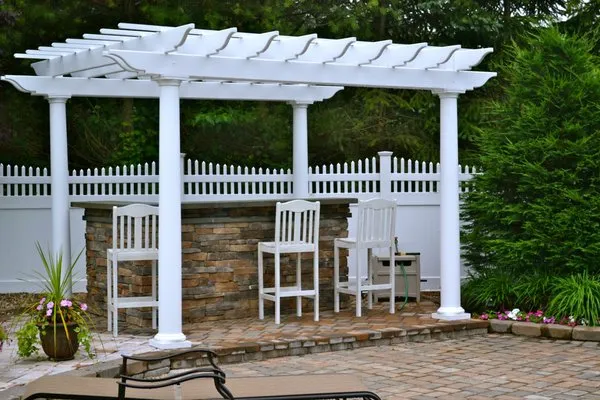
Carl Bongiorno & Sons
For over 40 years, Carl Bongiorno & Sons has been the trusted name for landscaping, masonry, and snow removal in East Setauket and across Long Island. As a family-owned and operated business, we under...
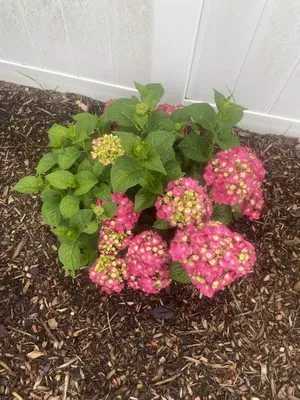
The Natural Way Organic Landscaping Inc. is a trusted Islip Terrace Landscaping company with deep roots in the community, having served Long Island since 1989. Our approach is built on a commitment to...
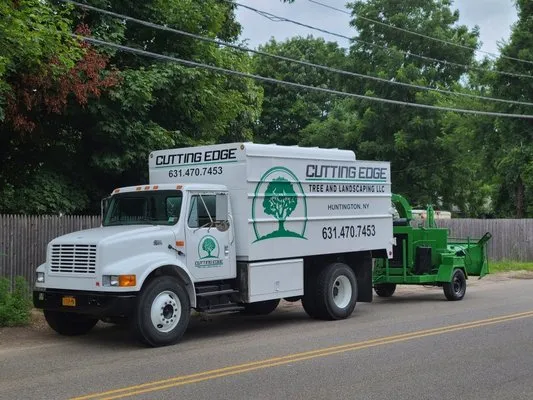
Cutting Edge Tree and Landscaping has been the trusted provider of tree and landscape services for Huntington, NY, and the surrounding Long Island communities for over 15 years. We understand the uniq...
Coast II Coast Lawn Care is a trusted, full-service landscaping company serving the Moriches, NY community. We understand the unique challenges Long Island homeowners face, such as persistent lawn fun...
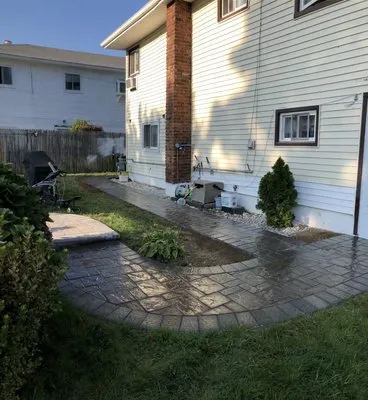
JC Landscape & Masonry is your trusted, full-service partner for enhancing Medford, NY properties. We specialize in durable masonry and comprehensive landscaping solutions tailored to our local enviro...
Gio's General Lawn Service is your trusted, local lawn and tree care specialist in Wading River, NY. We understand the unique challenges homeowners face in our area, from storm debris cleanup after se...
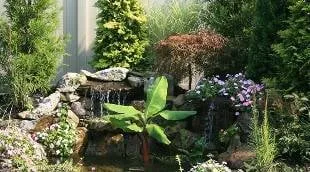
Long Island Landscape Designs
Long Island Landscape Designs has been a trusted, family-owned resource for Port Jefferson Station homeowners since 2001. We build lasting relationships by working closely with you from the initial fr...
Estimated Landscaping Service Costs in Glen Oaks, NY
FAQs
Are concrete pavers a better long-term choice than wood for our patio?
Concrete pavers offer superior longevity and lower lifecycle maintenance compared to wood, which requires regular sealing and is susceptible to decay. In Glen Oaks' low Fire Wise rating urban setting, non-combustible pavers also contribute to defensible space. Their modular design allows for permeability when installed with appropriate base materials, addressing runoff concerns. For durability and compliance with modern landscaping infrastructure standards, pavers are the technically sound selection.
What should we do about invasive weeds like Japanese Knotweed without using harsh chemicals?
Invasive species like Japanese Knotweed require a targeted, multi-year management plan. Manual removal and solarization are initial steps. Any herbicide application must use phosphorus-free formulas to comply with NYS nutrient runoff law and avoid restricted blackout dates. Introducing competitive native plants and applying organic, mycorrhizae-inoculated mulch in mid-April helps suppress regrowth by improving soil ecology and denying invasives sunlight and space.
Do we need a permit to regrade our small backyard, and what type of contractor is qualified?
Yes, regrading that alters drainage patterns or involves significant earth movement on a 0.12-acre lot typically requires a permit from the NYC Department of Buildings. The work must be performed by a licensed professional holding appropriate credentials from the New York State Department of State, Division of Licensing Services. This ensures adherence to grading plans that manage stormwater runoff, a critical compliance issue for properties in our watershed with existing ponding hazards.
How do we keep our lawn green during summer without breaking water rules?
Under NYC's Stage 1 voluntary conservation, smart Wi-Fi ET-based irrigation is essential. This system uses local weather data to apply only the water lost to evapotranspiration, preventing overwatering. For your Kentucky Bluegrass and Tall Fescue blend, this typically means deep, infrequent cycles that encourage drought-tolerant root growth. Properly calibrated, this technology can reduce potable water use by 20-30% while maintaining turf health within municipal limits.
We get seasonal ponding in our yard. What's a lasting solution?
Localized ponding is common in Glen Oaks due to moderate runoff on compacted, acidic sandy loam, which has variable permeability. A graded French drain system can intercept and redirect subsurface water. For hardscape areas, replacing impervious surfaces with permeable concrete pavers increases infiltration, often a requirement for NYC DOB approval on drainage projects. These strategies mitigate pooling by improving the soil's hydraulic capacity and managing surface flow.
We need an emergency cleanup after a storm to meet HOA rules. How fast can you get here?
Our electric fleet is dispatched for priority compliance work. From our staging near the Glen Oaks Library, we take the Grand Central Parkway to your location in Glen Oaks Village. Accounting for peak traffic, we maintain a 25 to 40 minute response window. Crews arrive with battery-powered equipment that complies with NYC noise codes, allowing immediate work without violating seasonal decibel limits on gas-powered tools.
Our soil is so compacted and dry. What's the underlying cause in our neighborhood?
Glen Oaks Village was developed in 1954, resulting in 72-year-old residential soil. Construction practices from that era typically stripped topsoil, leaving acidic sandy loam subsoil that has been compacted by decades of foot traffic and maintenance. This pH 6.2 soil has low organic matter, reducing water retention and root penetration. Core aeration followed by amending with composted leaf mold is required to rebuild soil structure and support healthy turf or native plantings.
Is there a lower-maintenance, eco-friendly alternative to our current lawn?
Transitioning high-input turf to a climate-adaptive xeriscape with regionally native plants is recommended. Species like Eastern Redbud, Sweet Pepperbush, Butterfly Milkweed, and New England Aster are adapted to Zone 7b and acidic soils, requiring minimal irrigation once established. This shift reduces mowing frequency and eliminates the need for gas-powered leaf blowers, aligning with tightening NYC noise ordinances and supporting 2026 biodiversity standards for urban pollinators.
