Top Landscaping Services in Genesee, NY, 14715 | Compare & Call

There are 193 landscaping companies server in Genesee NY
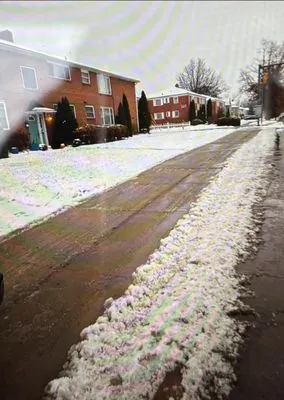
Slaughter's Landscape and Snow Plowing is a trusted, locally-owned and operated business serving Buffalo, NY, and the surrounding communities. We provide comprehensive, year-round solutions to protect...
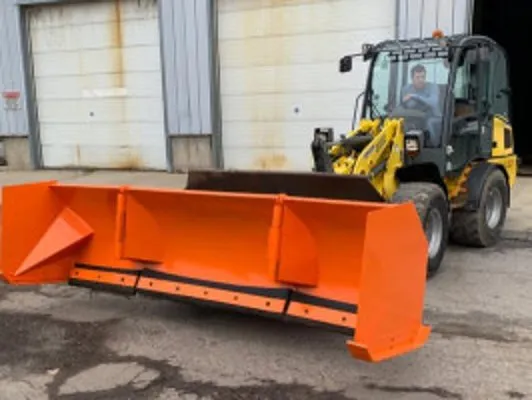
Buffalo Snowplowing & Lawn Care is a family-owned business serving Buffalo, NY and the surrounding region with reliable, year-round property maintenance solutions. With over two years of operation, we...
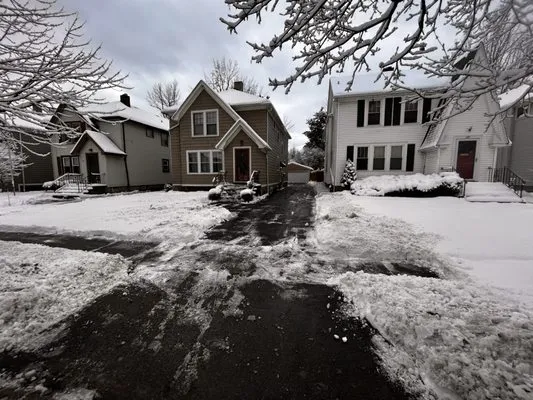
Rose Lawn Care & Snow Removal is a trusted local provider in Buffalo, NY, specializing in comprehensive lawn care and reliable snow removal services. With a focus on quality and attention to detail, w...
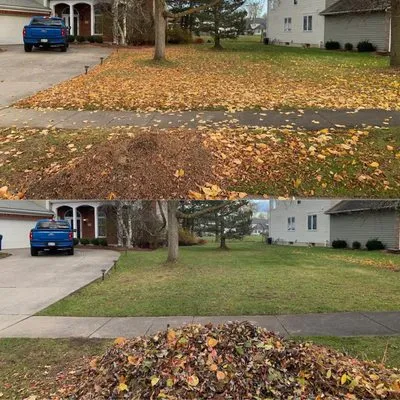
Buffalo Landscaping Brothers is a family-owned and operated business serving Tonawanda, Kenmore, and Amherst. Founded by local brothers, this startup is built on a commitment to reliable, hands-on ser...
Olson Design & Restoration
At Olson Design & Restoration in Buffalo, NY, we bring a lifelong dedication to plants and a deep knowledge of our local environment to every project. Our team combines years of hands-on field experie...
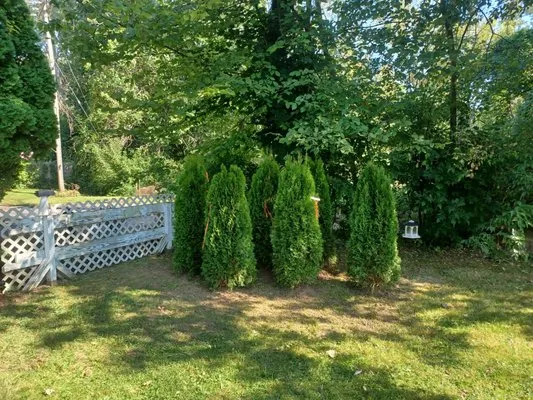
Buffalo Landscape Solutions and Home Services
Buffalo Landscape Solutions and Home Services is a Depew-based, full-service landscaping company dedicated to enhancing and protecting Western New York properties. We specialize in a comprehensive ran...
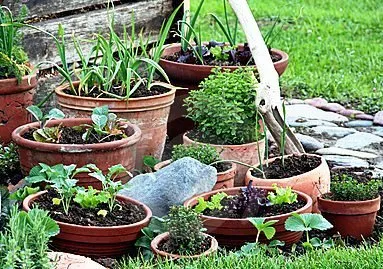
Grabber & Sons Landscaping and Nursery
Grabber & Sons Landscaping and Nursery is a trusted, family-owned business serving Cheektowaga and Western New York for over 25 years. As a full-service provider, we handle everything from seasonal sn...
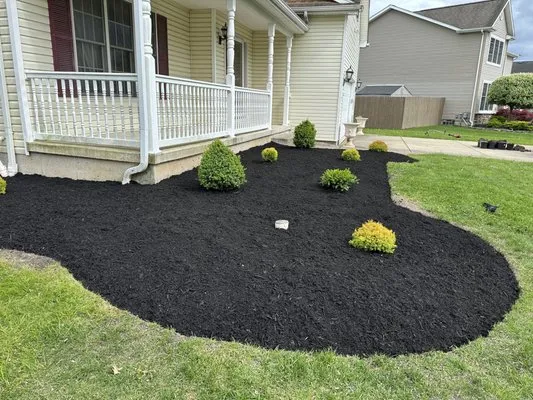
JD Landscaping & Snowplowing
JD Landscaping & Snowplowing is a trusted, family-owned company that has been proudly serving Buffalo, NY, and the Getzville community since 2015. We provide 24/7 residential and commercial services, ...
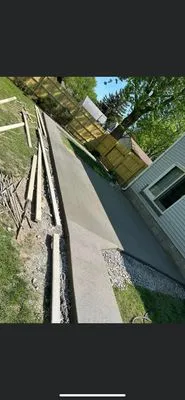
For over 15 years, DB's Landscaping and Lawn Care has been a trusted partner for homeowners in East Amherst and the greater Buffalo area. Our commitment is straightforward: deliver quality craftsmansh...
Elbers Landscape Service is a family-owned Buffalo institution with deep roots in Western New York's horticultural history. Founded in 1919 by Henry H. Elbers, who previously served as superintendent ...
Estimated Landscaping Service Costs in Genesee, NY
Question Answers
What invasive species should I watch for, and how do I treat them?
Be vigilant for Japanese Knotweed, Garlic Mustard, and Tree-of-Heaven, which thrive in disturbed soils. Manual removal before seed set is most effective. For chemical control, select herbicides carefully to avoid violating the New York State Phosphorus Law, which restricts most fertilizer applications. Treatments should be timed outside of any local blackout dates and applied precisely to target species to protect surrounding native plantings and soil biology.
With no water restrictions, is a smart irrigation system still necessary?
Absolutely. While Genesee has an abundant regional water supply, efficient use remains an ecological and economic priority. Soil-moisture sensor-based smart controllers prevent overwatering by applying water only when the root zone of your Kentucky Bluegrass and Fine Fescue mix requires it. This ET-based approach maintains turf health while conserving thousands of gallons annually, staying well ahead of any future municipal limits and preventing the poor infiltration issues caused by our clay subsoils.
How fast can you respond for an urgent HOA compliance issue or storm damage cleanup?
For urgent needs like storm debris or HOA compliance, our crew can be dispatched from Genesee Valley Park. Taking I-390 provides the most direct route into the Historic District, allowing for a 20-30 minute arrival during peak conditions. We prioritize triage to secure the property, clear hazards, and begin debris documentation. This rapid response is calibrated to the municipal noise ordinance, ensuring all work falls within the permitted 8:00 AM to 8:00 PM window.
How can I reduce constant mowing and gas-powered maintenance?
Transitioning high-maintenance turf areas to a climate-adaptive xeriscape is key. Strategically planting natives like Purple Coneflower, Butterfly Milkweed, Little Bluestem, Joe Pye Weed, and Wild Bergamot requires minimal mowing, no supplemental irrigation, and no synthetic inputs. This shift reduces fuel consumption, aligning with the city's transition toward quieter electric equipment and future gas-blower restrictions under the noise ordinance.
Is bluestone or composite wood better for a new patio?
For longevity and low maintenance in our Zone 6b climate, bluestone or permeable concrete pavers are superior. Unlike wood, which requires sealing and deteriorates, stone is permanent and integrates with the site's natural aesthetics. From a Firewise perspective, which in this urban setting focuses on debris clearance, non-combustible stone provides critical defensible space immediately adjacent to the home, a consideration for any future risk assessment.
What permits and credentials are needed for regrading my yard?
Any significant regrading on a 0.22-acre lot that alters stormwater flow requires review by the Genesee County Planning Department. Furthermore, the contractor performing this work must hold appropriate licensing through the New York State Department of State, Division of Licensing Services. This ensures they are bonded, insured, and knowledgeable about state environmental regulations, including the Phosphorus Law, protecting you from liability and substandard work that could exacerbate drainage issues.
My yard has persistent soggy areas. What's the cause and solution?
This is a classic symptom of the seasonal high water table and poor infiltration in our clay subsoils. Surface water cannot percolate down, creating saturated zones. The solution involves improving site permeability. We recommend replacing impervious surfaces with permeable concrete pavers or dry-laid bluestone set in a gravel base. These systems, which may require a review by the Genesee County Planning Department, allow stormwater to infiltrate on-site, directly mitigating the drainage hazard.
Why does my soil in the Genesee Valley Historic District seem so compacted and lifeless?
Lots here were established around 1961, giving the soil approximately 65 years to settle. This age, combined with our neutral to slightly acidic silt loam, has likely led to significant compaction from foot traffic and past maintenance. The underlying clay subsoil common in this area severely restricts water infiltration and root penetration. Core aeration and incorporating organic compost are critical to rebuild soil structure and permeability, allowing your lawn and plants to thrive.
