Top Landscaping Services in Gardiner, NY, 12525 | Compare & Call
There are 168 landscaping companies server in Gardiner NY
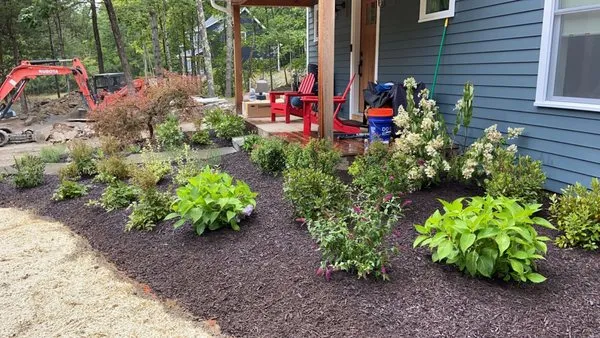
Four Seasons Landscaping RL is a Poughkeepsie-based company serving Dutchess County and surrounding areas with comprehensive landscaping, hardscaping, and cleaning services. Our experienced team speci...

Santini's Landscape is a trusted, locally-owned outdoor services company founded by Steve Santini right here in Ulster County. Starting with a single lawnmower after high school in 2004, Steve has gro...
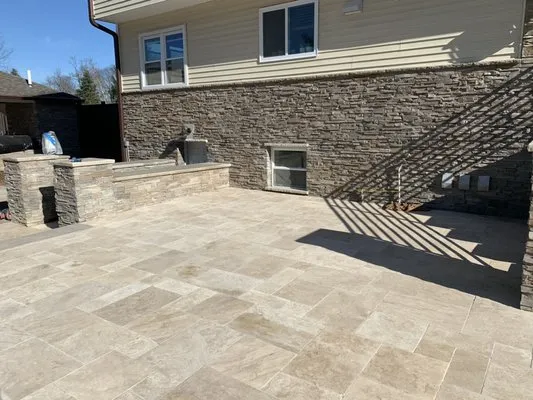
Aztec Construction has been a trusted contractor in Poughkeepsie, NY, for over 15 years, specializing in both interior and exterior projects. We focus on delivering quality work and ensuring customer ...
Bloom Fine Gardening
Bloom Fine Gardening has been a trusted part of the New Paltz community since 2008, founded by a local horticulturalist with a passion for the unique Hudson Valley landscape. Specializing in creating ...
Jansen Lawn Maintenance is a trusted lawn care provider serving New Paltz, NY, and surrounding areas. We specialize in comprehensive lawn care services designed to keep your property healthy and vibra...
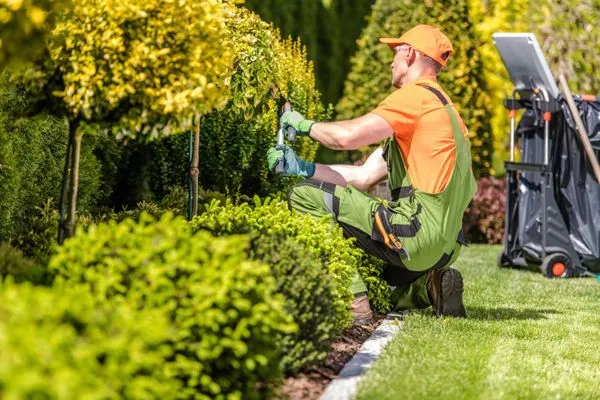
Avila's Landscaping is a locally owned and operated business that has been serving the Walden, NY community for over 15 years. We specialize in comprehensive landscape solutions, from design and const...

Tarzan Treescaping is a family-run, Newburgh-based tree service and landscaping company serving the Hudson Valley for over a decade. Co-owners Anna and Pano bring their international perspectives and ...

JC Cleaners in Saugerties, NY, is a year-round home services business dedicated to simplifying household maintenance for local residents. Instead of juggling multiple contractors, you can rely on one ...
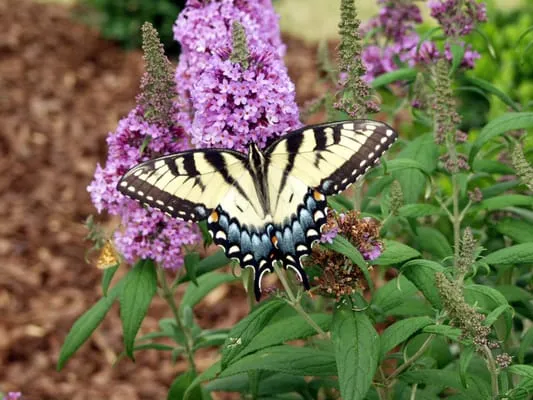
Techmer Nursery
Techmer Nursery has been a trusted part of the New Paltz community since 1974, founded by Horst Techmer who brought his German horticulture education and European green industry experience to the Huds...
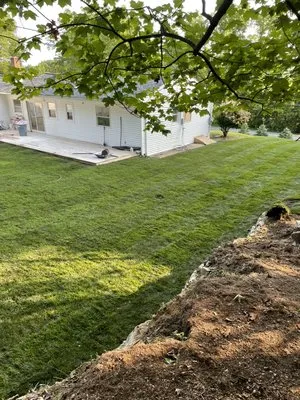
Francisco Landscaping is a trusted local landscaping company serving Kingston, NY, and the surrounding Hudson Valley. We specialize in comprehensive lawn, shrub, and tree care, including gardening, ir...
Estimated Landscaping Service Costs in Gardiner, NY
Questions and Answers
Our soil seems compacted and tired. Is this normal for homes built around here?
Given the average construction date of 1966 in Gardiner Hamlet, your soil is approximately 60 years old. This acidic silt loam (pH 5.5-6.5) is typical for the region but becomes densely compacted over decades from foot traffic and equipment. The underlying clay subsoil severely limits percolation, creating a shallow root zone. Annual core aeration and the incorporation of composted organic matter are necessary to rebuild soil structure and microbial activity for long-term health.
What permits and credentials should we verify before hiring for major grading or landscaping?
Any significant earthwork or structural change on a 1.5-acre lot requires verified licensing and permits. Contractors must hold appropriate credentials through the New York State Department of State, Division of Licensing Services. The Town of Gardiner Building Department issues permits for projects impacting drainage, lot coverage, or setback compliance. Always request proof of both, as unpermitted grading can lead to code violations, erosion control failures, and neighbor disputes.
Is bluestone a good choice for a new patio compared to composite or wood?
Locally quarried Ulster County bluestone is a superior, permanent material. Its density provides exceptional freeze-thaw durability and requires no sealing or chemical treatments, unlike wood. For properties in Gardiner's Moderate Fire Wise zone, bluestone patios and walkways create critical non-combustible defensible space. Its longevity and minimal lifecycle maintenance offer a better return on investment than synthetic composites, which can degrade with UV exposure over time.
A storm brought down branches, and our HOA needs a cleanup report. How fast can you respond?
For emergency compliance cleanups, we dispatch from our staging area near the Gardiner Library. Using NY-44/55, we can typically reach most properties within the Gardiner Hamlet in 45 to 60 minutes during peak response windows. Our electric maintenance fleet operates within the local noise ordinance (prohibited 9:00 PM to 7:00 AM), allowing for early morning mobilization to address time-sensitive issues efficiently and quietly.
How do we keep our Kentucky Bluegrass lawn healthy during dry spells without wasting water?
Gardiner's voluntary conservation status (Stage 0) is best managed with Wi-Fi ET-based irrigation. This technology uses real-time evapotranspiration data from local weather stations to apply only the precise water lost to evaporation and plant use. For your Fine Fescue and Bluegrass mix, this means deep, infrequent watering that promotes drought-tolerant root growth while staying well within municipal guidelines, effectively automating water conservation.
We want to reduce mowing and chemical use. What are ecologically sound alternatives to grass?
Transitioning high-maintenance turf to a native plant community is a forward-looking strategy. Species like Switchgrass, Common Milkweed, Joe-Pye Weed, and New England Aster are adapted to Zone 6a and acidic soils, requiring no fertilization, minimal watering, and infrequent cutting. This xeriscaping approach reduces fuel consumption ahead of tightening noise ordinances on gas equipment and directly supports 2026 biodiversity targets for pollinator and bird habitat.
Our yard has persistent soggy areas every spring. What's the cause and a long-term fix?
This is the seasonal high water table interacting with poorly infiltrating clay subsoils common in our acidic silt loam. Surface water cannot percolate downward, creating saturation. The solution involves subsurface French drains or dry wells to intercept groundwater. For any new patios or walkways, using locally sourced bluestone set in a permeable gravel base can improve surface infiltration and often meets the Town of Gardiner Building Department's updated stormwater runoff standards.
We've spotted invasive Japanese Knotweed. How can it be managed safely and legally?
Japanese Knotweed is a high-priority invasive in our area. Effective control requires a multi-year, systemic herbicide application plan, timed for late summer when the plant translocates chemicals to its roots. All treatments must comply with New York State's Nutrient Runoff Law, which prohibits phosphorus on established lawns and mandates careful application to protect watersheds. Professional licensing ensures proper handling and documentation for such regulated materials.
