Top Landscaping Services in Garden City, NY, 11501 | Compare & Call

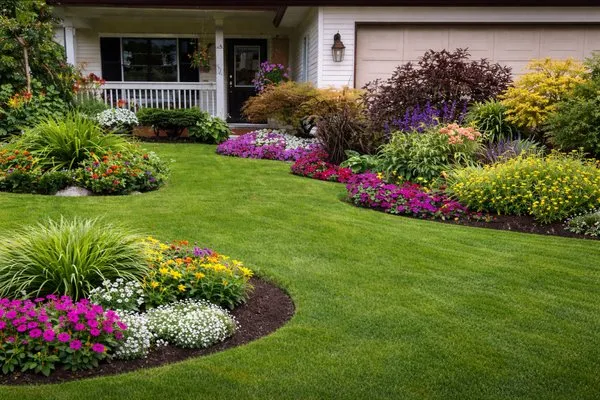
Precision Landscaping & Design Inc. is a locally owned and operated landscaping company serving Garden City and the surrounding Nassau County area. With over nine years of hands-on experience, our tea...
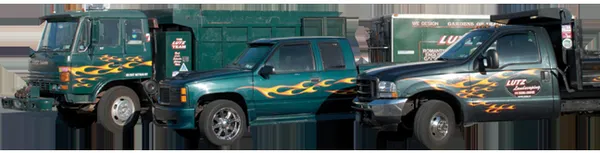
Lutz Lawn Care is a trusted landscaping and design firm serving Garden City, NY, specializing in comprehensive outdoor solutions. We address common local issues like rock garden shifting and sprinkler...
Lawn & Order is a trusted landscaping company serving Garden City, NY, dedicated to solving common local landscaping challenges. Many homeowners in our community face issues like storm debris cleanup ...

The Cutting Edge Landscaping
The Cutting Edge Landscaping is your trusted, full-service partner for Garden City properties. We understand that local homes often face challenges like persistent weed infestations and frustrating ir...
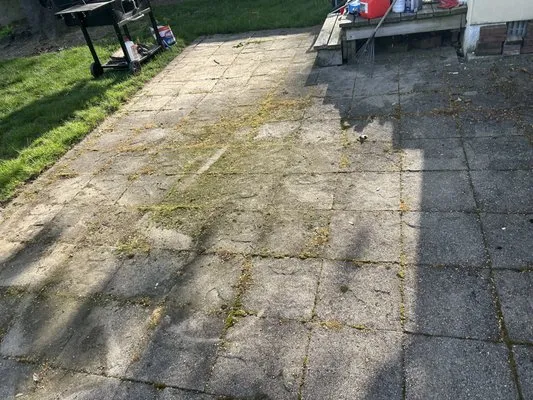
On The Spot is a trusted local service provider in Garden City, NY, specializing in landscaping and pressure washing solutions. We understand the common challenges homeowners face, particularly with y...
Quality Tree Corp is a second-generation, family-owned tree care and landscaping company serving Garden City and the North Shore of Nassau County since 1980. With over 39 years of experience, we provi...
Q&A
What permits and licenses are needed to regrade my property?
Regrading a 0.25-acre lot typically requires a permit from the Garden City Building Department to ensure proper drainage and adherence to lot coverage rules. The contractor must hold appropriate licensing through the New York State Department of State Division of Licensing Services. This is crucial for work affecting soil erosion, stormwater management, or property lines. Unlicensed grading can lead to code violations and long-term drainage liabilities with neighboring properties.
Why does my soil feel compacted and not hold water well?
Residential soil in the Estates Section often matures for 75+ years. Since the average home was built in 1950, the original acidic sandy loam has likely become compacted from decades of traffic and conventional maintenance. This reduces permeability and creates a hydrophobic layer that repels water. Core aeration in spring or fall, paired with organic compost amendments, is critical to rebuild soil structure and enhance moisture retention.
Are bluestone patios a good long-term investment compared to wood?
Bluestone pavers offer superior longevity and lower lifecycle maintenance than wood decking, which requires regular sealing and eventual replacement. In Garden City's low Fire Wise rating urban setting, non-combustible bluestone also contributes to defensible space. Its natural thermal mass moderates patio temperature, and when installed with permeable bases, it addresses drainage concerns without sacrificing the aesthetic cohesion common in the Estates Section.
Is there a lower-maintenance alternative to my traditional lawn?
Transitioning sections of turf to a native plant palette is a forward-looking strategy. Species like Eastern Redbud, Switchgrass, and Butterfly Weed are adapted to Zone 7b conditions, requiring minimal irrigation and no chemical inputs once established. This reduces mowing frequency and eliminates reliance on gas-powered blowers, aligning with evolving noise ordinances and supporting local pollinator biodiversity ahead of regulatory trends.
How fast can you respond for emergency tree work after a storm?
Emergency storm cleanup requires coordinated dispatch. A crew routing from the Garden City Public Library via the Meadowbrook State Parkway can typically reach properties in the Estates Section within the 20-30 minute peak response window. This timeline accounts for post-storm traffic and prioritizes safety assessments for downed limbs or hazardous hanging branches before beginning cleanup operations.
My yard pools water after rain. What are my options?
Moderate runoff on a high groundwater table is common with acidic sandy loam, where subsoil compaction creates poor percolation. Solutions include installing French drains or dry wells to redirect water. For new hardscapes, using permeable bluestone paver systems increases ground absorption and can help projects meet the Garden City Building Department's updated stormwater runoff standards, mitigating local flooding issues.
Can I keep my lawn green under Stage 1 water conservation?
Yes, Stage 1 voluntary conservation is compatible with a healthy turf blend. Smart Wi-Fi controllers equipped with local weather stations and in-ground soil moisture sensors are essential. They schedule irrigation based on real-time evapotranspiration (ET) rates, applying water only when the Kentucky Bluegrass and Fine Fescue blend requires it. This technology prevents overwatering, aligns with municipal goals, and maintains root zone health even during dry spells.
What should I do about invasive weeds without breaking fertilizer laws?
Common invasive alerts for this area include Japanese Knotweed and Mugwort. Treatment focuses on mechanical removal and targeted, professional-grade herbicide applications timed outside the Nassau County Fertilizer Law's blackout periods. This law restricts nitrogen and phosphorus use, but proper invasive species management is exempt. Always combine chemical control with soil health practices, like planting dense native competitors such as Purple Coneflower, to prevent re-establishment.
