Top Landscaping Services in Fulton, NY, 13069 | Compare & Call

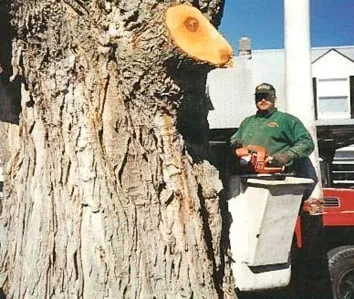
All Pro Tree & Landscaping Service
Since 1978, All Pro Tree & Landscaping Service has been a trusted, family-run name in Fulton and throughout Onondaga and Oswego Counties. Founded by Scott Drake alongside his father, the business is n...

T And A Lawn Care is your trusted local partner in Fulton, NY, specializing in comprehensive lawn services, gutter maintenance, and efficient junk removal. We help Fulton homeowners tackle common land...
Action Tree & Landscaping has been serving Fulton, NY, and the greater Syracuse area since 2016, specializing in comprehensive tree and shrub care alongside landscape maintenance. Our team is dedicate...
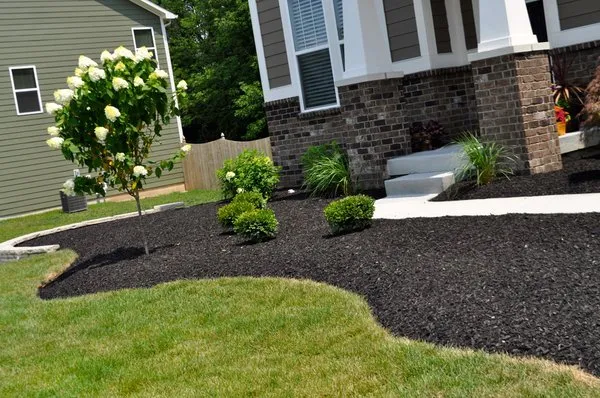
Bellavia Lawn Care & Metal Recovery provides reliable outdoor solutions for homes and businesses in Fulton, NY. We help you build and maintain a healthy, functional landscape, from designing and insta...
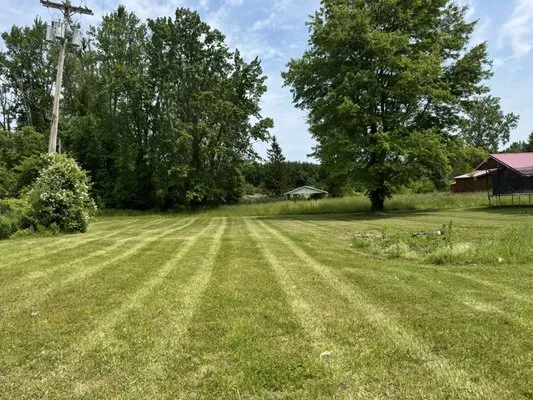
Curtis Landscaping is a family-owned and operated landscaping business serving Fulton, NY, and the surrounding areas. With a commitment to quality and customer satisfaction, we offer a comprehensive r...

Cutting Edge Lawncare is your trusted local lawn care expert in Fulton, NY. We understand that standing water and poor yard drainage are common issues for local homeowners, leading to soggy lawns, mos...
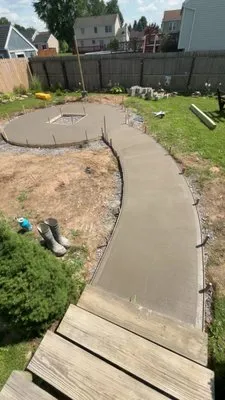
Pinnacle Hardscape and Concrete
Pinnacle Hardscape and Concrete is an owner-operated masonry and landscaping business serving Fulton, NY, and the surrounding areas. Specializing in driveway and walkway construction, retaining walls,...

Zap Bean is a Fulton-based business uniquely combining IT services and landscaping to address common local homeowner challenges. For landscaping, we specialize in lawn care, shrub maintenance, and dis...
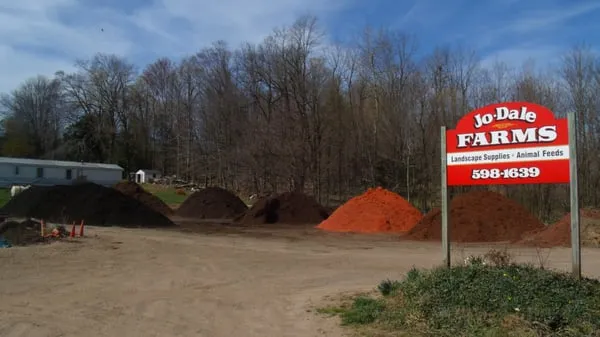
Jo-Dale Farms is a trusted, locally-owned landscaping provider serving Fulton, NY, and the surrounding communities. We understand the unique challenges homeowners in our area face, including troubleso...
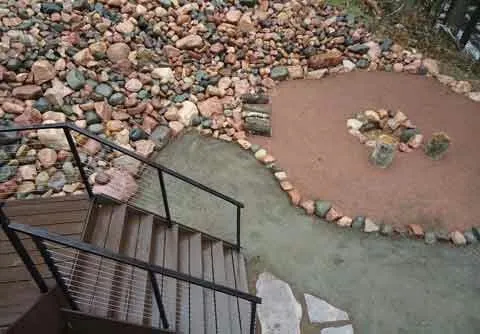
Manwaring's Lawn and Snow is a trusted, locally-owned business serving Fulton, NY, with over six years of experience in landscaping, construction, and snow removal. Fully insured and BBB-accredited wi...
Frequently Asked Questions
Can I reduce maintenance while supporting local ecology?
Replacing high-maintenance turf with Common Milkweed, New England Aster, Joe-Pye Weed, and Wild Bergamot creates pollinator corridors that require minimal intervention. These natives thrive in USDA Zone 5b with acidic sandy loam conditions, eliminating weekly mowing and reducing electric equipment use ahead of gas-blower restrictions. Established native plantings need only seasonal cutbacks, providing year-round habitat value while significantly lowering carbon emissions from maintenance activities.
Why does my Downtown Fulton lawn struggle despite regular care?
Properties in Downtown Fulton built around 1951 have 75-year-old soil profiles. Acidic sandy loam with pH 6.2 naturally develops compaction layers that restrict root growth and water infiltration. Core aeration every 2-3 years introduces oxygen channels while incorporating composted organic matter improves cation exchange capacity. This addresses the soil's tendency toward nutrient leaching while enhancing microbial activity for long-term turf health.
What permits and licenses are needed for landscape grading work?
Grading on 0.22-acre lots requires Fulton Building & Zoning Department permits for any cut/fill exceeding 12 inches or affecting drainage patterns. Contractors must hold New York State Department of State Division of Licensing Services certification for erosion control and stormwater management. Professional licensing ensures compliance with sediment barrier placement, slope stabilization techniques, and final grade tolerances within 0.5% of design specifications to prevent off-site water issues.
What solutions exist for yards that stay wet for days after rain?
Seasonal saturation in acidic sandy loam requires subsurface French drains with clean stone aggregate to lower the water table. Permeable concrete pavers or crushed bluestone installations meet Fulton Building & Zoning Department runoff standards by allowing 8-12 inches per hour infiltration rates. Grading should create 2% slope away from foundations while incorporating rain gardens with native plants that tolerate periodic inundation without compromising soil structure.
How quickly can you respond to storm damage for HOA compliance?
Emergency cleanup crews dispatch from the Fulton War Memorial area via NY-481, maintaining 20-30 minute response times during peak conditions. Our electric fleet operates within municipal decibel limits from 7 AM to 9 PM for immediate debris removal. We prioritize safety assessments of downed limbs while coordinating with property managers to document damage for insurance purposes before beginning systematic cleanup operations.
What invasive species should I watch for in my Fulton yard?
Japanese knotweed and garlic mustard present the highest risks in Downtown Fulton due to their aggressive rhizome systems that compromise soil structure. Treatment involves careful manual removal before seed set, followed by targeted glyphosate applications during fall translocation periods. All treatments comply with NYS Nutrient Runoff Law using phosphorus-free formulations only, with blackout dates typically from November through March to prevent groundwater contamination during frozen ground conditions.
How do I maintain healthy grass without violating water restrictions?
Soil-moisture sensor bypass controllers measure actual root-zone conditions rather than operating on fixed schedules. These systems preserve Kentucky Bluegrass and Fine Fescue mixes by applying water only when ET rates exceed 50% depletion. During Stage 0 restrictions, this technology typically reduces municipal water consumption by 30-40% while preventing the seasonal saturation common with Fulton's high water table. Proper calibration ensures deep root development without surface runoff.
Are concrete pavers better than wood for patio longevity?
Concrete pavers and crushed bluestone offer 25-30 year lifespans versus wood's 10-15 years in Fulton's freeze-thaw cycles. These materials maintain permeability for drainage while creating defensible space consistent with Low WUI fire ratings. Unlike wood that requires annual sealing and attracts moisture-related decay, properly installed hardscapes need only occasional joint sand replenishment. Their non-combustible nature provides additional safety margins in residential zones.
