Top Landscaping Services in Fresh Meadows, NY, 11365 | Compare & Call
There are 191 landscaping companies server in Fresh Meadows NY
Brothers & lawns landscaping and maintenance
Founded in 2020 during the pandemic, Brothers & Lawns is a locally owned and operated landscaping and maintenance company dedicated to serving Staten Island and the greater New York/New Jersey area. W...
For over 28 years, Turf King has been the trusted, owner-operated lawn care provider in Franklin Square, NY. As a Licensed NYS Lawn Applicator, the owner personally oversees every service, ensuring co...
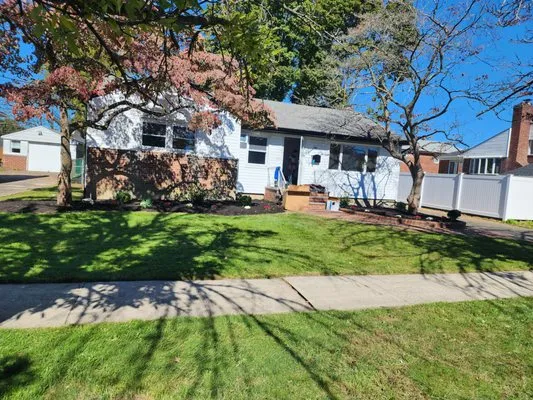
Clover's Landscaping is a dedicated New York landscaping and tree service company helping local homeowners tackle common outdoor challenges. We specialize in resolving yard drainage issues and managin...
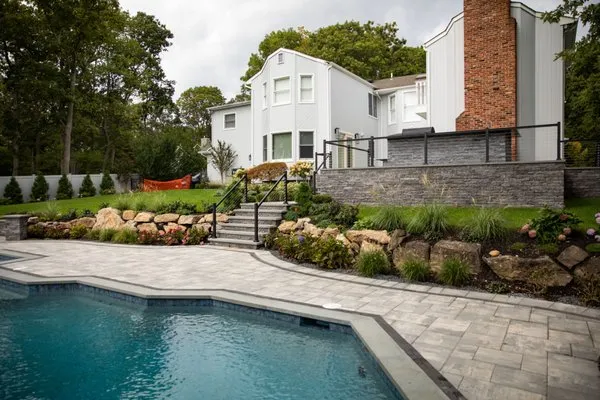
Topaz Design Group was founded in 1990 by Adam Myles, whose passion for landscape and hardscape design was sparked while working at a Long Island nursery as a teenager. Over decades, Adam has become o...
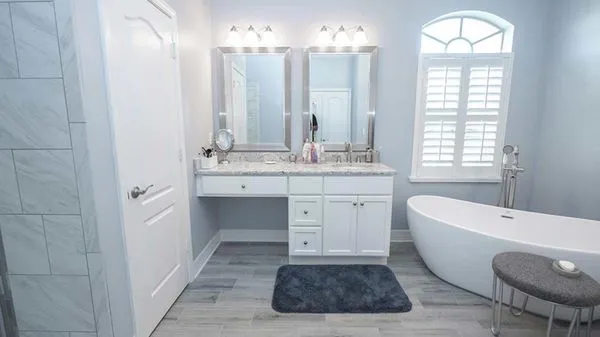
For over two decades, Cruz Canas Landscaping and Remodeling Corp has been a trusted partner for homeowners in Huntington Station and surrounding communities. Founded in 2003, our locally-owned and ope...
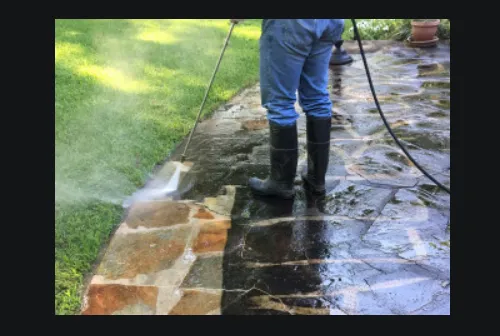
George’s Tree and Landscaping Services
George's Tree and Landscaping Services has been a trusted provider in Port Washington, NY for over 20 years, specializing in comprehensive landscaping, gutter services, and pressure washing. As a lice...
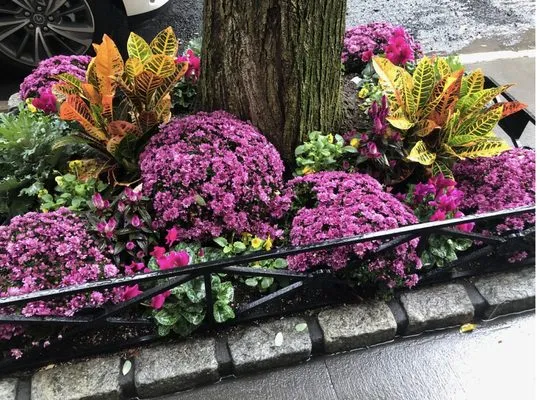
Petito Irriscape is a family-operated irrigation and landscaping service that has been a trusted part of the New York metropolitan community since 1981. Based in Brooklyn, we provide comprehensive ser...
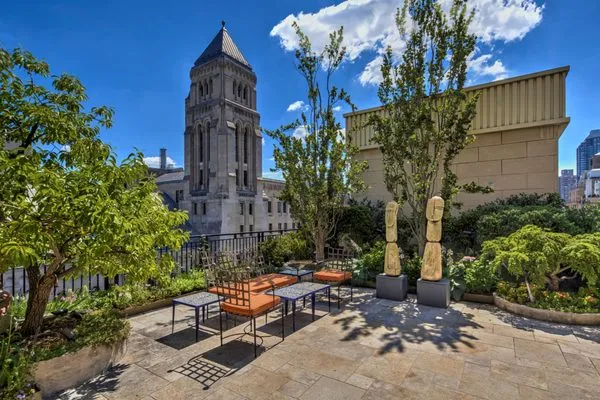
Halsted Welles Associates
Halsted Welles Associates is a Brooklyn-based design-build-maintenance firm with a deep-rooted focus on urban landscapes. For years, their team of designers, horticulturists, and skilled artisans has ...
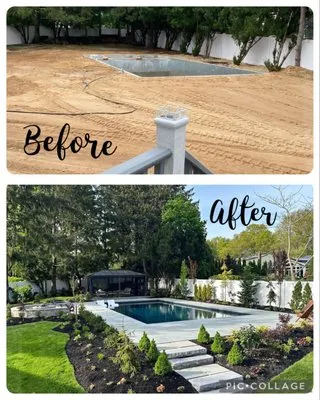
DeLutri Landscaping
DeLutri Landscaping, Inc. is a locally owned and operated full-service landscape company serving Franklin Square, NY, and the greater Long Island area. With over three decades of dedicated experience,...
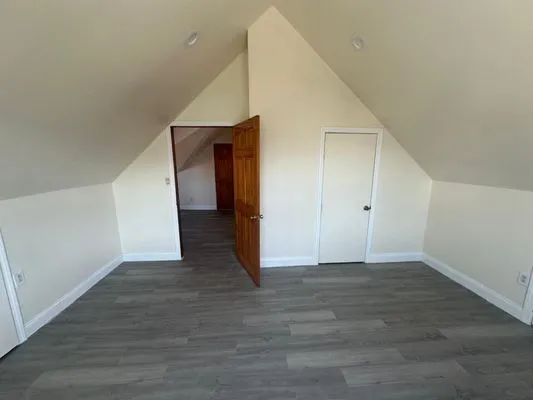
NY General Contracting Service is a women and minority owned business based in East Elmhurst, NY, with over 10 years of experience in construction. We specialize in renovation, custom home builds, and...
Estimated Landscaping Service Costs in Fresh Meadows, NY
Questions and Answers
Why does my Fresh Meadows lawn struggle despite regular watering and fertilizing?
Fresh Meadows properties built around 1951 have 75-year-old soil profiles where acidic sandy loam has become compacted from decades of foot traffic and clay-heavy subsoil layers. This soil maturity reduces permeability to 0.5 inches per hour, creating anaerobic conditions that limit root development. Core aeration with 3-inch spacing every fall introduces oxygen channels while incorporating composted leaf mold adjusts pH toward the optimal 6.2-6.8 range for nutrient availability.
Should I replace high-maintenance turf with native plants?
Transitioning 30% of turf to Eastern Redbud and Switchgrass plantings reduces mowing frequency from weekly to monthly while providing year-round visual interest. Purple Coneflower and Swamp Milkweed establish deep root systems that improve soil structure without requiring gas-powered equipment. This xeriscaping approach aligns with NYC's phase-out of gas blowers by 2027 while supporting pollinator populations through sequential blooming from May to October.
What permits and licenses are required for grading my 0.12-acre lot?
The NYC Department of Buildings requires grading permits for soil movement exceeding 2 cubic yards, particularly when altering drainage patterns near property lines. Contractors must hold New York State Department of State licensing for landscape architecture if designs involve retaining walls over 4 feet or stormwater management systems. On 0.12-acre Fresh Meadows lots, this ensures proper slope calculations maintain 2% minimum grade away from foundations while preventing sedimentation in municipal storm drains.
What solutions address moderate runoff in my clay-heavy yard?
Clay-heavy subsoil compaction beneath acidic sandy loam creates impermeable layers that cause ponding during 1-inch rainfall events. Installing French drains with clean stone aggregate at 18-inch depth intercepts subsurface flow, while permeable concrete pavers provide 30% void space for surface infiltration. This combined approach meets NYC Department of Buildings runoff standards by reducing peak discharge rates 40% compared to traditional asphalt or concrete surfaces.
Can I maintain Kentucky Bluegrass turf during voluntary water conservation?
Wi-Fi ET-based weather sensing irrigation calculates evapotranspiration rates specific to your 0.12-acre property, applying 0.75 inches weekly only when soil moisture sensors indicate need. This system reduces water use 35% compared to traditional timers while preserving the Tall Fescue blend's drought tolerance. Programming follows NYC voluntary conservation guidelines by skipping cycles after 0.25-inch rainfall events and prioritizing deep root zone hydration over surface watering.
How quickly can you respond to emergency storm damage for HOA compliance?
Our electric maintenance fleet dispatches from Utopia Playground within 15 minutes of notification, using Long Island Expressway access to reach most Fresh Meadows properties in 20-30 minutes during peak conditions. We prioritize fallen limb removal and drainage channel clearing to meet NYC Noise Control Code standards with battery-powered equipment. This rapid response prevents secondary damage to permeable paver systems while maintaining community aesthetic requirements.
Are permeable pavers better than wood for patio longevity?
Permeable concrete pavers maintain structural integrity for 25+ years without the decay, insect damage, or seasonal movement of wood decking. Their 8,000 psi compressive strength withstands freeze-thaw cycles in USDA Zone 7b while the open-graded base provides 12-inch water storage capacity. For urban-suburban interface properties with Low Fire Wise ratings, pavers create defensible space without combustible materials, reducing radiant heat transfer during wildfire events by 60% compared to wooden structures.
How do I control invasive species without violating fertilizer restrictions?
Japanese knotweed and garlic mustard require manual removal before seed set in early May, followed by solarization with clear polyethylene for six weeks. NYS phosphorus restrictions permit only 0.25% phosphorus fertilizers after soil testing confirms deficiency, with blackout dates prohibiting application between November 1 and April 1. For persistent infestations, targeted glyphosate applications at 2% concentration during dry periods minimize runoff while preserving native Switchgrass and Purple Coneflower stands.
