Top Landscaping Services in Fredonia, NY, 14063 | Compare & Call

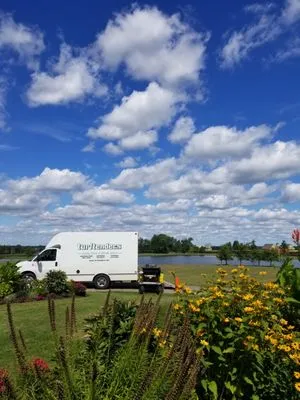
Turftenders is a family-owned lawn and landscape care provider serving Fredonia and Western New York since 1986. We understand the unique challenges of our local climate and soil, from harsh winters t...
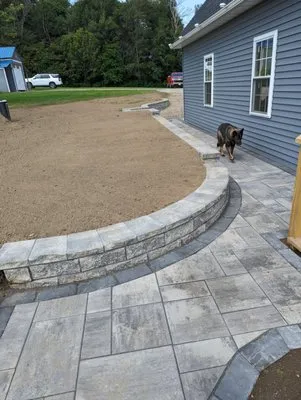
Fadale Enterprises
Fadale Enterprises in Fredonia, NY, is a family-owned business established in 1994, specializing in comprehensive waterproofing, drainage solutions, and custom landscape design. With over 10,000 custo...
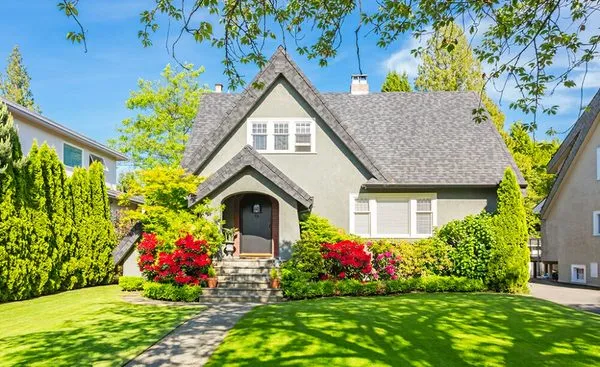
Handybros Landscaping is a trusted, full-service landscaping company serving Fredonia, NY, and the surrounding Chautauqua County area. We specialize in comprehensive landscape construction and install...
Hunts Landscaping and Lawn Care is a trusted local lawn service provider in Fredonia, NY, dedicated to helping homeowners achieve and maintain healthy, beautiful lawns. We understand that many Fredoni...
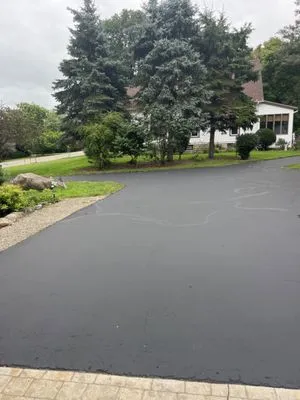
Gullo GreenScape and Seal Coating
Gullo GreenScape and Seal Coating has been a trusted part of the Fredonia community since 1992, providing comprehensive property care across all seasons. As a locally owned and operated business, we c...

Muldowney Bros is a trusted, family-owned business serving Fredonia, NY, with comprehensive outdoor solutions. We specialize in snow removal, lawn services, and masonry/concrete work, helping homeowne...
Lakeside Lawncare is a dedicated lawn service provider in Fredonia, NY, focused on helping local homeowners achieve and maintain healthy, vibrant lawns. We understand the common local challenges, such...
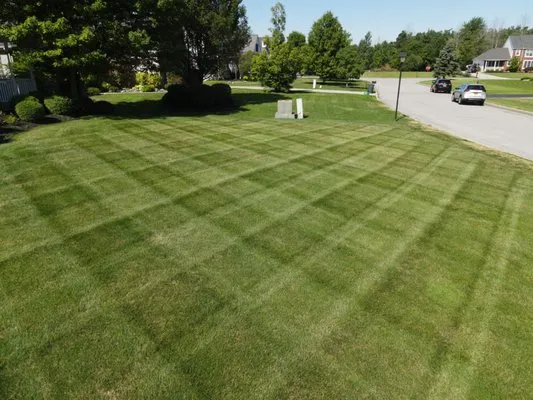
A Plus Cuts Lawn Care is a locally owned and operated lawn service dedicated to maintaining the beauty and health of lawns in Fredonia, Dunkirk, and the surrounding communities. With multiple years of...
Birch Grove Landscaping & Nursery is a trusted, family-owned business serving Fredonia, NY, and surrounding Chautauqua County. We specialize in diagnosing and solving the common local landscaping chal...
VanDette Lawn Care is a trusted, locally-owned lawn service provider serving Fredonia, NY, and the surrounding Chautauqua County. We specialize in comprehensive lawn care solutions designed to address...
Common Questions
How should I handle invasive Japanese Knotweed without harming my lawn?
Japanese Knotweed presents significant risk in Fredonia's residential districts, requiring targeted treatment during NY Nutrient Runoff Law compliance windows. Professional application of glyphosate-based herbicides in late summer avoids phosphorus restrictions for established lawns. Manual removal must include complete root extraction to prevent regrowth, followed by soil restoration with mycorrhizae-rich compost to outcompete remaining invaders.
How quickly can you respond to an emergency tree cleanup after a storm?
Our storm response team dispatches from the SUNY Fredonia campus area, traveling via I-90/NY-60 to reach Barker Commons within 20-30 minutes during peak conditions. This routing prioritizes arterial roads for rapid access while accounting for typical post-storm traffic patterns. We maintain specialized equipment for immediate hazard mitigation and debris removal to restore property safety.
What solutions work best for yards that stay soggy long after rain stops?
Seasonal saturation in Fredonia's acidic silty loam requires integrated drainage approaches. Installing French drains with clean gravel and perforated pipe redirects subsurface water, while permeable bluestone pavers allow surface infiltration. These methods meet Fredonia Village Building and Zoning Department runoff standards by reducing siltation and preventing erosion. Strategic grading creates positive slope away from foundations.
What low-maintenance alternatives exist for high-water-use turf areas?
Transitioning to native plantings like Eastern Redbud, Purple Coneflower, Swamp Milkweed, and Wild Bergamot reduces maintenance demands by 70-80%. These species thrive in USDA Zone 6a without supplemental irrigation once established, anticipating future noise ordinance restrictions on gas-powered equipment. Native landscapes support local pollinators while requiring minimal inputs, aligning with 2026 biodiversity standards.
Are bluestone pavers worth the investment compared to wood decking?
Bluestone pavers offer superior longevity with a 50+ year lifespan versus wood's 15-25 years, requiring minimal maintenance in Fredonia's climate. Their non-combustible nature supports the area's low fire-wise rating by creating defensible space without fuel sources. Properly installed bluestone provides stable footing year-round and integrates well with native plantings for cohesive landscape design.
Why does my Barker Commons yard have such compacted soil that won't drain properly?
Fredonia's Barker Commons Residential District features homes averaging 79 years old, with soil that has matured since 1947. Acidic silty loam soils in this area naturally compact over decades, reducing permeability and creating seasonal saturation. Core aeration with organic compost amendments is essential to improve soil structure and water infiltration. This addresses the high siltation risk while maintaining the pH balance between 5.5 and 6.5.
What permits and licenses are needed for regrading my quarter-acre property?
Grading work on 0.25-acre lots in Fredonia requires a permit from the Village Building and Zoning Department, with plans demonstrating proper drainage and erosion control. Contractors must hold appropriate licensing through the New York State Department of State Division of Licensing Services, ensuring compliance with NY Nutrient Runoff Law during soil disturbance. Professional oversight prevents violations related to silt fence installation and sediment control measures.
How can I maintain healthy turf without wasting water during dry periods?
Smart Wi-Fi soil-moisture sensing irrigation systems monitor actual plant needs rather than operating on fixed schedules. These systems adjust watering based on evapotranspiration rates and soil conditions, preserving Kentucky Bluegrass and Fine Fescue mixes while staying within municipal water guidelines. This technology prevents overwatering during Fredonia's normal water restriction status, reducing consumption by 30-50% compared to traditional timers.
