Top Landscaping Services in Franklinville, NY, 14737 | Compare & Call

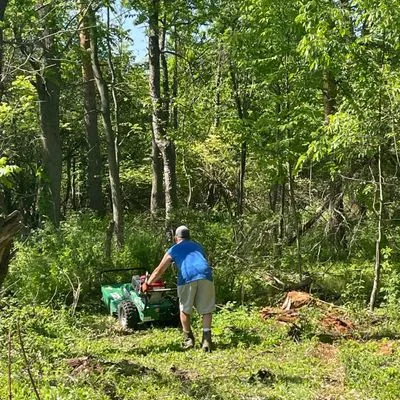
Siweks Landscaping is a family-owned and operated business serving Franklinville, NY, with over a decade of experience in lawn care, snow removal, and landscape design. Founded by Scott and Cassie Siw...
Siwek’s Landscaping is a family-owned and operated landscaping company proudly serving Franklinville, NY, and the surrounding areas. With over 25 years of hands-on experience in the industry, we found...
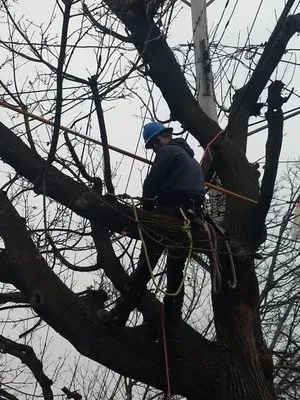
Phoenix Tree Care, owned and operated by Robert Irwin, is a trusted local tree service and landscaping provider serving Franklinville, NY, and the surrounding communities. Established in 2019, our foc...

Based in Franklinville, JDGREEN Property Services LLC is a locally-owned and operated company specializing in professional excavation, snow removal, and landscaping for residential and commercial prop...
Four Seasons Landscaping is your local Franklinville partner for creating and maintaining beautiful, resilient outdoor spaces. We specialize in comprehensive landscape design, masonry, concrete work, ...
C & G Enterprises is your trusted, locally-owned lawn care provider in Franklinville, NY. We understand the unique challenges of Western New York lawns, including the common issues of patchy grass and...

Lethal Weapons is a trusted Franklinville, NY business specializing in landscaping, siding, and pressure washing services. We help local homeowners address common issues like standing water in yards a...
Adamchick Landscaping is a trusted, locally-owned Franklinville landscaping company dedicated to enhancing and protecting residential and commercial properties in the Cattaraugus County area. We under...
S & S Tree Service & Landscaping is a trusted, locally-owned company serving Franklinville and the surrounding areas. We specialize in comprehensive landscape maintenance and professional tree care se...
Question Answers
Are Bluestone patios better than wood decks for fire safety and longevity?
Bluestone and Crushed Limestone provide superior fire resistance compared to combustible wood materials, crucial for Franklinville's Moderate Fire Wise rating in rural forest interfaces. These mineral surfaces create defensible space zones without contributing to fire spread. With 50+ year lifespans versus wood's 15-25 years, stone hardscapes withstand freeze-thaw cycles in Zone 5a while requiring minimal maintenance beyond occasional joint sand replenishment.
What's the most efficient way to water my Kentucky Bluegrass lawn without restrictions?
Despite Franklinville's abundant regional water table, manual irrigation with drip lines maximizes efficiency for Kentucky Bluegrass and Fine Fescue mixes. Drip systems deliver water directly to root zones at 90% efficiency versus 65% for sprinklers, reducing evaporation loss. Schedule watering during early morning hours when evapotranspiration rates are lowest. This approach maintains turf health while conserving resources, preparing for potential future municipal water limits.
What native plants can replace high-maintenance turf to reduce noise and emissions?
Transitioning to Sugar Maple, Eastern Redbud, Wild Bergamot, Butterfly Milkweed, and New England Aster creates low-input landscapes that exceed 2026 biodiversity standards. These natives require no gas-powered maintenance, aligning with evolving noise ordinance restrictions on blowers and mowers. Established native plantings need only seasonal attention, reducing weekly mowing schedules to occasional ecological management while supporting local pollinator populations.
What permits and licenses are needed for grading my 0.35-acre property?
Grading projects exceeding 100 cubic yards of earth movement require Franklinville Village Code Enforcement Office permits for erosion control compliance. Contractors must hold New York State Department of State (Division of Licensing Services) licensing for landscape architecture or excavation work. On 0.35-acre lots, professional certification ensures proper drainage calculations that prevent neighbor runoff disputes and maintain Ischua Creek watershed integrity.
How do I control invasive species without violating fertilizer regulations?
Japanese Knotweed and Garlic Mustard pose significant threats in USDA Zone 5a, requiring targeted manual removal before seed set. Apply NYS-compliant phosphorus-free fertilizers only during active growth periods, avoiding blackout dates specified under Nutrient Runoff Law. Integrate mycorrhizae inoculants to strengthen native plant competitiveness against invaders. This approach eliminates chemical runoff risks while restoring ecological balance to Franklinville's forest interface zones.
How do I fix persistent flooding in my yard with Channery Silt Loam soil?
Seasonal high water tables in Acidic Channery Silt Loam require French drains or dry wells to redirect subsurface flow. Replace impermeable surfaces with permeable Bluestone and Crushed Limestone hardscapes that meet Franklinville Village Code Enforcement Office runoff standards. Grade soil to create 2% slope away from foundations, incorporating organic matter to improve infiltration rates from current poor levels to optimal 6-12 inches per hour.
How quickly can you respond to emergency storm damage for HOA compliance?
Emergency cleanup dispatch routes from Ischua Creek Park via NY-16 to Franklinville Village Center within 45-60 minutes during peak conditions. Our electric maintenance fleet operates within municipal noise ordinance hours (8:00 AM - 8:00 PM) for immediate debris removal. This response time accommodates both safety protocols and compliance deadlines, with real-time traffic monitoring optimizing arrival for time-sensitive property violations.
Why does my Franklinville lawn have such poor drainage and compacted soil?
Franklinville Village Center properties average 88 years of soil maturity since 1938 construction. Acidic Channery Silt Loam naturally develops poor infiltration over decades, exacerbated by historical compaction from equipment and foot traffic. This soil type requires annual core aeration to improve permeability and organic amendments like compost to balance the pH 5.5-6.2 range. Without these interventions, seasonal high water tables create persistent drainage issues in established neighborhoods.
