Top Landscaping Services in Floral Park, NY, 11001 | Compare & Call
There are 201 landscaping companies server in Floral Park NY
For over 28 years, Turf King has been the trusted, owner-operated lawn care provider in Franklin Square, NY. As a Licensed NYS Lawn Applicator, the owner personally oversees every service, ensuring co...
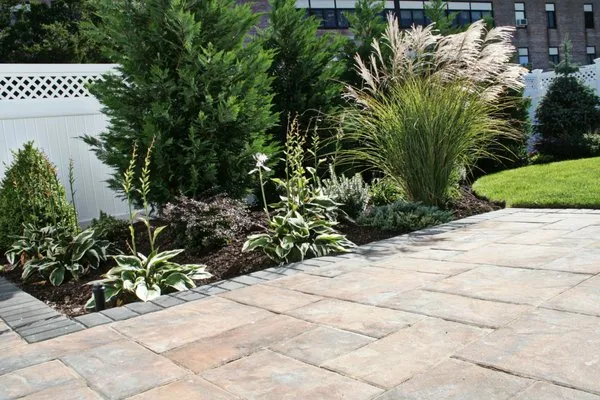
G&M Landscape Construction is a licensed and insured Island Park company founded in 2010 by partners Ken Grassano and Paul Micali. Paul, a graduate of the Polytechnic School of New York University, br...
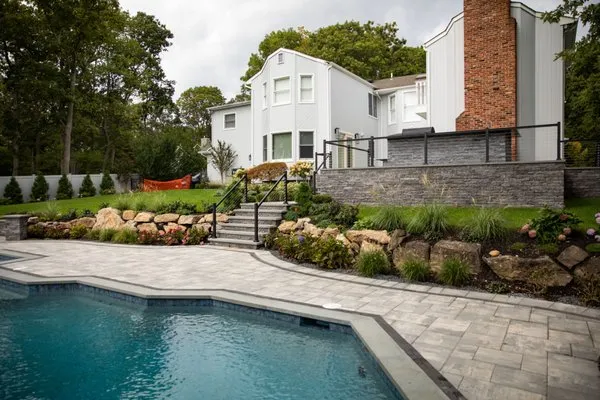
Topaz Design Group was founded in 1990 by Adam Myles, whose passion for landscape and hardscape design was sparked while working at a Long Island nursery as a teenager. Over decades, Adam has become o...
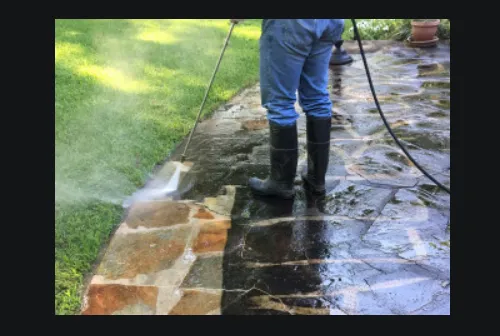
George’s Tree and Landscaping Services
George's Tree and Landscaping Services has been a trusted provider in Port Washington, NY for over 20 years, specializing in comprehensive landscaping, gutter services, and pressure washing. As a lice...
Chilelli Landscaping & Design
Chilelli Landscaping & Design is a trusted, local landscaping company serving Elmont, NY. We specialize in creating beautiful, functional outdoor spaces through expert landscape design. Understanding ...
DeLutri Landscaping
DeLutri Landscaping, Inc. is a locally owned and operated full-service landscape company serving Franklin Square, NY, and the greater Long Island area. With over three decades of dedicated experience,...
J & J Landscaping is a trusted local landscaping company serving Elmont, NY, specializing in landscape design to enhance residential properties. Many Elmont homes face common landscaping challenges li...
Graham Block & Landscaping
Graham Block & Landscaping is a trusted local business in Franklin Square, NY, specializing in nurseries, gardening, and landscape design. We understand the common local challenges homeowners face, su...

Port Jefferson
Port Jefferson is a licensed and insured landscaping and construction company serving Nassau and Suffolk counties on Long Island, NY. We specialize in comprehensive landscape design, installation, and...

L M Irrigation is a Malverne-based company specializing in irrigation, landscaping, and snow removal services for Long Island residents. With decades of experience, we focus on efficient, clean instal...
Estimated Landscaping Service Costs in Floral Park, NY
Common Questions
What solves persistent puddling on my property?
High water table issues in acidic sandy loam require graded swales directing runoff to rain gardens or dry wells. Permeable concrete pavers with polymeric sand joints increase infiltration rates 10-15 times over traditional surfaces. The Floral Park Building Department requires drainage plans showing runoff containment within property lines. French drains with clean gravel layers provide subsurface relief where grading options are limited by existing structures.
Why does my Floral Park Village lawn struggle despite regular care?
Floral Park's 1938-built homes sit on 88-year-old soil profiles where acidic sandy loam has become compacted over decades. This soil type naturally drains quickly but loses structure, creating poor root zones for Kentucky Bluegrass. Core aeration with compost amendments improves permeability and introduces organic matter to balance the pH 6.2-6.5 range. Regular soil testing every 2-3 years tracks nutrient availability as microbial activity rebuilds.
Can I maintain healthy turf under Stage 1 water restrictions?
Wi-Fi ET-based weather sensing irrigation automatically adjusts runtime using evapotranspiration data, reducing Kentucky Bluegrass water use by 25-40% while maintaining vigor. Systems calibrate to sandy loam percolation rates, applying water during early morning hours to minimize evaporation. Voluntary conservation measures pair with soil moisture sensors to prevent overwatering localized puddling zones. This approach meets municipal limits while preserving turf density through summer stress periods.
How do I handle invasive species safely?
Japanese knotweed and mugwort invasions threaten Floral Park's native plant communities. Mechanical removal during early growth stages prevents seed spread without chemical intervention. The Nassau County Fertilizer Law prohibits phosphorus applications, requiring soil tests before any amendment. Treatment timing avoids blackout dates while using targeted organic herbicides that break down before reaching the high water table. Regular monitoring catches re-infestation before establishment.
What permits and licenses does grading work require?
Regrading a 0.14-acre Floral Park lot requires a Floral Park Building Department permit demonstrating stormwater management compliance. Contractors must hold New York State Department of State Division of Licensing Services certification for excavation exceeding 12 inches depth. Soil export beyond 10 cubic yards triggers additional approvals due to Nassau County's groundwater protection measures. Licensed professionals carry insurance covering subsurface utility strikes and neighbor property damage.
How quickly can you respond to storm damage for HOA compliance?
Emergency cleanup crews dispatch from Centennial Gardens via Cross Island Parkway, reaching Floral Park Village properties within 20-30 minutes during peak conditions. We prioritize safety hazards like downed limbs blocking driveways or damaged hardscapes. Electric equipment operates within noise ordinance hours while documenting conditions for insurance. Post-storm assessments include soil saturation checks given the high water table.
Should I replace some lawn with native plants?
Transitioning high-maintenance turf to Purple Coneflower, Butterfly Weed, and Little Bluestem reduces mowing frequency while supporting 2026 biodiversity standards. Native plantings require no gas-powered blowers, aligning with 8:00 AM-6:00 PM noise restrictions. Deep-rooted Joe Pye Weed and New England Aster improve soil structure and drought tolerance. Electric maintenance fleets service these plantings without disturbing neighbors during restricted hours.
Are concrete pavers better than wood for longevity?
Concrete pavers with polymeric sand joints maintain stability for 25+ years versus wood's 10-15 year lifespan with decay risk. The low fire-wise rating in urban residential areas makes non-combustible hardscapes preferable for defensible space. Pavers allow root expansion for adjacent plantings while providing even surfaces that don't heave with frost. Their permeability meets runoff management standards without requiring additional drainage infrastructure.
