Top Landscaping Services in Fayetteville, NY, 13066 | Compare & Call


Worker Bee Landscaping and Lawn Care was founded in Fayetteville by a professional who transitioned from a 35-year career in printing to follow a passion for creating beautiful outdoor spaces. Seeing ...
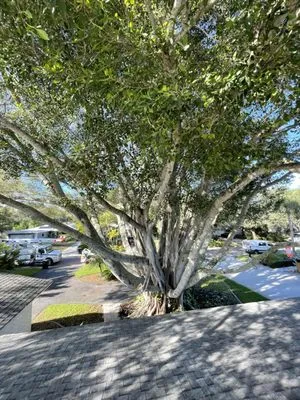
Roberson's Tree Service is a second-generation, family-owned business with over 30 years of experience serving Fayetteville, NY, and Tampa, FL. As a local company, we are committed to supporting our c...

Upstate Dirt Work
Upstate Dirt Work is your trusted local excavation and demolition contractor serving Fayetteville, NY. We specialize in solving common Central New York landscaping challenges, including the frustratin...
Nature's Companion Landscaping is a Fayetteville-based landscaping company dedicated to helping local homeowners maintain beautiful, healthy outdoor spaces. We understand that Fayetteville residents o...
Question Answers
What permits and licenses are needed for regrading my Fayetteville property?
Grading work on Fayetteville's typical 0.35-acre lots requires permits from the Village of Fayetteville Planning & Zoning Department, especially when altering drainage patterns or moving significant soil volumes. Contractors must hold appropriate licensing through the New York State Department of State Division of Licensing Services for excavation and earthwork. Professional oversight ensures compliance with setback requirements, erosion control measures, and proper disposal of excavated materials. Unpermitted grading can result in violations, fines, and required restoration at the property owner's expense.
How do smart irrigation systems help maintain my lawn during Fayetteville's dry periods?
Smart Wi-Fi soil moisture sensor controllers optimize watering by measuring actual soil conditions rather than operating on fixed schedules. These systems preserve Kentucky Bluegrass and Fine Fescue mixes by applying water only when needed, preventing both drought stress and overwatering. Despite Fayetteville's current Stage 0 water restrictions, this technology reduces municipal water consumption by 30-50% compared to traditional timers. The controllers automatically adjust for rainfall and evaporation rates specific to our USDA Zone 5b climate.
Should I replace some lawn areas with native plants to reduce maintenance in Fayetteville?
Replacing high-maintenance turf with native plantings like Common Milkweed, New England Aster, and Wild Bergamot significantly reduces water, fertilizer, and maintenance requirements. These species are adapted to Fayetteville's USDA Zone 5b conditions and support local pollinators while requiring minimal care. This transition aligns with evolving municipal standards that increasingly restrict gas-powered equipment use under noise ordinances. A phased approach allows gradual conversion while maintaining property aesthetics and biodiversity.
Why does my Fayetteville yard have such compacted soil that needs annual aeration?
Fayetteville's Village Center neighborhood has homes averaging 65 years old, with soil that has experienced decades of compression from construction and maintenance. The silt loam soil common here naturally compacts over time, reducing permeability and oxygen availability to roots. Core aeration every 1-2 years breaks up compaction layers, while adding organic compost improves soil structure and water infiltration. This addresses the seasonal saturation issues caused by high clay content in our local soil profile.
How quickly can you respond to an emergency tree cleanup after a storm in Fayetteville?
Our emergency storm response team can typically reach Village Center properties within 20-30 minutes during peak conditions. We dispatch from near Fayetteville Towne Center, taking I-481 for efficient access across the village. This rapid response helps address immediate safety hazards and prevents HOA compliance issues from fallen branches or damaged landscaping. Our electric equipment fleet operates within the 7:00 AM to 9:00 PM noise ordinance window for neighborhood consideration.
Are bluestone patios better than wood decks for Fayetteville's climate and fire safety?
Bluestone and permeable concrete pavers offer superior longevity in Fayetteville's freeze-thaw cycles compared to wood, which requires frequent maintenance. These materials maintain integrity for decades with minimal upkeep while providing excellent permeability for stormwater management. For Fayetteville's Low Fire Wise rating areas, non-combustible hardscapes create defensible space without contributing to fire spread risk. The initial investment returns value through reduced maintenance and compliance with evolving residential safety standards.
What solutions work best for Fayetteville's seasonal drainage problems in my backyard?
Fayetteville's silt loam soil with high clay content creates seasonal saturation that requires engineered drainage solutions. Installing French drains with proper grading directs water away from foundations, while permeable concrete pavers allow stormwater infiltration rather than runoff. These approaches meet Village of Fayetteville Planning & Zoning Department standards for managing runoff on residential properties. For severe cases, dry wells or rain gardens can be integrated with native plantings to absorb excess moisture naturally.
How should I handle invasive Bush Honeysuckle without violating Fayetteville's fertilizer regulations?
Bush Honeysuckle requires careful removal through cutting and targeted herbicide application to the stump during active growth periods. This approach minimizes soil disturbance and prevents regrowth without violating New York State's phosphorus ban in fertilizers. Manual removal followed by planting competitive natives like Wild Bergamot creates natural suppression. Timing treatments outside of blackout dates for nutrient applications ensures compliance while effectively managing this aggressive species in Fayetteville's ecosystem.
