Top Landscaping Services in Farmingdale, NY, 11735 | Compare & Call
There are 200 landscaping companies server in Farmingdale NY
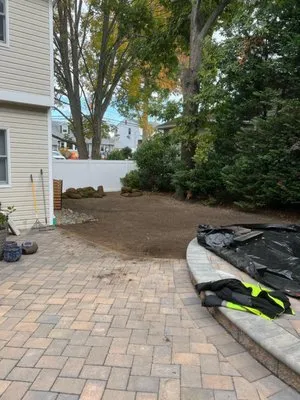
J & S Tree Service is a trusted, locally-owned company serving Huntington, NY, and the surrounding communities. We provide comprehensive tree care, from expert pruning and disease management to safe r...
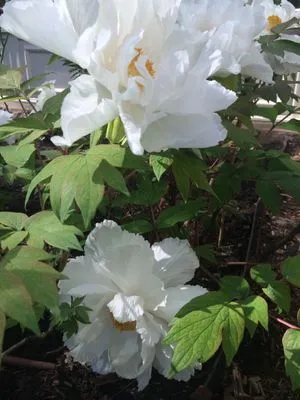
For over 25 years, our horticulturist has honed expertise working with prestigious firms across the metropolitan area, with formal training from the School of Professional Horticulture at the New York...
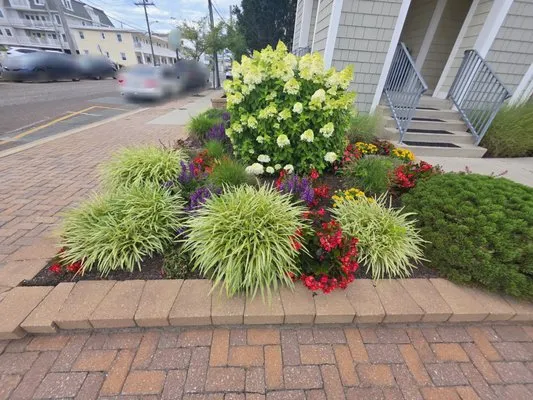
Blossom & Bark Lawn Care
Blossom & Bark Lawn Care is a Valley Stream-based landscaping service dedicated to transforming local properties. We specialize in diagnosing and resolving common Valley Stream lawn issues like patchy...
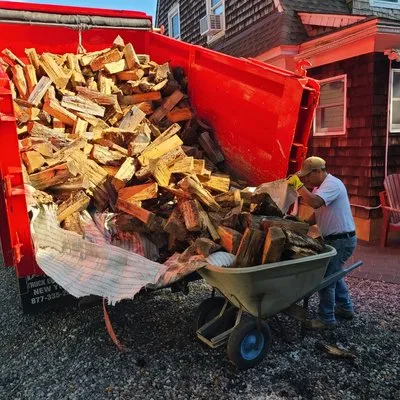
Long Island Firewood is a family-owned and operated landscape construction company based in East Northport, NY, with roots in the community dating back to 1979. Led by Charles F. Bongiorno Jr., the bu...
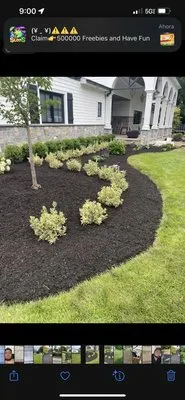
Salmeron Landscaping
Salmeron Landscaping is a trusted, locally owned and operated landscaping company proudly serving Glen Cove, Nassau County, and the surrounding communities. With 15 years of hands-on experience, we sp...
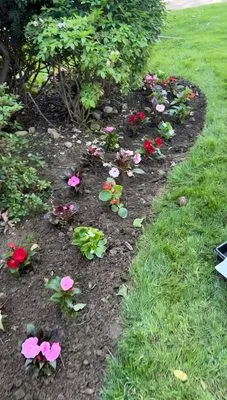
Since 2005, Erik Maldonado Landscaping has been a trusted, family-run business rooted in the Jamaica, Queens community. Founded by Erik Maldonado after years of hands-on experience in the field, we un...
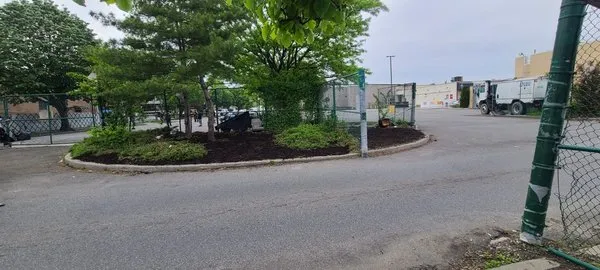
Global Industrial Maintenance
For over 20 years, John S, the manager of Global Industrial Maintenance, has been the trusted partner for businesses and municipalities in New York seeking professional commercial landscaping. He brin...

Norma is the owner and sole operator of Lady With a Van in Middletown, NY. As a single woman living in NYC, she brings a spirit of independence and hands-on dedication to every job. Norma started this...
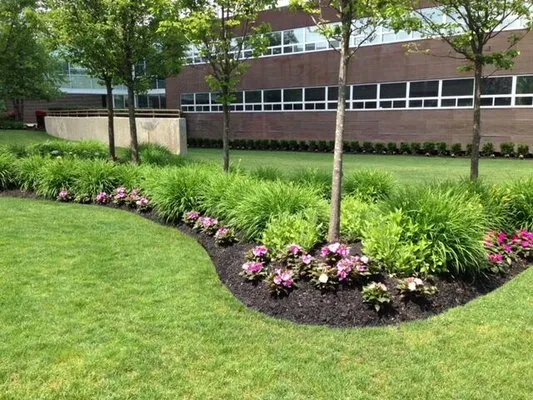
Cerullo Landscape and Irrigation
For over 35 years, Cerullo Landscape and Irrigation has been an owner-operated, trusted name in Inwood and across the New York City and Long Island area. Starting as a small residential business in 19...
Dom's Landscaping
Dom's Landscaping is a family-owned and operated company that has been a trusted part of the Garden City Park, NY community since 1962. Founded by Dominick right after high school, the business starte...
Estimated Landscaping Service Costs in Farmingdale, NY
Common Questions
We want to regrade a soggy corner of our 0.15-acre lot. What permits and contractor credentials are required?
Any significant regrading that alters drainage patterns or involves moving more than a few cubic yards of soil typically requires a permit from the Incorporated Village of Farmingdale Building Department. For the work itself, you must hire a contractor licensed by the Nassau County Department of Consumer Affairs. This licensing ensures they carry proper insurance and understand local soil disturbance regulations, which are critical on smaller lots where runoff can adversely affect neighboring properties.
We're adding a patio. Are permeable concrete pavers worth the investment over traditional wood decking?
For long-term value and ecological function, permeable pavers are superior. While wood requires regular sealing and deteriorates, pavers offer a 25+ year lifespan with minimal maintenance. They directly mitigate the moderate runoff hazard in Farmingdale by managing stormwater. From a Firewise perspective, their non-combustible nature contributes to the defensible space required in higher-risk zones, though our current Low rating in suburban residential areas makes this a secondary benefit.
With Stage 1 water conservation in effect, how can I keep my Kentucky Bluegrass lawn healthy without wasting water?
Wi-Fi ET-based weather-sensing irrigation is the precise tool for this. It automatically adjusts watering schedules daily based on real-time evapotranspiration data, soil moisture, and rainfall. This system can reduce water use by 20-40% compared to traditional timers, keeping your cool-season grass blend healthy within voluntary conservation limits. Deep, infrequent watering cycles are programmed to encourage deeper root growth, enhancing drought resilience.
I've spotted what looks like Japanese Knotweed. How do we handle invasive species safely here?
Japanese Knotweed is a high-priority invasive requiring immediate, professional management. Treatment involves carefully timed applications of systemic herbicide when the plant is actively translocating nutrients to its roots. Crucially, any treatment must avoid the Nassau County Fertilizer Law blackout period (Nov 1 - April 1) where nitrogen and phosphorus application is prohibited. A licensed professional will develop a multi-year management plan that complies with all local ordinances for safe eradication.
A major storm brought down a large limb. How quickly can a crew arrive for an emergency cleanup to meet HOA compliance deadlines?
For an emergency dispatch, our standard peak response from the Farmingdale Village Green is 20-30 minutes. The route utilizes NY-135 (Seaford-Oyster Bay Expressway) for direct access to most Village properties. We coordinate with the Incorporated Village of Farmingdale Building Department on right-of-way issues to ensure debris is cleared from sidewalks and streets promptly, preventing compliance violations.
Water pools in our yard after heavy rain, yet the soil is sandy. Why does this happen, and what's a lasting solution?
This is a classic symptom of high permeability soils with moderate runoff. While water infiltrates quickly initially, subsurface compaction or a slight clay layer can create a temporary perch, causing surface saturation. Installing a French drain system or dry creek bed addresses the symptom, but using permeable concrete pavers for patios or walkways is a proactive solution. This meets Village runoff standards by allowing water to infiltrate on-site, recharging groundwater.
Our lawn seems thin and struggles every summer, and the soil feels like sand. Is this typical for older Farmingdale Village properties?
Yes, this is a common legacy issue. Homes built around 1962, like many in the neighborhood, have soils that have matured for over 60 years. The original acidic sandy loam has become heavily compacted from decades of traffic and conventional maintenance, reducing microbial life and water retention. Core aeration and incorporating compost are critical to rebuild soil structure, increase organic matter above 5%, and improve the rooting depth for your turf.
I want to reduce mowing, gas blower noise, and watering. What are my options that still look intentional?
Transitioning to a climate-adaptive landscape with native plants is the strategic answer. Replace high-input turf areas with drifts of Little Bluestem, Butterfly Milkweed, and Sweet Pepperbush. These species are adapted to our acidic sandy loam, require no fertilization once established, and are deeply drought-resistant. This shift drastically reduces mowing frequency and eliminates the need for gas-powered blowers during the restricted period from May 15 to September 15, aligning with future noise ordinances.
