Top Landscaping Services in Elma Center, NY, 14059 | Compare & Call
There are 157 landscaping companies server in Elma Center NY
Great Lakes Property Services
Great Lakes Property Services is a locally owned and operated business in Orchard Park, NY, founded in 2016 by Bryan and Duane. Starting with a vision for comprehensive property care, they evolved in ...
Halford Services is a full-service landscaping company serving Sanborn, NY, and the surrounding areas. We specialize in comprehensive outdoor solutions, including earthmoving, driveway construction, r...
The Joat in Niagara Falls, NY is a versatile general contracting and landscaping business that truly lives up to its name—Jack of All Trades. Serving the Niagara Falls community, we specialize in a wi...
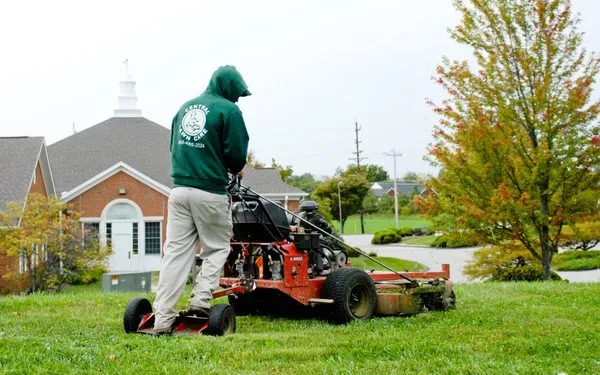
CW's Landscaping Services is a West Seneca-based company providing comprehensive landscaping solutions for residential and commercial properties. We specialize in gardening, lawn care, irrigation syst...
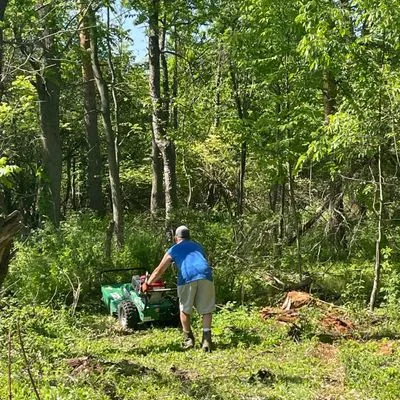
Siweks Landscaping is a family-owned and operated business serving Franklinville, NY, with over a decade of experience in lawn care, snow removal, and landscape design. Founded by Scott and Cassie Siw...
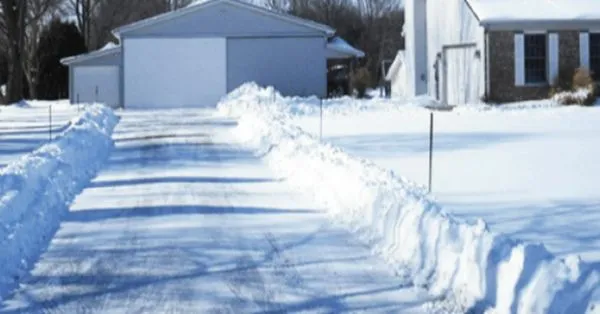
JNR Property Management is a trusted, locally-owned property care company serving Buffalo, NY, and the surrounding areas. We specialize in comprehensive lawn care and reliable snow removal services, d...
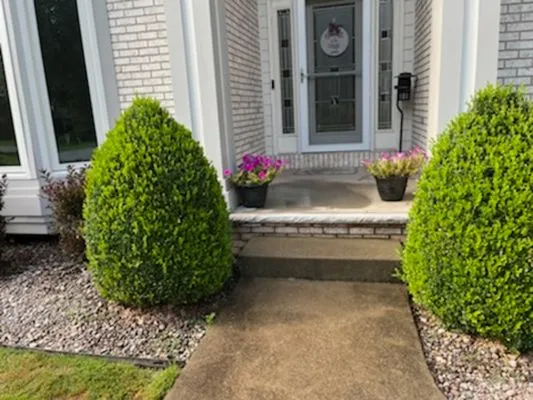
K @ N Builders is a family-owned masonry and landscaping business serving West Seneca, NY, with over seven years of experience. Specializing in chimney services, concrete work, and outdoor constructio...
Perry's Nurseries & Garden Center is a trusted West Seneca landscaping resource helping homeowners tackle common local challenges like lawn moss growth and storm debris cleanup. With decades of experi...
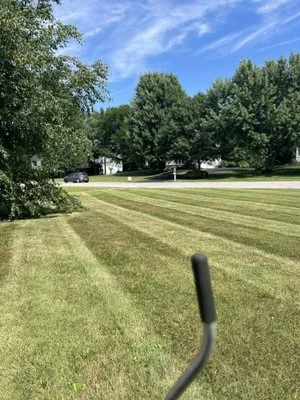
DG Landscaping is a locally owned and operated business in Orchard Park, NY, founded by a dedicated professional who started his journey at age 15, perfecting lawn cuts with precision. Over four years...
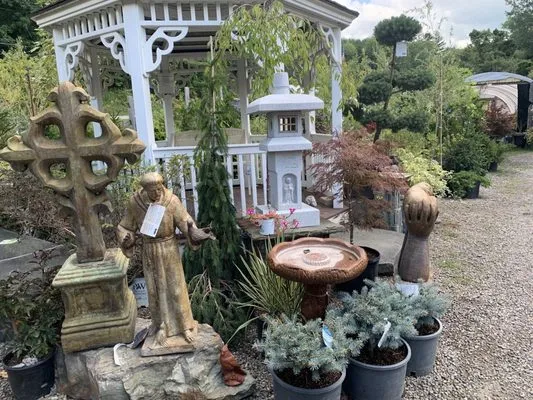
Johnson's Nursery in East Aurora, NY, is a trusted local nursery and landscaping business specializing in comprehensive shrub care and landscape maintenance. We understand that East Aurora homeowners ...
Estimated Landscaping Service Costs in Elma Center, NY
Frequently Asked Questions
Is bluestone or clay brick a better long-term choice for a patio than composite wood?
For longevity and minimal maintenance, bluestone and clay brick pavers are superior to organic materials. They are inert, do not rot, warp, or require sealing, and their inherent fire resistance contributes to defensible space in areas with a Low Fire Wise rating. Properly installed on a compacted gravel base with permeable joints, these materials can last decades, whereas wood and composites degrade and present higher long-term replacement costs.
What should I verify before hiring a contractor to regrade and re-sod my 0.75-acre lot?
For significant grading and sod installation on a 0.75-acre property, confirm the contractor holds the appropriate Home Improvement license from the NY State Department of State Division of Licensing Services. Furthermore, any regrading that alters surface water flow likely requires a permit from the Town of Elma Building Department to ensure compliance with local drainage and erosion control ordinances. Always request proof of both licensing and general liability insurance.
My yard holds water in spring. What are the best solutions for improving drainage on my property?
Seasonal saturation is a frequent challenge due to the clay subsoil beneath our silt loam, which has very low permeability. Solutions begin with regrading to create positive slope away from foundations and installing French drains or dry wells to capture and redirect water. For new hardscape, specifying permeable jointing for bluestone or clay brick pavers can significantly reduce surface runoff, often a requirement for Town of Elma Building Department permits.
My lawn seems thin and compacted. Is this a common issue for homes of my age in Elma Center?
Properties built around 1980, like many in Elma Center Proper, now have roughly 45-year-old landscapes. The underlying neutral silt loam soil often develops a dense, compacted layer from decades of foot traffic and traditional maintenance, restricting root growth and water percolation. Core aeration is a primary correction, followed by amending with compost to rebuild organic matter and improve soil structure. This process directly addresses the poor infiltration common in our clay subsoils.
How can I keep my Kentucky Bluegrass lawn healthy without overwatering, especially since there are no official restrictions?
Proactive water conservation is essential. Smart Wi-Fi soil moisture sensor controllers are the industry standard for precision, applying water only when the root zone needs it, measured against local evapotranspiration (ET) rates. This technology prevents over-irrigation, which exacerbates our seasonal high water table, and maintains turf health within municipal guidelines. It effectively manages the weekly watering needs of your grass mix from May through October.
I want to reduce mowing and chemical use. What are robust native alternatives to some of my lawn?
Transitioning high-maintenance turf areas to a native plant community is a forward-thinking strategy. Species like Little Bluestem, New England Aster, and Joe-Pye Weed are adapted to Zone 6a conditions, require no fertilizer, and support local pollinators. This xeriscaping approach drastically reduces mowing frequency and fuel use, aligning with the shift toward electric equipment mandated by tightening noise ordinances. It also builds long-term resilience.
If a storm downs a large limb, what is your typical emergency response time for HOA compliance cleanup?
For urgent situations requiring immediate debris removal to meet safety or covenant standards, our standard storm response from our dispatch near the Elma Village Green is 20-30 minutes during peak hours. The route utilizes NY-400 for efficient access to Elma Center Proper. Our 2026 fleet is primarily electric, allowing us to operate within the local noise ordinance (8:00 PM - 7:00 AM) for extended cleanup if necessary.
I've spotted what looks like Japanese Knotweed. How should I handle invasive species safely here?
Early identification and professional management are critical for invasive species like Japanese Knotweed or Garlic Mustard. Treatment plans must comply with the NY State Non-Agricultural Fertilizer Law, which prohibits phosphorus-containing products and may dictate specific application blackout dates. Safe, effective eradication often involves targeted, systemic herbicides applied by licensed professionals, combined with manual removal and site rehabilitation to prevent recurrence.
