Top Landscaping Services in Ellisburg, NY, 13636 | Compare & Call

There are 27 landscaping companies server in Ellisburg NY
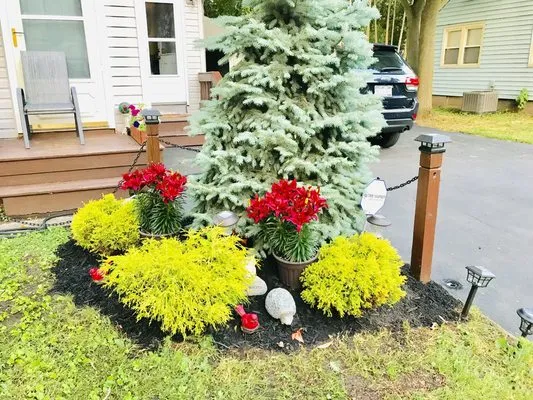
Feliciano Landscape, LLC is a family-owned landscaping and construction company serving Syracuse, NY, and the surrounding communities. We provide a comprehensive range of services, from earthmoving an...
Waite Demolition And Landscaping
Waite Demolition and Landscaping LLC is a Pulaski-based contractor offering a comprehensive range of demolition, construction, and landscaping services. We handle everything from major structural demo...
Circle of Images
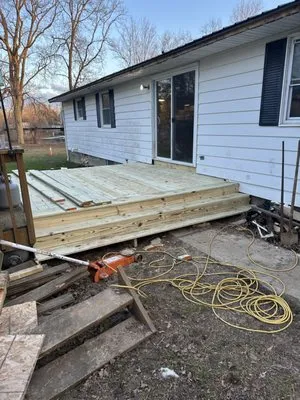
Circle of Images is a family-owned excavation, landscaping, and general contracting business in Pennellville, NY, founded on a legacy of craftsmanship passed from father to sons. With deep roots in th...
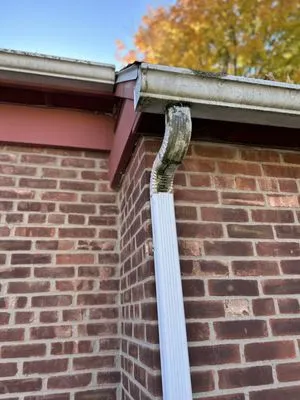
Korey's Kustom Lawn Care is a Mannsville-based business founded by Korey, who discovered his passion for landscaping as a child in Florida. Starting with his first zero-turn mower ride, he realized tr...
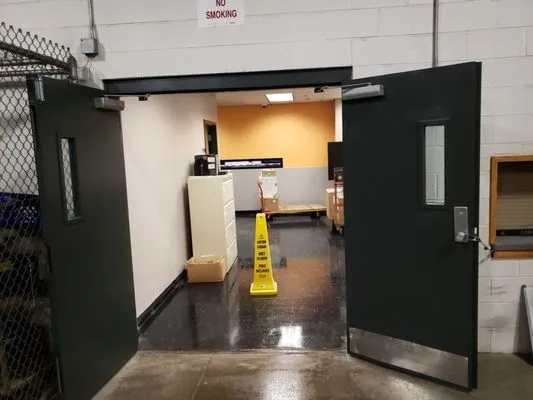
Altar Rock Group of NY is a Syracuse-based landscaping and construction company specializing in excavation, grout services, and comprehensive outdoor installations. Serving local homeowners, we addres...
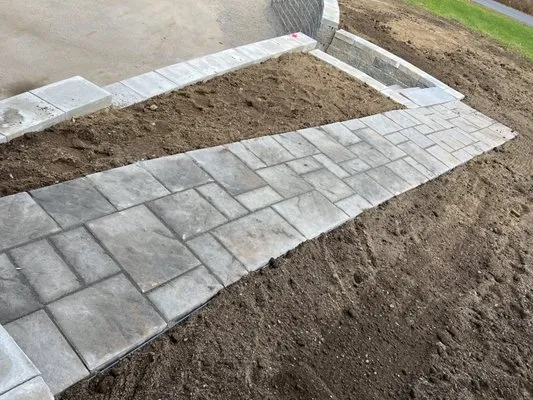
Complete Property Maintenance is your trusted, full-service property care provider in Adams, NY. We specialize in comprehensive solutions that keep your property functional and beautiful year-round, f...
T C B Landscaping is a trusted local landscaping company serving Central Square, NY, and surrounding areas. We specialize in landscape maintenance and lawn care services designed to address common loc...
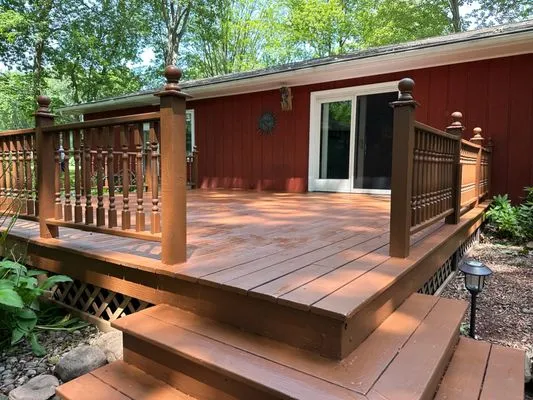
J&W Property Services is a trusted local provider in Central Square, NY, specializing in comprehensive property care. Founded by Jamison, the company offers a full range of services including landscap...
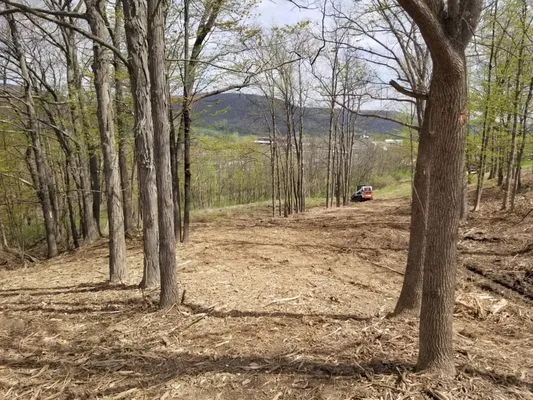
Ground-Up Forestry Mulching in Wampsville, NY, specializes in forestry mulching, an eco-friendly land clearing method that cuts and shreds unwanted vegetation on-site, including brush and small to med...

Sharper Image Lawn Care is a trusted local provider in Mannsville, NY, specializing in comprehensive lawn care and reliable snow removal services. We understand the unique challenges Mannsville homeow...
Estimated Landscaping Service Costs in Ellisburg, NY
Q&A
What's the most efficient way to maintain Kentucky Bluegrass/Fine Fescue blends without wasting water?
Soil moisture sensor controllers measure actual ET rates rather than operating on fixed schedules. These systems maintain 0.75-1.5 inches of weekly irrigation during May-September growth periods while staying within municipal conservation standards. Properly calibrated SMS controllers reduce water use 30-40% compared to traditional timers. This preserves turf health while preventing the runoff that triggers nutrient law violations.
How do we address seasonal water table issues and frost heave in Ellisburg's clay-heavy soils?
Acidic silt loam's poor permeability exacerbates seasonal high water tables and frost heave damage. Permeable bluestone paver installations with 4-inch gravel bases and joint sand create 30-40% void space for water infiltration. This meets Town of Ellisburg Building & Zoning Department runoff standards while preventing foundation issues. French drains at 1% slope complement hardscape solutions for comprehensive drainage management.
What invasive species threaten Ellisburg landscapes and how do we treat them safely?
Japanese knotweed and garlic mustard present the highest invasion risks in Zone 5a acidic soils. Manual removal before seed set in early spring avoids herbicide use near waterways. For established invasions, targeted glyphosate applications in fall follow NY Nutrient Runoff Law blackout dates. Always bag and dispose of invasive material at designated facilities rather than composting to prevent spread.
How quickly can you respond to emergency storm damage for HOA compliance in Ellisburg?
Emergency cleanup crews dispatch from Ellisburg Village Park with electric equipment meeting daytime noise ordinances. The route follows I-81 to access Village Center properties within 45-60 minutes during peak conditions. Our response prioritizes safety hazards like downed limbs while documenting conditions for insurance. This timeline accounts for March 2026 traffic patterns and electric fleet charging protocols.
What permits and licenses are required for regrading my 0.45-acre Ellisburg property?
Grading projects altering more than 100 cubic yards of soil require Town of Ellisburg Building & Zoning Department permits with engineered drainage plans. Contractors must hold New York State Department of State landscaping licenses for work exceeding $5,000. On 0.45-acre lots, even modest regrading often triggers these thresholds due to erosion control and runoff management requirements. Always verify current licensing through the Division of Licensing Services database.
Why does my Ellisburg lawn struggle with compaction and poor drainage despite regular care?
Ellisburg Village Center properties average 88 years of development, creating mature acidic silt loam soils with pH 5.8-6.5. Decades of foot traffic and equipment use have reduced soil permeability to critical levels. Core aeration every 2-3 years introduces oxygen channels while compost amendments at 0.5 cubic yards per 1,000 square feet rebuild organic matter. This addresses the fundamental soil structure issues common in neighborhoods with 1930s-era construction.
What alternatives exist for reducing maintenance while preparing for electric equipment mandates?
Transitioning 30-50% of turf to native plantings like Sugar Maple, Eastern Redbud, Joe-Pye Weed, and New England Aster reduces mowing frequency by 60%. These species require no fertilization under NY's phosphorus restrictions and support 2026 biodiversity targets. The shift minimizes gas equipment use ahead of noise ordinance tightening while creating pollinator corridors through Ellisburg Village Center.
Why choose bluestone over wood for patios and walkways in our climate?
Bluestone pavers offer 50+ year lifespans versus wood's 10-15 years in Ellisburg's freeze-thaw cycles. Their non-combustible nature maintains Low Fire Wise ratings for traditional residential areas. Properly installed with polymeric sand, bluestone resists frost heave damage common in seasonal high water table conditions. The material's thermal mass also moderates microclimate temperatures around foundations.
