Top Landscaping Services in Elizabethtown, NY, 12932 | Compare & Call

There are 19 landscaping companies server in Elizabethtown NY
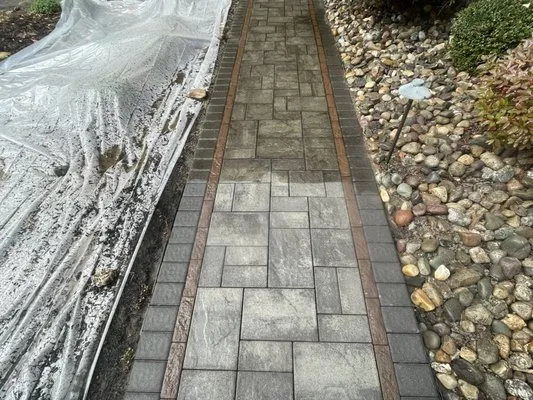
Mighty Industries Patio and Hardscape Restoration is a Niskayuna-based landscaping company specializing in durable, functional outdoor living solutions. We help local homeowners transform their proper...
Norse Property Services
Norse Property Services is a Hudson Falls-based company providing comprehensive property management, lawn care, and junk removal solutions for local homeowners and property owners. We specialize in ap...
Rawlins Revival and Cleanup is a Glens Falls-based home improvement specialist with nearly a decade of experience serving the local community. What began as side work has grown into a full-time busine...
LaFond Landscaping is a family-owned business serving Fort Ann, NY, and surrounding areas since 2014. Founded by Nathan LaFond, who personally oversees every project, the company specializes in compre...
Adirondack Pressure Washing & Property Management
Adirondack Pressure Washing & Property Management is a Ticonderoga-based business dedicated to maintaining and enhancing local properties. We specialize in residential and commercial pressure washing,...
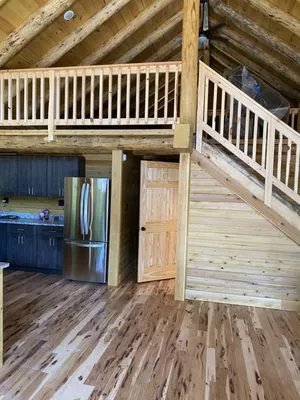
Adirondack Customs is a Riparius-based general contractor and custom builder founded in 2007 by Kevin and Kim Stonitsch. Starting as a one-person operation, the company has grown through reputation, f...
Boondock's Home Services in Whitehall, NY, is a locally owned and operated business founded in 2018 by an owner with 30 years of experience. After working for private companies and a decade at the Woo...
Empire State Lawn & Maintenance
Empire State Lawn & Maintenance LLC is a locally owned and operated lawn care and property maintenance business proudly serving North Bangor, NY, and the surrounding North Country community. We specia...
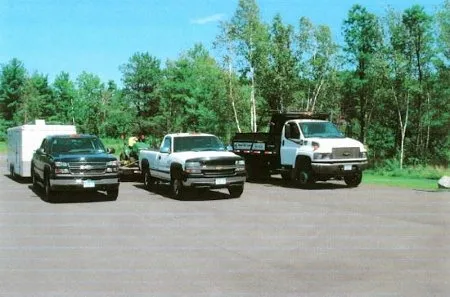
For over three decades, Rand Hill Lawns has been a trusted landscaping partner for homeowners and businesses across West Chazy and the wider North Country. Founded in 1986 with just a single mower, th...
The Home Reset is a locally owned and operated home services business in West Chazy, NY, founded by Vallerie and her husband in 2025. With professional training from South Florida and years of persona...
Estimated Landscaping Service Costs in Elizabethtown, NY
Questions and Answers
I see an invasive vine spreading. How do I handle it without harming my garden?
Common invasive alerts here include Oriental Bittersweet and Japanese Knotweed. Correct identification is critical. Treatment involves targeted cut-stump application of glyphosate in late summer, strictly following label instructions. This timing and method minimize drift and protect surrounding plants. It is also compliant with NYS Nutrient Runoff Law, which restricts phosphorus but allows for approved herbicide use in integrated pest management.
My yard turns into a swamp every spring. What can be done about snowmelt saturation?
High spring saturation is typical with our acidic Spodosols, which have slow percolation. Solutions include regrading to create positive drainage away from foundations and installing French drains or dry wells. Using permeable Adirondack Granite or Fieldstone for patios and walkways increases surface infiltration. These measures help manage runoff to meet the Town of Elizabethtown Code Enforcement Office's standards for stormwater management.
We have town water, but I'm worried about overwatering my Kentucky Bluegrass. What's the best method?
Despite abundant water, efficient use is key. Manual drip or soaker hose systems deliver water directly to the root zone, minimizing evaporation and runoff. This method is ideal for maintaining a Kentucky Bluegrass and Fine Fescue blend, as it encourages deep rooting and reduces fungal disease. It aligns with conservation principles without the complexity or cost of automated controllers, which are less common here.
I want to reduce mowing and gas equipment noise. What are my options?
Transitioning high-maintenance turf areas to a xeriscape of regional natives is a forward-looking solution. Planting clusters of Serviceberry, Wild Columbine, and Purple Flowering Raspberry creates a resilient, low-water landscape that supports local pollinators. This reduces the need for bi-weekly mowing and positions your property ahead of potential tighter noise ordinances restricting gas-powered blowers and mowers.
My lawn in the Village Center has always been thin. What's going on with the soil?
Properties built around 1945, common in Elizabethtown, have 80+ years of soil development. This has created a mature, acidic Spodosol with a pH of 5.2-5.8. This soil type is naturally low in organic matter and prone to compaction, which starves turfgrass roots of oxygen and nutrients. Core aeration and amendments like lime and compost are required to neutralize acidity and improve soil structure for healthy grass.
A storm brought down branches before an HOA inspection. How fast can you respond?
For emergency cleanup, our standard dispatch originates near the Essex County Courthouse. We access your property via I-87, the Adirondack Northway, which provides direct routing to the Village Center. Accounting for peak traffic and debris clearance, we can typically mobilize a crew and equipment to your site within the 45-60 minute window noted for storm response in this area.
We want to regrade our half-acre lot. What permits and contractor checks are needed?
Significant grading on a 0.55-acre property typically requires a permit from the Town of Elizabethtown Code Enforcement Office to ensure proper drainage and erosion control. You must hire a licensed professional. Verify their license is active with the New York State Department of State Division of Licensing Services. This ensures they carry required insurance and understand state and local regulations, protecting you from liability and substandard work.
Is a stone patio better than a wood deck for our climate and fire risk?
Adirondack Granite or Fieldstone is superior for longevity and low maintenance in Zone 4b. It withstands freeze-thaw cycles without rotting or warping. For fire safety, stone is a non-combustible material that contributes to defensible space, a key consideration for properties in a Moderate Wildland-Urban Interface (WUI Zone 2) rating. It requires no sealing or staining, unlike wood, which degrades faster and presents a fuel hazard.
