Top Landscaping Services in East Quogue, NY, 11942 | Compare & Call

TLC Tree And Lawncare
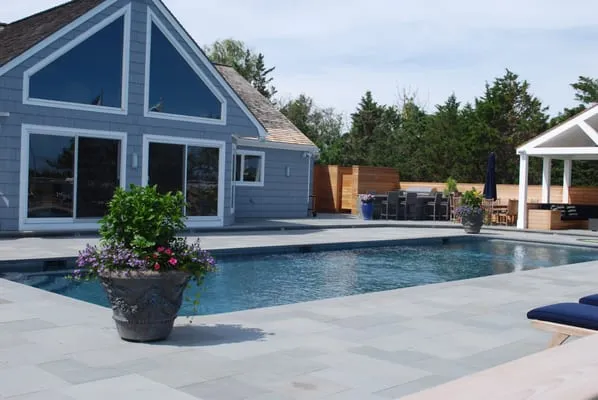
TLC Tree And Lawncare has been a trusted name in the Hamptons for over 30 years, providing dedicated landscaping and tree care services tailored to the unique environment of the East End. Based in Eas...
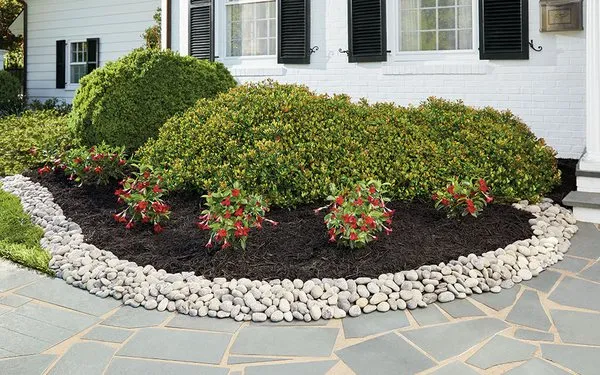
For over 25 years, B S Landscaping has been a trusted, Hispanic-owned landscaping service in East Quogue, dedicated to enhancing our local community. We offer comprehensive care from routine lawn mowi...
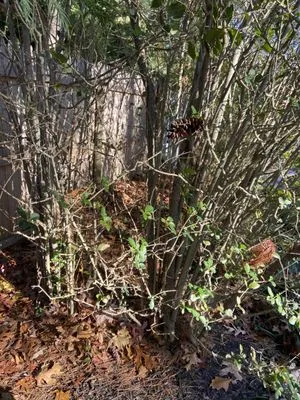
Augusta Lawn Care Services provides reliable, year-round property maintenance for homeowners in East Quogue and the surrounding Hamptons communities. We handle everything from routine lawn mowing and ...
Carter Landscaping is a trusted, local landscape service provider in East Quogue, NY. We understand the unique challenges homeowners face in our area, from inconsistent sprinkler coverage leaving dry ...

Superior Landscape Solutions
Superior Landscape Solutions is your East Quogue partner for creating and maintaining a healthy, beautiful yard. We understand the local challenges homeowners face, from persistent lawn moss to unsigh...
Northeast Masonry & Landscaping
Northeast Masonry & Landscaping is your trusted East Quogue contractor for durable masonry, expert landscaping, and comprehensive home construction. We specialize in everything from kitchen remodels a...
Hamptons Grow is a full-service landscaping and gardening company serving East Quogue, NY, and the surrounding Hamptons area. We specialize in addressing common local landscaping challenges like persi...
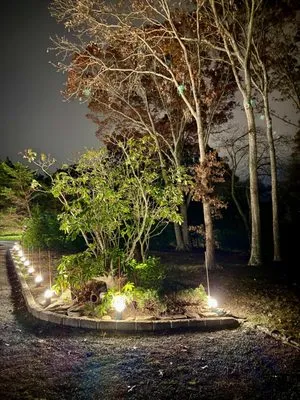
Hamptons Night Path is your trusted local expert in East Quogue, NY, specializing in electrical and landscape lighting solutions. We understand that East Quogue's natural beauty can be challenged by s...
Irrigation Worx H2o Pro is your trusted local irrigation, plumbing, and lawn care expert serving East Quogue, NY. We understand the unique challenges homeowners face with Long Island's soil, including...
Procare Landscaping is your dedicated East Quogue neighbor for reliable, professional yard care. We understand the common frustrations local homeowners face, like overgrown shrubs that block views and...
Frequently Asked Questions
Our yard never seems to hold water or nutrients. Is this common for East Quogue?
Yes, this is typical for homes built in the 1980s on East Quogue's acidic sandy loam. These soils are 45-50 years old and, without consistent organic inputs, have matured into a structure with very low water and nutrient retention. The rapid permeability means applied water and amendments leach out quickly. Annual core aeration and top-dressing with compost are required to build stable soil aggregates and increase cation exchange capacity, which directly counteracts the inherent limitations of this soil profile.
I've spotted what looks like Japanese Knotweed. How should I handle it?
Japanese Knotweed is a severe invasive threat on Long Island. Mechanical removal is often ineffective due to its rhizome network. A targeted, professional-grade herbicide application is typically required, but timing is critical under the Suffolk County Nitrogen Fertilizer Law. Treatment must occur during the plant's active growth phase, strictly outside the prohibited application period of November 1 to April 1, to be both effective and legal. Early identification and a managed multi-year control plan are essential for eradication.
A storm knocked down a large branch. How quickly can a crew respond for an emergency cleanup?
For an emergency cleanup in East Quogue Village Center, a dispatched crew can typically arrive within 45-60 minutes during peak response times. The standard route originates from the Quogue Wildlife Refuge area, proceeding north to Sunrise Highway (NY-27) for the fastest east-west transit. This timeframe accounts for traffic variables while ensuring compliance with Southampton Town's right-of-way and debris management protocols for immediate hazard mitigation.
Are permeable pavers a better long-term choice than a wooden deck for my patio?
For longevity and low maintenance in East Quogue's coastal environment, permeable concrete pavers and bluestone far outperform wood. They are impervious to salt, moisture, and insect damage that decay wooden structures. Furthermore, their non-combustible nature contributes directly to defensible space, a key consideration for properties in a Moderate Wildland-Urban Interface (WUI Zone 2) fire rating. The initial investment is offset by a lifespan exceeding 30 years with minimal upkeep.
My patio area floods briefly but then drains very fast. Is this a problem?
This indicates the high permeability of your acidic sandy loam, which allows rapid infiltration but can lead to nutrient leaching and erosion. It is a functional characteristic, not necessarily a failure. To manage surface runoff and meet Town of Southampton standards, installing permeable concrete pavers or bluestone set on an open-graded aggregate base creates a managed infiltration system. This hardscape solution captures water, allows it to percolate slowly into the subsoil, and reduces the pollutant load entering the watershed.
What permits and credentials should I verify before hiring a landscaper for major grading work?
For any significant grading or earthmoving on a 0.45-acre lot, you must verify two key credentials. First, the contractor must hold a Home Improvement Contractor license from the NYS Department of State. Second, the specific scope of work, especially if it alters drainage patterns or involves retaining walls over certain heights, requires a permit from the Town of Southampton Building and Zoning Department. Working with an unlicensed entity for this work invalidates insurance and can result in costly code violation corrections.
How can I keep my lawn green during the summer without wasting water?
Under Southampton's Stage 1 voluntary conservation, an ET-based smart irrigation system is essential. It calculates evapotranspiration daily, adjusting runtime to replace only the water lost from your Kentucky Bluegrass and Fine Fescue blend. This prevents overwatering on the highly permeable sandy soil, which would otherwise waste water through rapid infiltration. Properly calibrated, this technology maintains turf health while using 20-30% less water than a standard timer-based system, keeping you well within recommended municipal limits.
I want a lower-maintenance yard that's better for local wildlife. What should I plant?
Transitioning to a palette of native coastal plants like Beach Plum, Bayberry, Little Bluestem, and Butterfly Milkweed significantly reduces water, fertilizer, and maintenance demands. These species are adapted to the local pH and sandy conditions, requiring no supplemental irrigation once established. This approach also future-proofs your property against increasing restrictions on gas-powered equipment, as native plantings generate less debris and require minimal seasonal cleanup compared to high-input turfgrass.
