Top Landscaping Services in East Hampton North, NY, 11930 | Compare & Call
There are 203 landscaping companies server in East Hampton North NY
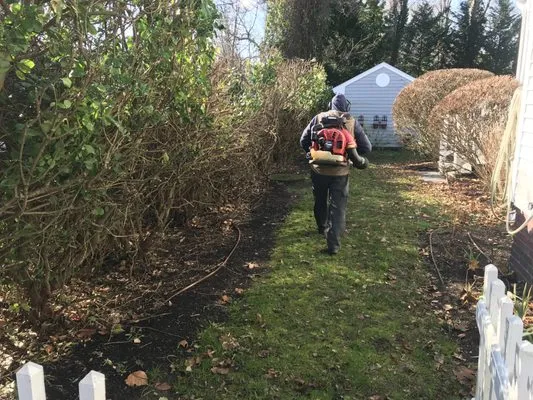
Eco Nature Janet Landscape Design
Janet of Eco Nature Janet Landscape Design brings a deeply personal and professional touch to landscaping in East Hampton. With 24 years of hands-on experience and a formal degree in landscape design,...
DiGirolamo Lawn Service is a family-owned Sag Harbor landscaping company, established in 1988. For over three decades, they have provided reliable property care across the East End, focusing on lawn m...
Cubero Landscaping has been a trusted part of the East Hampton community for years, building a reputation for reliable service and quality work. As a local leader, the company offers a full range of s...
CR Dayton Landscape is a trusted landscaping company serving East Hampton, NY, with expertise in addressing common local yard challenges. We specialize in correcting poor lawn grading and repairing tr...
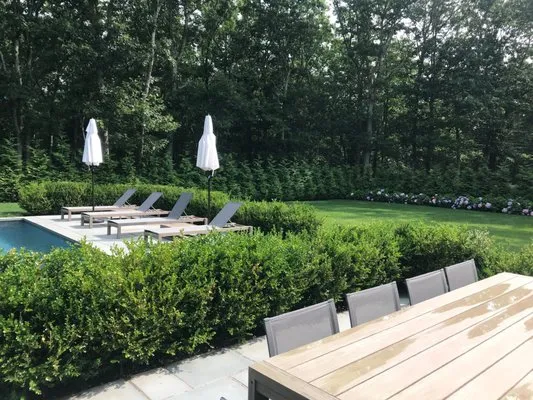
Arbortech Lawn & Tree Care
Arbortech Lawn & Tree Care is a locally owned and operated East Hampton company with over two decades of experience in the landscape industry. We provide a personal approach to organic lawn care, tree...
Rauscher Landscaping is a trusted local landscaping company serving Wainscott, NY, and the surrounding Hamptons area. We specialize in addressing common local landscaping challenges that homeowners fa...
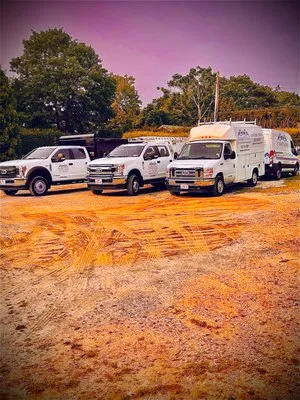
Hamptons Exclusive Property Management
Hamptons Exclusive Property Management is a full-service property management company based in Sag Harbor, NY, exclusively serving the Hamptons area. With over 11 years of experience, we provide compre...
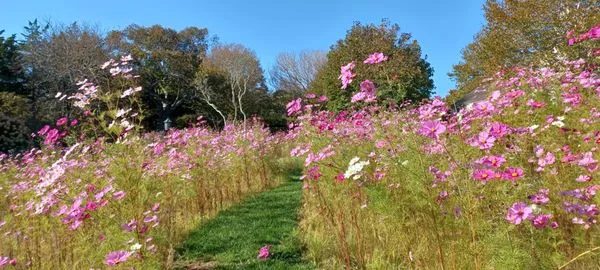
Gold Green Maintenance and Mowing is a dedicated local lawn care and gardening service serving East Hampton, NY. Specializing in comprehensive lawn care and gardening, the team understands the unique ...
Broadview Gardens has been a cornerstone of Sagaponack's landscape since 2002, dedicated to crafting and sustaining exceptional outdoor environments on the East End of Long Island. We specialize in a ...
Hamptons Superior Revegetation is a dedicated Sagaponack landscaping company focused on solving the common local challenges of weed infestation and sprinkler leaks. We specialize in restoring and main...
Estimated Landscaping Service Costs in East Hampton North, NY
Frequently Asked Questions
We want to reduce weekly mowing and loud maintenance. What's a truly low-input alternative to our traditional lawn?
Transitioning perimeter areas to a matrix of native plants like Beach Plum, Little Bluestem, Butterfly Milkweed, and Bayberry is the forward-looking strategy. This established palette requires no weekly mowing, minimal watering once established, and supports local pollinators. It directly reduces dependency on gas-powered blowers, aligning your property with evolving noise ordinances and creating a resilient, self-sustaining landscape layer.
We want to regrade part of our 0.75-acre lot. What permits and contractor credentials are required?
Any significant regrading that alters stormwater flow requires a permit from the Town of East Hampton Planning Department. Furthermore, for a lot of this size, the contractor must hold a Home Improvement License from the Suffolk County Department of Consumer Affairs. This licensing ensures they are bonded and insured for earthwork, which is critical as improper grading can create drainage liabilities for neighboring properties.
We have a last-minute event and need an emergency landscape cleanup. How quickly can a crew arrive?
For HOA compliance or event-driven cleanups, our standard dispatch from the East Hampton Town Hall area takes 20-30 minutes via NY-27 (Montauk Highway) to North Side properties, barring peak summer traffic. We maintain a dedicated electric fleet for these calls, ensuring immediate mobilization without violating the seasonal gas-powered equipment ban. Crews are equipped for rapid debris removal and final detailing.
Our yard pools water in some spots but is bone dry in others. What's the solution for this inconsistent drainage?
This is a classic symptom of highly permeable, variable sandy loam. The solution is a graded infiltration basin using permeable bluestone pavers for any new patios or walkways, which the Town of East Hampton Planning Department now encourages to manage runoff. For wet spots, a shallow French drain filled with washed gravel can redirect water to drier, more porous zones of the landscape, harmonizing the soil's natural permeability.
How can we keep our Fine Fescue and Kentucky Bluegrass healthy under Stage 1 water conservation rules?
An ET-based smart irrigation system is mandatory for effective conservation. It uses local weather data to apply water only when evapotranspiration demands it, preventing over-watering. For your sandy soil, we program multiple short cycles to avoid leaching and ensure deep root hydration. This method typically keeps turf health within municipal water limits, as the system automatically skips cycles during rainfall.
I've spotted what looks like Japanese Knotweed. How do we deal with invasives here with the local fertilizer rules?
Japanese Knotweed and Mugwort are high-priority invasive species alerts for this area. Eradication requires a targeted, systemic herbicide applied by a licensed professional during the plant's active growth phase, typically outside the April 1 to November 1 blackout period for nitrogen and phosphorus applications. Manual removal is often insufficient. We then immediately replant the area with aggressive native groundcovers to prevent re-establishment.
Is a bluestone patio better than a wood deck for durability and fire safety in our area?
Yes. Permeable bluestone pavers offer superior longevity with minimal maintenance compared to wood, which requires frequent sealing in this coastal environment. Critically, bluestone is a non-combustible material that contributes to defensible space, a key factor for your property's Moderate (WUI Zone 2) Fire Wise rating. It provides a permanent, safe hardscape that does not contribute to fire fuel load near the home.
My North Side property has soil that seems to drain too fast. Why is this happening, and what's the best long-term fix?
Properties built around 1980 in East Hampton North have soils that are now 40-45 years mature. The native acidic sandy loam was likely compacted during construction and has lost its organic matter through decades of rapid leaching. This results in poor water and nutrient retention. Core aeration followed by top-dressing with a locally sourced, fine compost is the recommended practice to rebuild soil structure and increase cation exchange capacity.
