Top Landscaping Services in East Hampton, NY, 11937 | Compare & Call


Pat Flores Landscape & Masonry Corp
Pat Flores Landscape & Masonry Corp is a trusted, licensed, and insured East Hampton landscaping and masonry company serving the community since 2007. We specialize in creating beautiful, durable outd...
Jacob Hamilton Gardens
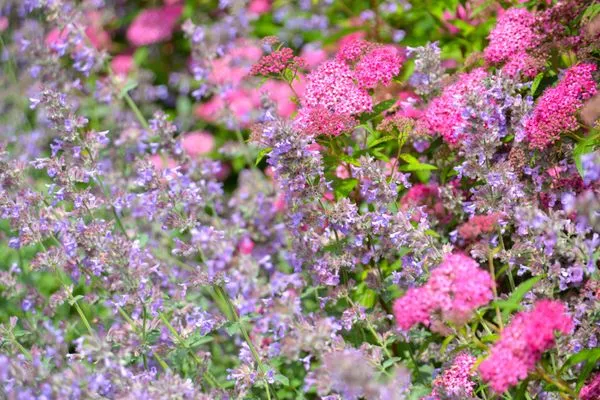
Jacob Hamilton Gardens is a landscape design and construction firm rooted in the natural beauty of the East End. With over 25 years of experience in East Hampton and the surrounding communities, we dr...
Greenfield Landscapers
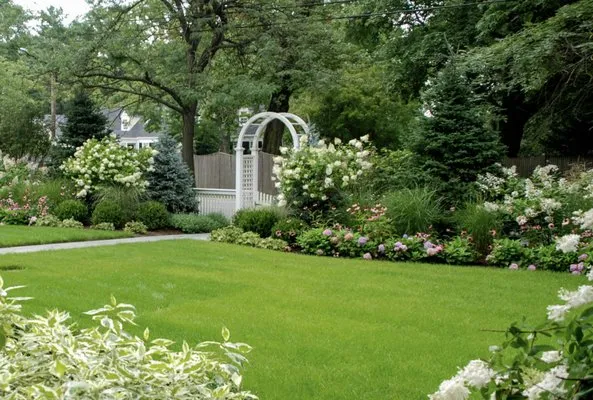
Since 2007, Greenfield Landscapers has grown from a one-person operation into a trusted, full-service landscaping company serving East Hampton and the South Fork from Southampton to Montauk. We've bui...
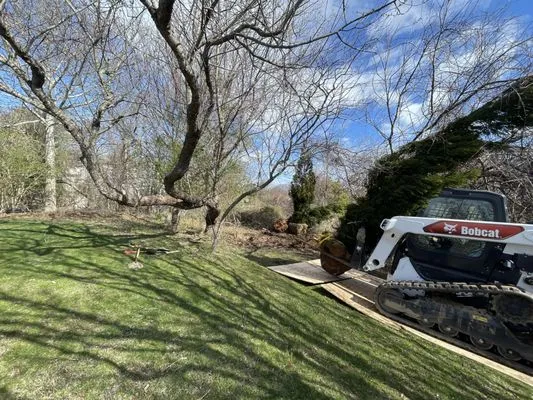
GreenView Landscapers has been serving East Hampton, NY since 2010 as a licensed and insured professional landscaping service. With experience ranging from large commercial properties to smaller custo...
Sperber Richard Landscaping is a dedicated East Hampton company specializing in creating and maintaining beautiful, functional outdoor spaces for homes and businesses on the East End. With a comprehen...

Groundworks Landscaping
Groundworks Landscaping is a family-rooted landscape design, installation, and maintenance company serving East Hampton and the Hamptons since 2002. Founded by partners Kim Hren, Linda Silich, and And...
Whitney's Landscaping has been a trusted name in East Hampton for over three decades, founded by John who holds a degree in Ornamental Horticulture from the University of Rhode Island and specialized ...
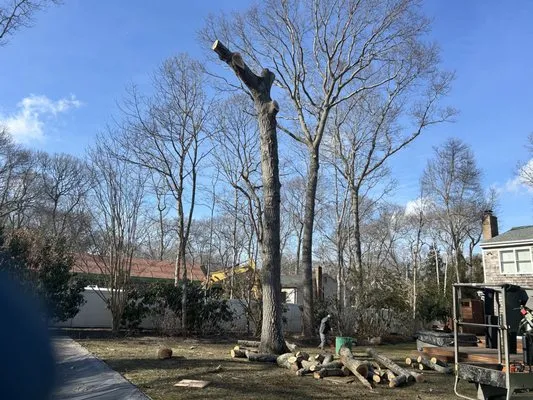
AM Landscape Services is a trusted East Hampton, NY landscaping company specializing in comprehensive tree care and landscape maintenance. We help local homeowners address common issues like tree root...
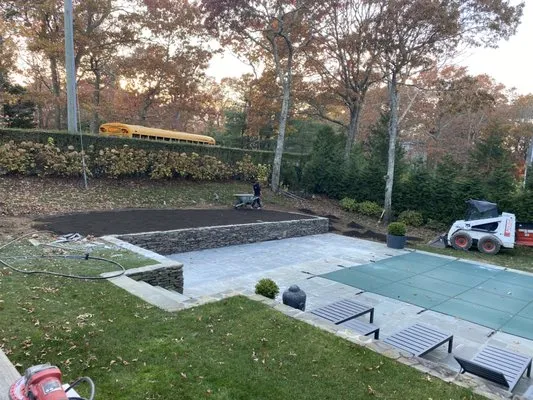
Juan Vargas Landscaping
Juan Vargas Landscaping has been a trusted presence in East Hampton for over a decade, building a reputation on meticulous craftsmanship and reliable service. Founded by Juan himself, this family-oper...

Kalbacher Richard Lawn Maintenance is a trusted, locally-owned landscaping service in East Hampton, NY, specializing in solving the common local problem of standing water and irrigation system failure...
Questions and Answers
How can I maintain a healthy lawn while following East Hampton's voluntary water conservation guidelines?
Wi-Fi ET-based irrigation with soil moisture sensors is engineered for this balance. The system automatically adjusts watering schedules using real-time evapotranspiration data from local weather stations, applying water only when the soil moisture deficit requires it. This precision prevents overwatering, conserves municipal resources during Stage 1 restrictions, and promotes deeper root growth in your Fine Fescue and Kentucky Bluegrass blend by mimicking natural dry cycles.
My lawn on our Village Center property doesn't hold water well and looks thin. Could the soil itself be the problem?
Soil maturity is a likely factor. On lots developed around 1948, the native acidic sandy loam has had nearly 80 years to settle and compact, reducing pore space for roots and water. This soil type naturally has high permeability, leading to rapid nutrient and water leaching. Core aeration in early fall, followed by top-dressing with compost, is critical to rebuild soil organic matter and improve moisture retention for your turf blend.
I want to reduce mowing and gas-powered tool use. What are ecologically sound alternatives to traditional turf?
Transitioning to a matrix of native groundcovers and grasses is a forward-looking solution. Species like Beach Plum, Little Bluestem, and Butterfly Weed are adapted to local soils and climate, requiring minimal supplemental water once established. This approach significantly reduces mowing frequency, eliminates reliance on gas-powered blowers during the seasonal ban, and provides superior habitat value, aligning with 2026 biodiversity and resilience benchmarks.
Is bluestone a good choice for a patio, considering our coastal environment and fire risk?
Bluestone is a superior, durable choice for coastal zones. Unlike wood, it is non-combustible, contributing to defensible space in this Moderate Coastal WUI Zone. Its density resists salt air corrosion and freeze-thaw cycles. When installed with a permeable base, bluestone pavers manage runoff effectively. Its longevity and low maintenance profile offer a permanent solution that outperforms organic materials in both durability and fire-wise landscaping principles.
We want to regrade a section of our half-acre lot. What permits and contractor qualifications are necessary?
Regrading on a 0.50-acre parcel typically requires a permit from the East Hampton Village Building Department, as it alters site drainage and may impact neighboring properties. The contractor must hold appropriate licensing through the New York State Department of State Division of Licensing Services. For significant earth movement, a licensed professional engineer may be needed to certify the drainage plan, ensuring it complies with all local sedimentation control and environmental regulations.
A storm brought down branches and debris. What is your typical response time for an emergency cleanup in the Village Center?
For HOA compliance or post-storm emergency cleanups, our standard dispatch from the Town Pond area via NY-27 (Montauk Highway) targets a 20-30 minute arrival. This accounts for peak traffic congestion. Our electric maintenance fleet, compliant with local noise ordinances, allows for immediate deployment without operational hour restrictions for debris removal and site stabilization.
Water seems to disappear too quickly from my garden beds, and fertilizer doesn't last. What's happening?
This is characteristic of our region's acidic sandy loam, which has high permeability. Water and soluble nutrients leach rapidly beyond the root zone. Mitigation involves amending planting beds with composted leaf mold or peat moss to increase water-holding capacity. For hardscape projects, specifying permeable installations of bluestone pavers can help manage site runoff and may be required by the East Hampton Village Building Department to meet updated stormwater standards.
I've spotted invasive vines. How should I handle them without breaking fertilizer rules?
Early identification and manual removal are key for invaders like porcelain-berry or oriental bittersweet. For persistent woody invasives, targeted cut-stump treatment with an approved glyphosate formulation can be effective outside of the Suffolk County Nitrogen Reduction Law blackout period (November 1 to April 1). Always prioritize non-chemical methods first, and ensure any soil amendments used for restoration are zero-nitrogen and zero-phosphorus to comply with local ordinance.
