Top Landscaping Services in Dover, NY, 12522 | Compare & Call
There are 110 landscaping companies server in Dover NY
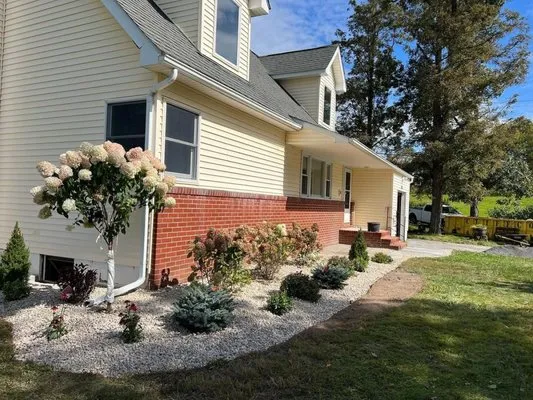
Gabe's Landscaping is a trusted local provider in Poughkeepsie, NY, offering comprehensive landscaping, gutter, and tree services. We specialize in landscape maintenance, lawn care, and tree care to a...
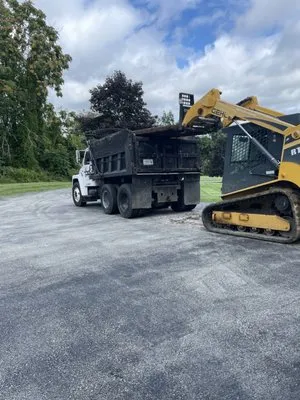
Since 2010, Dirty Gloves has been the Hyde Park community's go-to for property maintenance and junk removal. As the owner, I'm hands-on with every job, bringing over 15 years of experience and a commi...
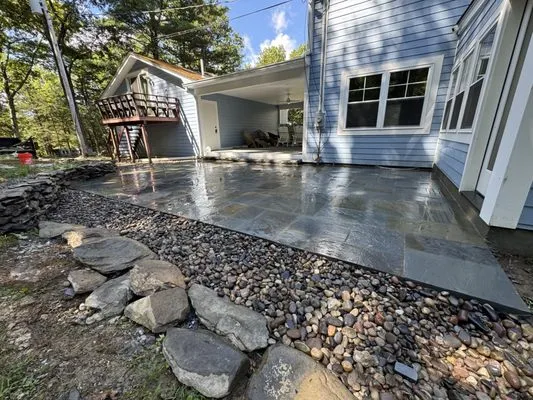
Cruger Contracting LLC is a locally-owned and operated landscaping, masonry, and excavation contractor based in Poughkeepsie, serving Dutchess County and the Hudson Valley. Founded by James Cruger, wh...
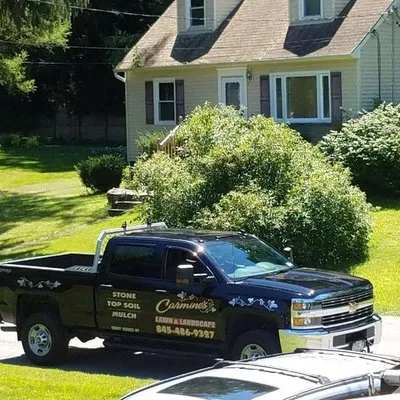
For over 25 years, the owner of Carmines Lawn and Landscaping has been deeply rooted in the Dutchess County landscape industry, bringing a wealth of local knowledge to every project. Since officially ...
Shea's Property Maintenance is a locally-owned and operated business serving Lagrangeville, NY, and surrounding areas. Founded in 2018, we began by providing reliable winter services including plowing...
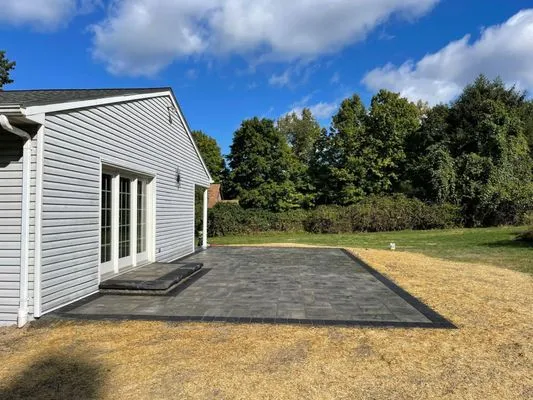
Vargas Outdoor Comfort is a family-owned landscape and masonry business serving the Poughkeepsie, Lagrangeville, Millbrook, and Wappinger areas since 2011. Founded by Eleuterio Vargas, who immigrated ...
Lawn Doctor of Wappingers Falls is your local partner for a thriving, healthy property. Serving homeowners throughout the Hudson Valley, our team specializes in comprehensive landscape maintenance and...
Daley's Lawn & Landscape has been a trusted presence in Pleasant Valley since 2002. Founded by Christopher Daley, the business began as Chris' Lawn Care, focusing on residential services. To support s...
DR Miscellaneous Odd Jobs And Lawn Care is your local Red Hook solution for maintaining a healthy, attractive lawn. We understand the specific challenges homeowners in our area face, such as unsightly...
Lehan's Lawn and Landscaping has been serving Hyde Park, NY, and the Hudson Valley since 2015, dedicated to enhancing local properties through expert landscaping and snow removal services. We speciali...
Estimated Landscaping Service Costs in Dover, NY
Q&A
How quickly can you respond to storm damage for HOA compliance in Dover?
Emergency cleanup crews dispatch from the Dover Stone Church area via NY-22, arriving within 45-60 minutes during peak conditions. This routing avoids residential congestion while maintaining compliance with daytime noise ordinances. Crews carry electric chainsaws and chippers to address fallen limbs immediately, documenting conditions for insurance purposes before beginning systematic debris removal.
Why does my Dover Plains soil seem compacted and acidic even after decades of gardening?
Dover Plains lots with 1945-era construction have 81-year-old soil systems. Acidic channery silt loam naturally compacts over time, reducing permeability and oxygen availability to roots. Core aeration every 2-3 years addresses this by creating channels for water infiltration and microbial activity. Adding organic amendments like composted leaf mold raises pH toward neutral while improving soil structure without chemical intervention.
What solutions address seasonal water pooling on my Dover property?
Seasonal high water tables in acidic channery silt loam require subsurface drainage systems. French drains with clean stone aggregate redirect groundwater away from foundations, while permeable bluestone pavers meet Dover Building Department runoff standards by allowing infiltration. Grading adjustments of 2% slope toward rain gardens capture and filter runoff, preventing erosion while recharging local aquifers naturally.
Can smart irrigation systems maintain healthy turf during Dover's voluntary conservation periods?
Wi-Fi soil moisture sensors prevent overwatering by measuring actual root zone conditions rather than operating on fixed schedules. These controllers adjust Kentucky bluegrass and fine fescue irrigation based on evapotranspiration rates, typically reducing water use 30-40% while maintaining turf health. During voluntary conservation, systems can be programmed to prioritize established native plantings over turf areas, staying well within municipal water allocation limits.
What invasive species threaten Dover landscapes and how are they managed safely?
Japanese knotweed and garlic mustard present the highest risks in Dover's acidic soils. Manual removal before seed set prevents spread without chemical intervention. For established infestations, targeted glyphosate applications during fall translocation periods avoid violating New York's phosphorus runoff law. Always coordinate treatments around the nutrient application blackout dates from November 1st to April 1st to protect watersheds.
What permits and licenses are needed for grading work on my 0.75-acre Dover property?
The Dover Building Department requires grading permits for any cut/fill exceeding 12 inches or affecting more than 500 square feet. Contractors must hold New York State Department of State licensing for landscape architecture or contracting when modifying drainage patterns. On 0.75-acre lots, engineered plans may be necessary if work occurs within 50 feet of wetlands or changes water flow to adjacent properties, with inspections at subgrade and final grade stages.
Why choose bluestone over wood for patios in fire-prone areas of Dover?
Bluestone pavers provide non-combustible defensible space required for NFPA WUI compliance in moderate fire-risk zones. Unlike wood decks that require chemical treatments and regular replacement, bluestone maintains structural integrity for decades with minimal maintenance. Its natural thermal mass moderates temperature extremes, and when installed with permeable joints, it reduces runoff better than sealed concrete or composite materials.
How can I reduce lawn maintenance while preparing for electric equipment requirements?
Replacing 30-50% of turf with Eastern red columbine, swamp milkweed, Joe-Pye weed, and little bluestem creates low-maintenance native plant communities. These species require no mowing, minimal watering once established, and support local pollinators. Transitioning now positions properties ahead of coming gas-blower restrictions under noise ordinances, as native plantings need only annual cutting back with electric tools in late winter.
