Top Landscaping Services in Dobbs Ferry, NY, 10503 | Compare & Call
There are 173 landscaping companies server in Dobbs Ferry NY
MSO Group NY is a Rockville Centre-based landscaping and hardscaping company with over 20 years of experience transforming outdoor spaces. We specialize in designing and installing custom patios, walk...
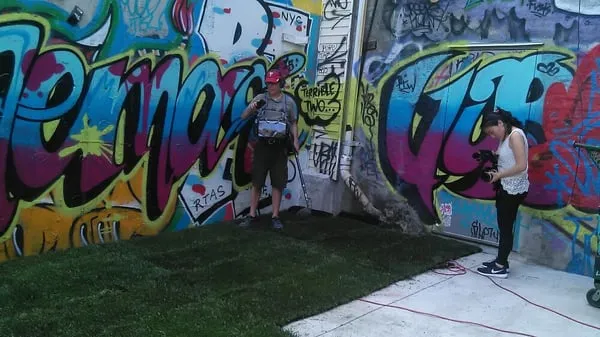
NYC Grass specializes in transforming challenging urban outdoor spaces throughout New York City and the tristate area. We excel at accessing hard-to-reach backyards that require navigating stairs and ...
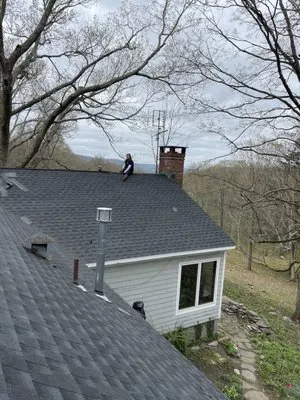
Donovan's Landscaping is a Poughkeepsie-based company specializing in comprehensive landscaping, flooring, and tiling services. We help local homeowners address common Hudson Valley challenges like so...
Serving Dobbs Ferry and Westchester County since 1999, Omega Landscaping is a fully insured and professionally licensed company dedicated to providing a complete range of quality outdoor services. Fou...
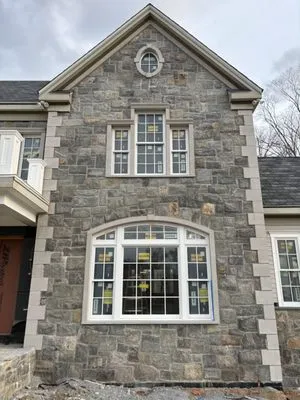
J & C Masonry & Landscaping, Inc. is a trusted, family-owned and operated business serving Ossining and surrounding Westchester County communities since 1998. As fully certified, licensed, and insured...
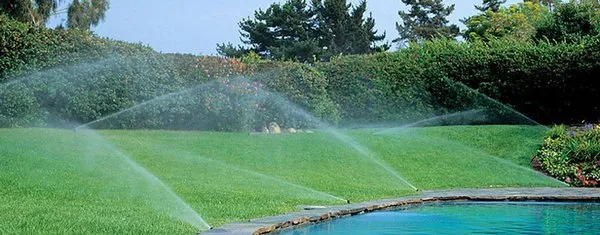
Sean's Lawn Care & Property Maintenance is a trusted, locally-owned business serving Elmsford and Westchester County with friendly, reliable service. We specialize in comprehensive lawn care and prope...
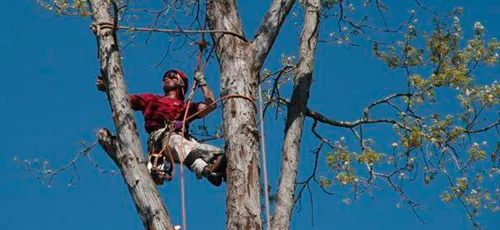
Harter Landscaping of Greenburgh is your trusted, local partner for maintaining beautiful and healthy outdoor spaces in Hartsdale, NY. We understand the common challenges homeowners face, such as irri...
G A G Landscaping
G A G Landscaping is a trusted, full-service landscaping company serving White Plains, NY, and the surrounding communities. We specialize in landscape maintenance and expert tree care, helping local h...
Green Gold Landscaping is a trusted local landscaping company founded by Ervin Gramajo, dedicated to providing reliable, professional service to the White Plains community and surrounding Westchester ...
Rosewater Garden Design
Rosewater Garden Design is a Sleepy Hollow, NY-based landscape architecture and gardening service founded on a simple, powerful idea: connecting people to nature. What began as a pandemic project to b...
Estimated Landscaping Service Costs in Dobbs Ferry, NY
Common Questions
My yard has soggy spots in spring and erosion on slopes. What's the solution?
Moderate seasonal saturation and slope erosion are common with dense glacial till soils. The primary strategy is improving subsurface permeability through strategic grading and installing French drains or dry wells to intercept water. For hardscape additions, using permeable set bluestone pavers creates a stable surface that manages runoff, often meeting Dobbs Ferry Building Department requirements for on-site water retention and reducing erosion vectors.
Why does my lawn struggle despite regular care, and what does my 1950s-built Highland Park home have to do with it?
Homes built around 1955 in this neighborhood are on 70-year-old soil profiles. The underlying acidic glacial till (pH 5.5-6.2) naturally limits nutrient availability and often has poor structure due to original construction compaction. This leads to shallow root systems and poor percolation. Core aeration and incorporating composted organic matter are essential to rebuild soil biology and correct the inherent acidity for healthy turf and planting beds.
Is bluestone or wood a better choice for a new patio in terms of longevity and safety?
Bluestone pavers offer superior longevity and lower lifecycle maintenance compared to wood, which requires regular sealing and is susceptible to decay. In our low Fire Wise rating zone, non-combustible bluestone also contributes to defensible space by not providing fuel. Its thermal mass can moderate micro-climate temperatures, and when installed with permeable techniques, it significantly outperforms wood in managing site drainage and stability.
What's your emergency storm response time for a downed tree in Highland Park?
For emergency cleanup requiring immediate dispatch, our standard peak response is 20-30 minutes to Highland Park. Crews are routed from our staging area near Dobbs Ferry Waterfront Park, using the Saw Mill River Parkway for direct access. We prioritize safety hazards and coordinate with Con Edison if utilities are involved, operating within the village's commercial hours ordinance.
What permits and credentials are needed for a significant grading or landscaping project on my 0.22-acre lot?
Any project altering drainage patterns or involving substantial earth movement on a 0.22-acre lot typically requires a permit from the Dobbs Ferry Building Department. The contractor must hold appropriate licensing through the New York State Department of State. This ensures they are bonded, insured, and knowledgeable about state environmental laws and local codes, particularly regarding soil disturbance, runoff control, and property line setbacks, protecting you from liability.
How can I keep my Kentucky Bluegrass healthy during Dobbs Ferry's Stage 1 water conservation?
Effective irrigation under voluntary conservation mandates precision. A Wi-Fi ET-based system schedules watering using real-time evapotranspiration data, applying water only when needed and in pre-dawn cycles to minimize loss. This technology, paired with proper mowing height for a Fine Fescue blend, builds drought resilience. It ensures turf health while keeping usage well within municipal guidelines, often reducing total water volume applied.
What invasive species should I watch for, and how do I handle them safely?
High-priority invasive alerts for our area include Japanese Knotweed, Mugwort, and Garlic Mustard. Manual removal or targeted, non-residual herbicide application is required, always following label instructions. Crucially, any follow-up soil amendment or seeding must comply with the New York State Phosphorus Runoff Prevention Act; no phosphorus can be applied except for establishing a new lawn, with strict adherence to seasonal blackout dates to protect the watershed.
I want a lower-maintenance, eco-friendly yard. What should I plant?
Transitioning to a climate-adaptive landscape is key. Replace high-input turf areas with layered plantings of Eastern Redbud, Sweet Pepperbush, Purple Coneflower, Wild Bergamot, and New England Aster. These natives support local biodiversity, require minimal watering once established, and reduce or eliminate the need for gas-powered blowers and mowers. This forward-looking approach aligns with evolving noise ordinances and enhances ecological function.
