Top Landscaping Services in Crompond, NY, 10547 | Compare & Call

There are 174 landscaping companies server in Crompond NY
IM Landscaping & Masonry
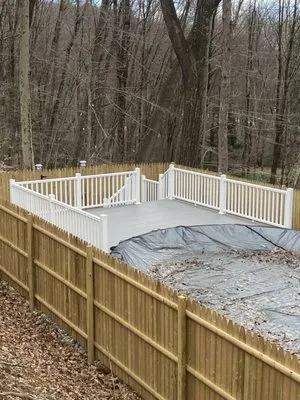
IM Landscaping & Masonry is a family-owned and operated Peekskill contractor with over a decade of trusted experience. Our licensed and insured team takes genuine pride in transforming local outdoor s...

Wally and Sons is a family-run, Brooklyn-based contracting firm dedicated to simplifying home and business projects. We combine construction expertise with practical property services, offering a comp...
Bunny Landscaping & Construction
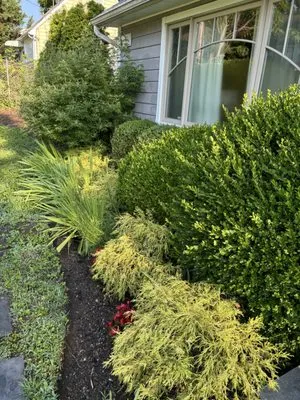
Founded in 2024 by David, Bunny Landscaping & Construction is a White Plains-based, hands-on company dedicated to improving local properties with reliable and honest service. Starting with a strong wo...
Six Diamonds Tree Services & Landscaping
Six Diamonds Tree Services & Landscaping is a family-owned business based in Pawling, NY, serving Putnam, Westchester, Dutchess Counties, and Western Connecticut since 1995. Founded by Maria and Manue...
SS Junk Removal is a trusted local service in New York, NY, specializing in both junk removal and expert landscaping solutions. We help homeowners tackle common local challenges like overgrown shrubs ...

Titan Ponds is your trusted, full-service landscaping and water feature expert serving Somers, NY. We understand that local homeowners face common challenges like overgrown, unruly shrubs and lawn dam...
Joseph Bulfamante & Son
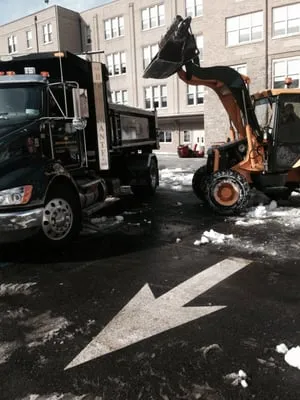
Joseph Bulfamante & Son is a family-owned landscaping, masonry, and concrete business proudly serving New Rochelle and the surrounding communities. For years, we have built our reputation on personali...

Nextlevel Landscape Lighting brings seven years of professional experience to New York, NY, now operating as an independent business owner dedicated to enhancing outdoor spaces. We focus on creating t...
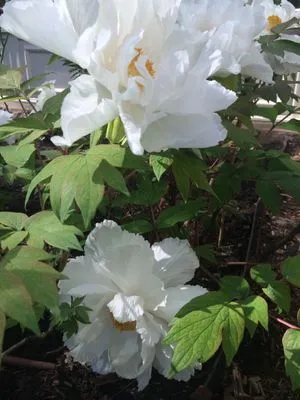
For over 25 years, our horticulturist has honed expertise working with prestigious firms across the metropolitan area, with formal training from the School of Professional Horticulture at the New York...
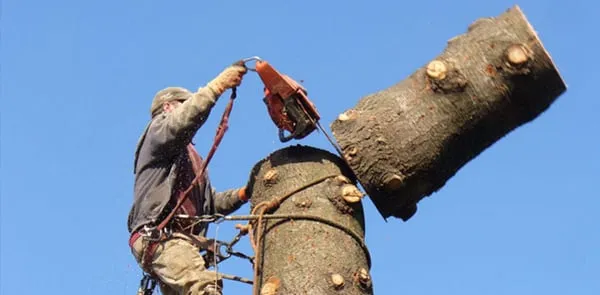
Double Tree Trimming & Removal is a licensed and fully insured tree service company serving residential and commercial clients throughout Connecticut and New York. With a focus on both tree care and c...
Estimated Landscaping Service Costs in Crompond, NY
Common Questions
Why do contractors emphasize licensing for regrading my three-quarter acre lot?
Significant earth movement on a property of this size can impact drainage patterns and structural stability, triggering review by the Town of Yorktown Planning Department. In New York, landscape contractors performing such work must hold specific licensing through the Department of State Division of Licensing Services. This ensures they carry adequate insurance and adhere to codes protecting your property and adjacent lots from runoff or erosion damage.
Can you handle an urgent HOA compliance cleanup after a major storm?
Yes. For emergency storm response in Crompond, we dispatch from our staging area near Franklin D. Roosevelt State Park. Using the Taconic State Parkway, our electric service vehicles can typically reach Crompond Estates within the 45-60 minute window, even during peak disruption. This allows for rapid debris removal and hazard mitigation to meet community standards before citation deadlines.
What's a lower-maintenance, eco-friendly alternative to my high-input lawn?
Transitioning sections to a native plant community is highly effective. Species like Eastern Redbud, Sweet Pepperbush, and Little Bluestem are adapted to Zone 6b and our acidic soil, requiring no fertilizer, minimal water, and infrequent care. This shift reduces mowing frequency and aligns with evolving noise ordinances that are restricting gas-powered blowers, as these plantings are maintained with quieter electric equipment.
What invasive species should I watch for, and how do I control them safely?
Japanese knotweed and mugwort are prevalent threats in our area. Manual removal or targeted, professional-grade herbicide application is required, always following label instructions. These treatments must avoid the New York State blackout dates banning phosphorus and other fertilizer applications to protect watersheds. Consistent monitoring and proper disposal of plant material are critical to prevent re-establishment.
Why does my established lawn in Crompond Estates look thin and struggle in summer despite fertilizer?
Properties built around 1962 have soil over 60 years old, which has become compacted and depleted of organic matter. The dominant acidic sandy loam here loses structure easily, limiting root depth and nutrient retention. Core aeration in early fall introduces oxygen and creates channels for water infiltration. Amending with compost builds humus, correcting the pH drift and dramatically improving the soil's water-holding capacity for healthier turf.
Is bluestone or pressure-treated wood better for a new patio that will last?
Bluestone pavers offer superior longevity and require less maintenance than wood, which decays and needs regular sealing. In our climate, bluestone's freeze-thaw resilience is excellent. For properties in Moderate Fire Wise zones, the non-combustible nature of stone also helps maintain the required defensible space, unlike wooden decks which can be a fuel source.
My yard has persistent soggy areas each spring. What's the long-term fix?
This is the seasonal high water table acting on poorly infiltrating sandy loam. Installing a French drain system tied to a dry well is the primary solution. For new patios or walkways, specifying permeable bluestone pavers set on an open-graded base can significantly reduce surface runoff. The Town of Yorktown Planning Department encourages such designs to manage stormwater on-site and meet modern permeability standards.
How can I keep my Kentucky Bluegrass lawn healthy under Stage 1 water conservation rules?
Smart Wi-Fi ET-based controllers are essential. They adjust watering schedules daily using local evapotranspiration data, applying water only when the turf needs it. This technology can reduce usage by 20-30% compared to traditional timers, keeping the grass blend healthy within voluntary limits. Deep, infrequent watering cycles encouraged by these systems promote deeper root growth, enhancing drought tolerance.
