Top Landscaping Services in Cornwall on Hudson, NY, 12520 | Compare & Call
There are 150 landscaping companies server in Cornwall On Hudson NY
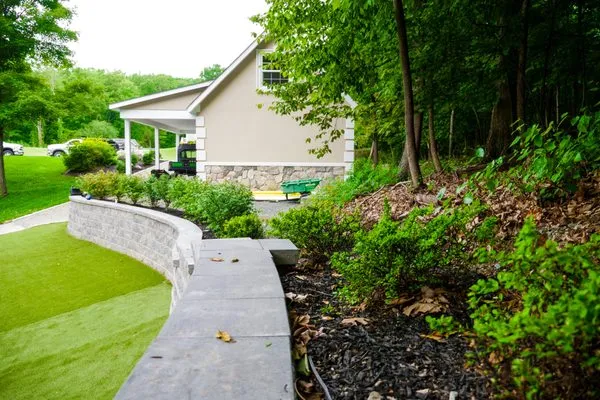
Kent Landscaping is a full-service Chester, NY, company dedicated to building and maintaining beautiful, functional outdoor spaces. We specialize in everything from initial design and major constructi...
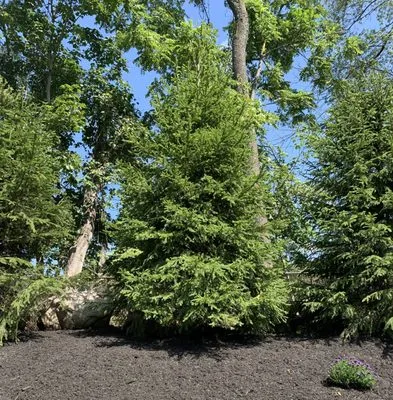
Knapp's Landscaping
Knapp's Landscaping is a family-owned and operated business serving the Suffern, NY community for over 35 years. We combine the expertise of a well-established company with the personalized, attentive...
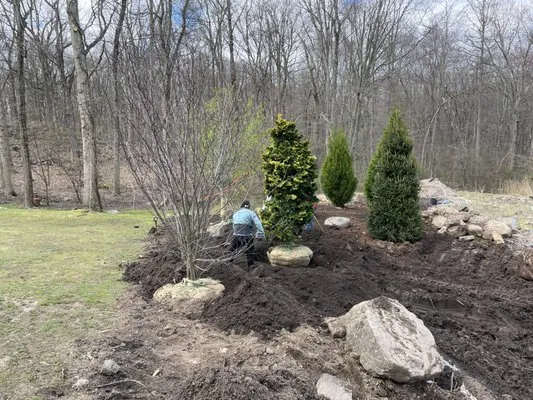
Cappella Enterprises Landscape Design & Developement
Cappella Enterprises Landscape Design & Development is a full-service company dedicated to transforming properties throughout the Hudson Valley, including Monroe, Orange, Dutchess, Rockland, Putnam, a...

Major Lawn Care Mark is a trusted local service provider in New Windsor, NY, offering comprehensive solutions for lawn care, snow removal, and junk hauling. We understand the unique challenges homeown...
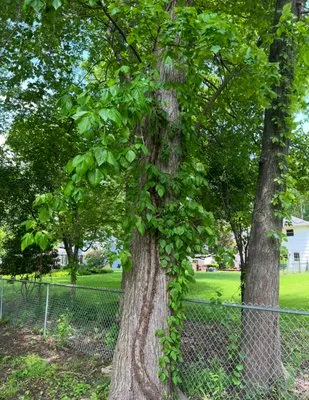
Founded in 2025, Leaves of Three brings over a decade of hands-on experience in chemical-free plant removal to Hopewell Junction. We started this business after seeing a clear need in our community fo...
Backwoods Landscaping is a Newburgh, NY-based company providing essential lawn care and junk removal services for local homeowners. We simplify property maintenance with straightforward solutions, fro...
For over two decades, Reliable Lawn Maintenance has been a cornerstone of property care in the Hudson Valley, built on the personal commitment of owner-operator James Cassese. We offer a dependable, c...
Coyopol Lawn Care is a trusted lawn service provider serving Newburgh, NY, and surrounding areas. We specialize in comprehensive lawn care solutions, including mowing, fertilization, and weed control,...
Joseph Tree Service and Lawn Maintenance
For over 35 years, Joseph Tree Service and Lawn Maintenance has been a trusted partner for homeowners in Carmel, NY, and the surrounding Hudson Valley. Founded in 1987, our family-owned business is bu...
All Seasons Ground Maintenance is a trusted, full-service landscaping company serving the Newburgh, NY community. We specialize in transforming your property into a personalized retreat, handling ever...
Estimated Landscaping Service Costs in Cornwall on Hudson, NY
Question Answers
My yard gets soggy for days after heavy rain. What's a lasting solution for this wet soil?
Persistent sogginess indicates the seasonal high water table interacting with your property's fine sandy loam, which has moderate permeability. A durable solution involves regrading to create positive slope away from foundations and installing a French drain system to intercept and redirect subsurface water. For new patios or walkways, using permeable bluestone pavers set on a gravel base can significantly reduce surface runoff, often helping projects meet the Village of Cornwall-on-Hudson Building Department's stormwater management standards.
What should I check before hiring someone to regrade my 0.35-acre property?
Verify two essential credentials. First, the contractor must hold a Home Improvement Contractor license through the New York State Department of State. Second, for any significant earth movement or drainage work, confirm they have pulled the necessary permits from the Village of Cornwall-on-Hudson Building Department, which will ensure the grading plan complies with local runoff and erosion control ordinances. On a lot of this size, improper grading can inadvertently redirect water onto neighboring properties, leading to liability issues.
My lawn seems thin and compacted. Is the soil in Cornwall Village just naturally poor?
Soil conditions here are a product of age and geology. With an average house age of 1954, your 72-year-old lot has soil that has been compacted by decades of foot traffic and machinery, reducing its permeability. The native acidic fine sandy loam (pH 5.5-6.2) is naturally prone to compaction, which limits root growth and water infiltration. Corrective action requires core aeration in early fall to relieve compaction, followed by top-dressing with compost to build organic matter and improve soil structure for the long term.
Is bluestone or a composite deck better for a new patio that will last and be safe?
Bluestone pavers offer superior longevity and fire resilience compared to wood or composite materials. As a natural stone, bluestone is non-combustible, a key factor for maintaining defensible space in Cornwall's Moderate Wildland-Urban Interface fire risk rating. Properly installed on a compacted gravel and sand base, a bluestone patio will remain stable for decades with minimal maintenance, while also providing a permeable surface that reduces heat island effect and manages stormwater more effectively than solid decking.
A storm knocked down a large branch. How fast can a crew get here for an emergency cleanup?
For emergency storm response, our dispatch from the Donahue Memorial Park area typically allows for a 20-30 minute arrival to Cornwall Village during peak conditions. The primary route is via US Route 9W, which we monitor for traffic delays. Crews are equipped with electric chippers and loaders that comply with local noise ordinances, enabling work to begin immediately upon arrival to secure the property and clear hazards from driveways and structures.
How can I keep my Kentucky Bluegrass lawn green during summer without violating water conservation rules?
Effective irrigation in USDA Zone 6b relies on precision, not volume. A Wi-Fi ET-based weather-sensing controller automatically adjusts watering schedules by using local evapotranspiration data, applying water only when the turf needs it. This technology can reduce water use by 20-30% while maintaining the health of your Kentucky Bluegrass and Fine Fescue mix. Even under normal voluntary conservation status, this system ensures you stay within responsible limits by preventing runoff and deep percolation losses.
I'm tired of weekly mowing and gas blower noise. Are there lower-maintenance, quieter options?
Transitioning to a landscape dominated by Hudson Valley natives like Eastern Redbud, Purple Coneflower, Wild Bergamot, and New England Aster creates a resilient, biodiverse habitat that requires minimal inputs. Once established, these plants need no weekly mowing, rare watering, and their fallen leaves can be left as natural mulch, eliminating the need for loud gas-powered blowers. This approach future-proofs your property against tightening noise ordinances and reduces your carbon footprint by leveraging electric maintenance equipment for occasional upkeep.
I see invasive vines taking over my shrubs. How do I remove them without harming my lawn or the river?
Invasive species like porcelainberry or bittersweet require a targeted approach. Manual removal of roots is best for small infestations. For larger problems, a precise, foliar application of a glyphosate-based herbicide in late summer can be effective, but timing is critical to avoid violating New York's Nutrient Runoff Law, which prohibits phosphorus applications and encourages careful chemical management near waterways. Always cut and treat vine stems to minimize overspray and protect surrounding desirable plants and soil biology.
