Top Landscaping Services in Cornwall, NY, 10930 | Compare & Call

Grassy Knoll is a locally-owned landscaping, masonry, and snow removal business serving Cornwall, NY and the surrounding Hudson Valley area. Founded in 2014 by Cornwall resident Al, who lives here wit...
Cornwall Power Equipment is your trusted local hardware and landscaping resource in Cornwall, NY. We specialize in providing homeowners with the reliable power tools, equipment, and expert advice need...

Foley Landscape Contractors is a trusted, local business serving Cornwall, NY, and the surrounding Hudson Valley. We specialize in comprehensive landscape management, snow removal, and masonry/concret...
Merino Landscaping is a trusted, local Cornwall business dedicated to solving common area landscaping challenges. Many Cornwall homes contend with issues like poor lawn grading that leads to drainage ...
Hershberger Property Management is a trusted local service provider in Cornwall, NY, specializing in lawn care and junk removal to address common property challenges in the area. Many Cornwall homes f...
B&B Lawncare is a trusted, family-owned lawn and landscape service proudly serving Cornwall, NY, and the surrounding communities. With years of experience, our team specializes in comprehensive lawn c...
CGL Arbor Services is a trusted, locally-owned arborist company serving Cornwall, NY, and the broader Hudson Valley since 2014. Founded and led by an ISA Certified Arborist with over two decades of ex...
Frequently Asked Questions
Why choose bluestone over wood for Cornwall patio installations?
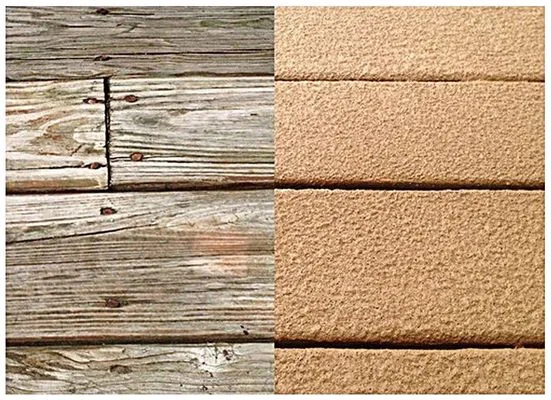
Bluestone pavers offer superior longevity and fire resistance compared to wood decking in Cornwall's climate. The natural stone withstands freeze-thaw cycles without warping or rotting, maintaining structural integrity for decades with minimal maintenance. This material supports Moderate WUI Zone 2 compliance by creating defensible space with non-combustible surfaces around structures. Bluestone's thermal mass moderates temperature extremes while its permeability rating exceeds municipal requirements for stormwater management in residential applications.
What solutions exist for seasonal saturation in Cornwall's clay-heavy soils?
Cornwall's acidic glacial till creates permeability challenges requiring integrated drainage solutions. We install French drains with clean stone aggregate and geotextile fabric to intercept subsurface water flow before it reaches building foundations. Permeable bluestone paver installations meet Town of Cornwall Building Department runoff standards by allowing 80-90% of stormwater to infiltrate naturally. These systems work with the existing soil profile rather than against it, reducing erosion while improving overall site drainage capacity during spring thaw periods.
What licensing requirements apply to grading work on my 0.35-acre property?
Grading operations on Cornwall's 0.35-acre lots require specific professional licensing through the New York Department of State, Division of Licensing Services. The Town of Cornwall Building Department mandates engineered grading plans for any cut or fill exceeding 18 inches due to slope stability concerns in glacial till soils. Licensed contractors must demonstrate competency in erosion control measures that comply with state sediment and runoff regulations. This ensures proper water management across property boundaries while preventing downstream impacts from altered drainage patterns.
How quickly can you respond to emergency storm damage for HOA compliance?
Our electric maintenance fleet dispatches from Donahue Memorial Park via US Route 9W within 25-35 minutes during peak response windows. This routing avoids residential congestion while meeting Cornwall's noise ordinance restrictions on gas-powered equipment. We prioritize safety assessments and temporary stabilization to prevent further property damage while coordinating with local authorities for debris removal permits. The electric equipment operates within Sunday hour restrictions while maintaining professional response standards.
How do I manage invasive species without violating fertilizer regulations?
Cornwall faces Japanese Knotweed and Garlic Mustard invasions that require targeted treatment strategies. We employ mechanical removal during dormancy periods followed by organic pre-emergent applications that comply with NY State's phosphorus ban. Treatment timing avoids blackout dates specified in the Nutrient Runoff Law while preventing soil disturbance during peak growing seasons. This integrated approach manages invasive pressure without chemical dependency, preserving soil microbiology while protecting nearby water resources from nutrient loading.
Can I reduce lawn maintenance while supporting local biodiversity?
Replacing high-maintenance turf with native plant communities creates ecological benefits while reducing operational costs. Eastern Redbud, Highbush Blueberry, and Switchgrass establish deep root systems that require minimal irrigation once established. This approach stays ahead of Cornwall's gas-powered leaf blower restrictions by eliminating weekly mowing and seasonal leaf removal. Purple Coneflower and Swamp Milkweed support pollinator populations while creating naturalized areas that require only annual maintenance rather than weekly attention.
Why does my Cornwall-on-Hudson lawn struggle with compaction and poor drainage?
Cornwall properties average 88 years of soil development since 1938 construction, creating mature but compacted acidic glacial till. This soil type naturally has pH 5.5-6.5 and clay-heavy subsoil that restricts root penetration and water movement. Neighborhood lots require annual core aeration to improve oxygen exchange and incorporate organic amendments like composted leaf mold. These interventions address the historical soil compaction while maintaining the acidic conditions preferred by native Hudson Valley species.
How do smart irrigation systems work during Cornwall's voluntary water conservation periods?
Wi-Fi ET-based weather sensing irrigation calculates evapotranspiration rates specific to Cornwall's USDA Zone 6a microclimate. These systems automatically adjust watering schedules based on real-time weather data, soil moisture sensors, and plant water requirements. During Stage 0 voluntary conservation, the technology maintains Kentucky Bluegrass and Fine Fescue blends with 20-30% less water than traditional timers. The system prioritizes deep, infrequent watering that encourages drought-tolerant root development while staying within municipal water allocation limits.
