Top Landscaping Services in Commack, NY, 11725 | Compare & Call

There are 208 landscaping companies server in Commack NY
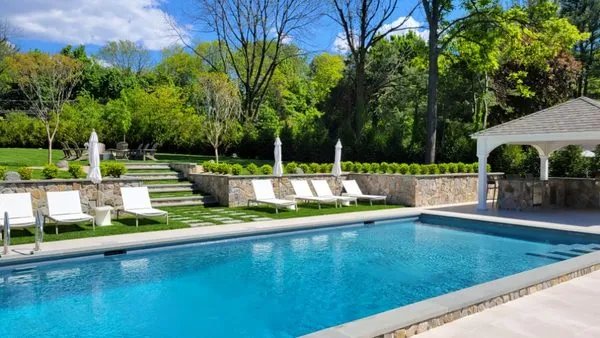
Design and Build Landscape
Design and Build Landscape is a Massapequa-based landscape architecture and construction firm serving Nassau and Suffolk counties. Founded and led by award-winning landscape architect Lance Elliott, w...

For over 23 years, JG Landscaping has been rooted in the Jamaica, Queens community, transforming outdoor spaces across New York City and Long Island. Founded on the principle of harmonizing natural be...
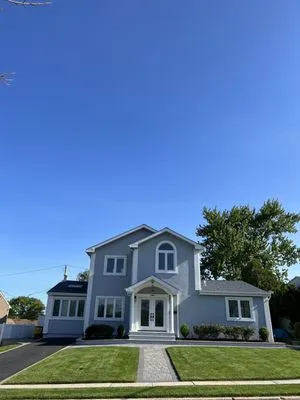
Long Island Lawn & Irrigation
Long Island Lawn & Irrigation is a Bethpage-based landscaping and irrigation company founded in 2010, built on over 18 years of hands-on experience. As the working owner, I'm directly involved in ever...
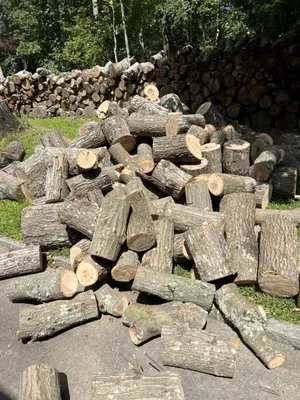
Lifetime Irrigation
Lifetime Irrigation Inc is a family-owned business deeply rooted in the East Meadow community, with 15 years of dedicated service to Nassau and Western Suffolk County. As a licensed and insured provid...
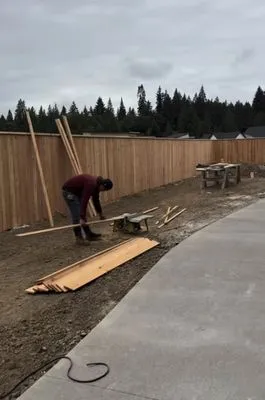
Macaslandscape Commercial & Residential services
For over 23 years, Macaslandscape has been a trusted name in Bay Shore, NY, providing comprehensive commercial and residential landscaping and property maintenance. Our experienced team handles everyt...
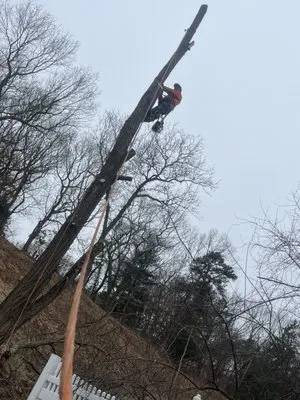
Victorio Tree Service & Landscaping has been a trusted name in Brentwood, NY, for over 21 years. Founded on a genuine passion for the craft, owner Victorio began his career learning from established c...

Garden Scapes
Garden Scapes is a Massapequa Park-based landscape design and installation company founded in 2013 by Nicholas B. With a background in architectural engineering and a passion for nature, Nicholas lead...
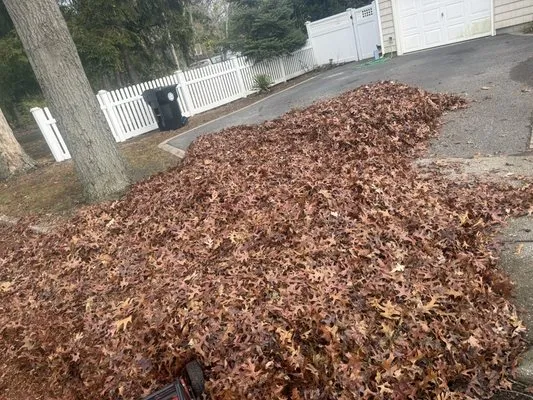
Pineda Landscaping has been caring for Brentwood yards since 2015, bringing over a decade of hands-on expertise to every project. What started as a dedicated mowing and planting service has grown into...
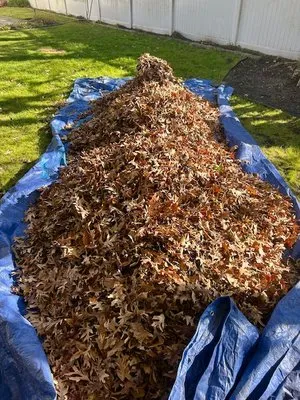
Evergreen Estates Landscape is a Farmingdale-based landscaping company dedicated to creating and maintaining beautiful, healthy outdoor spaces for Long Island homeowners. We offer a comprehensive rang...
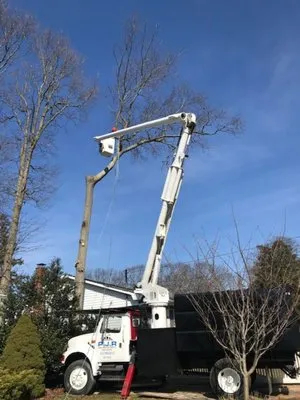
P.J.R Landscaping & Tree Service
P.J.R Landscaping & Tree Service is a family-operated business serving Bay Shore, NY, with comprehensive landscaping, tree care, and snow removal services. Founded and managed by Jose Perla, who bring...
Estimated Landscaping Service Costs in Commack, NY
Frequently Asked Questions
Why does my Commack Heights lawn struggle with compaction and poor drainage?
Commack Heights properties built around 1964 have 62-year-old soil systems where decades of foot traffic and conventional maintenance have degraded the original acidic sandy loam structure. This soil type naturally has moderate permeability, but compaction reduces pore space, limiting water infiltration and root growth. Core aeration every 1-2 years creates channels for air and water movement, while incorporating 1/4-inch compost improves organic matter content from typical 2% to 5%. These amendments address the pH 5.5-6.5 range by buffering acidity without requiring lime applications in most cases.
What permits and licenses are needed for grading my 0.35-acre property?
Grading projects altering more than 100 cubic yards of soil require Town of Huntington Planning & Environment Department permits for erosion control and drainage compliance, with additional review if work affects wetland buffers or steep slopes. Contractors must hold New York State Department of State licensing for home improvement work exceeding $500, with specific bonding requirements for excavation projects. On 0.35-acre Commack lots, professional surveys establishing existing grade and proposed contours prevent boundary disputes and ensure proper slope away from foundations. Licensed professionals carry insurance covering subsurface utility strikes and structural damage, which DIY approaches typically exclude.
Can I maintain Kentucky Bluegrass during Stage 1 water restrictions?
Wi-Fi ET-based weather sensing controllers optimize irrigation by adjusting schedules daily based on evapotranspiration rates, soil moisture sensors, and precipitation data. These systems reduce water use 20-40% compared to traditional timers while preserving turf health through precise application timing. For Commack's acidic sandy loam, programming delivers 1-1.5 inches weekly in 2-3 cycles to prevent runoff, with deeper morning watering encouraging root development below the seasonal high water table. This approach maintains the fine fescue blend's drought tolerance while staying well within voluntary conservation guidelines.
How do I control invasive species without violating fertilizer blackout dates?
Japanese stiltgrass and garlic mustard present the highest invasive risks in Commack, spreading rapidly through acidic sandy loam's open structure. Mechanical removal before seed set in late summer avoids chemical treatments, while targeted glyphosate applications during active growth phases (May-June) require precise calibration to prevent soil residual effects. These methods comply with Suffolk County's December 1-April 1 fertilizer prohibition by focusing on cultural controls during restricted periods. Post-treatment soil amendments with mycorrhizae inoculants restore microbial communities without synthetic nutrients, supporting native plant reestablishment.
Should I replace high-maintenance turf with native plants?
Transitioning 30-50% of Kentucky Bluegrass areas to Little Bluestem, Butterfly Milkweed, New England Aster, and Sweet Pepperbush reduces mowing frequency from weekly to 2-3 times annually while providing year-round habitat value. These natives thrive in Commack's acidic sandy loam without fertilizer inputs, aligning with Suffolk County's nitrogen reduction law restrictions. Electric maintenance equipment for native beds operates below 65 decibels, complying with noise ordinances while eliminating gas emissions. This approach creates layered canopies that support 2026 biodiversity standards through pollinator corridors and seed banks.
Are concrete pavers better than wood for Commack patios?
Concrete pavers with polymeric sand joints provide 25+ year lifespans versus wood's 10-15 years in Long Island's freeze-thaw cycles, with permeability rates of 0.5-1.0 inches/hour reducing runoff by 60% compared to solid concrete. Their non-combustible nature supports Commack's low Firewise rating requirements for defensible space in suburban residential zones, eliminating fuel continuity risks near structures. Proper installation with 4-6 inch compacted gravel bases and edge restraints prevents frost heave damage, while modular designs allow future reconfiguration without complete replacement. This durability justifies higher initial costs through reduced maintenance and replacement cycles.
How quickly can you respond to an emergency tree cleanup after a storm?
Emergency storm response from our Commack Motor Parkway dispatch point averages 25-40 minutes during peak conditions, using the Northern State Parkway for efficient access to Commack Heights. Our electric fleet meets residential noise ordinance requirements for operation after 8:00 AM, with battery-powered chippers and saws providing immediate debris processing. We prioritize safety assessments first, then implement a triage system addressing hazardous hanging limbs, blocked driveways, and structural threats before general cleanup. This protocol ensures HOA compliance while minimizing property damage risks during critical weather events.
What solutions prevent backyard flooding in Commack's sandy soil?
Moderate runoff issues in acidic sandy loam stem from seasonal high water tables reducing infiltration capacity during spring thaw and heavy rains. Installing French drains with clean gravel and perforated pipe at 18-24 inch depths intercepts subsurface flow, while permeable concrete pavers with polymeric sand joints provide 30-40% better surface infiltration than solid surfaces. These systems must meet Town of Huntington Planning & Environment Department standards for stormwater management, typically requiring 1% slope away from foundations. Combining subsurface and surface solutions addresses both saturation and sheet flow problems common in 0.35-acre Commack lots.
