Top Landscaping Services in College Point, NY, 11356 | Compare & Call
There are 193 landscaping companies server in College Point NY
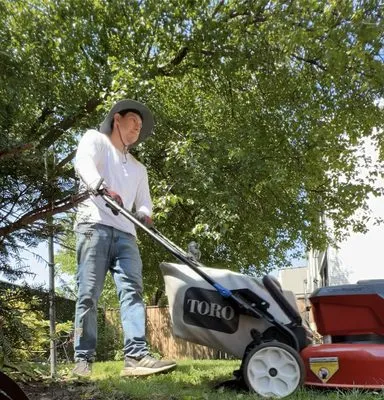
The Blue Sprayer brings a unique, science-based approach to landscaping in New York, NY. Founded by an experienced agronomist with deep expertise in turf, gardening, and landscape design, this busines...
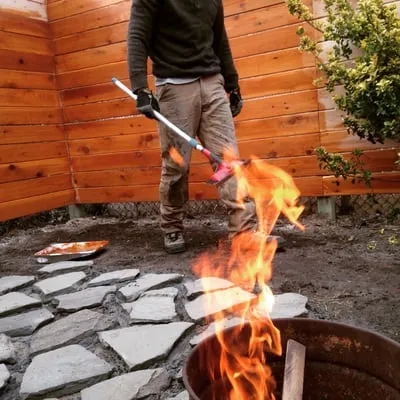
New York Garden Design & Landscape is a Woodside-based company specializing in custom outdoor solutions for New York City residents. With over a decade of experience working in the Hamptons, we bring ...
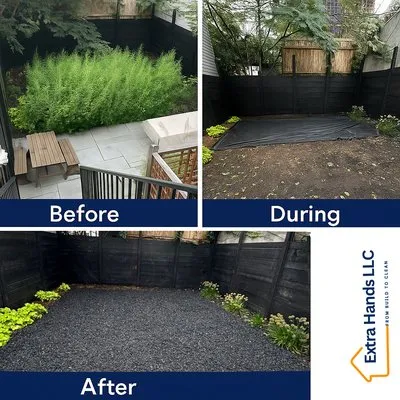
Extra Hands Solutions is a Queens-based service provider dedicated to helping local businesses and homeowners maintain and improve their properties. We specialize in commercial cleaning, landscaping, ...
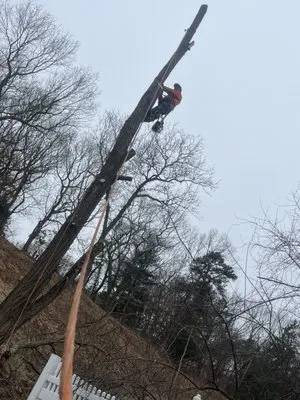
Victorio Tree Service & Landscaping has been a trusted name in Brentwood, NY, for over 21 years. Founded on a genuine passion for the craft, owner Victorio began his career learning from established c...
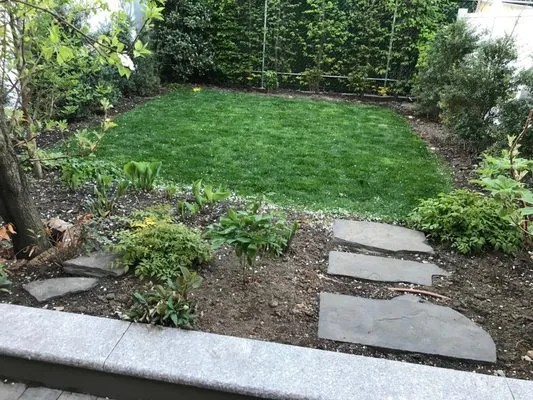
Sosa Irriscape is a Brooklyn-based landscaping and irrigation company dedicated to transforming outdoor spaces across the borough. We specialize in comprehensive solutions including irrigation constru...
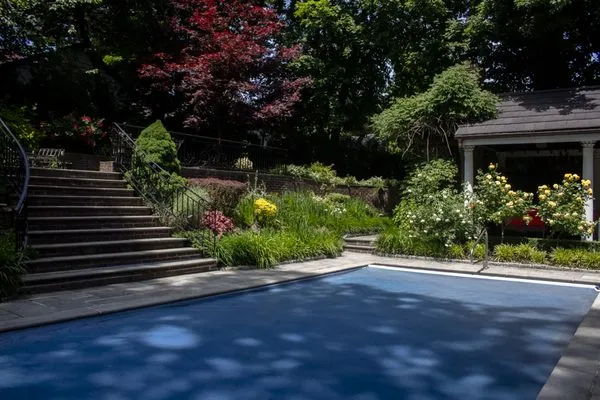
Lisena Landscaping and Garden Center is a family-owned, full-service landscape contractor serving Ozone Park and the surrounding communities. Founded in 1975 by Giuseppe Lisena, the company has grown ...
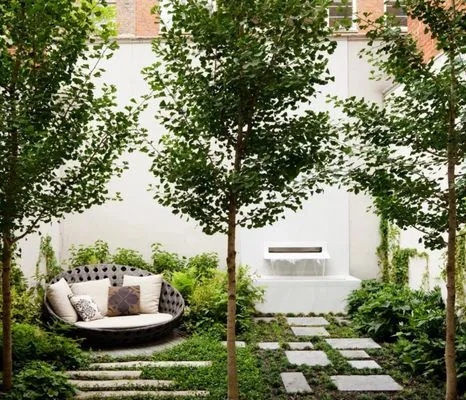
Garden Scapes
Garden Scapes is a Massapequa Park-based landscape design and installation company founded in 2013 by Nicholas B. With a background in architectural engineering and a passion for nature, Nicholas lead...
JS Landscaping Pro Corp is a locally owned and operated landscaping company with over 23 years of experience serving Queens, NY. We build our reputation on reliability and guaranteed results, offering...
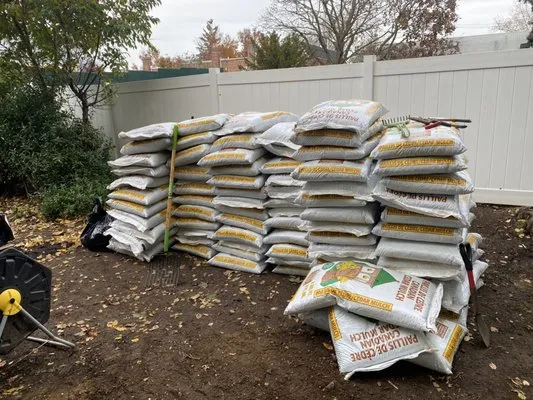
Simply Chores is a New York City home services company built on a simple idea: maintaining your property should be straightforward, not stressful. We grew tired of the endless back-and-forth, unrespon...
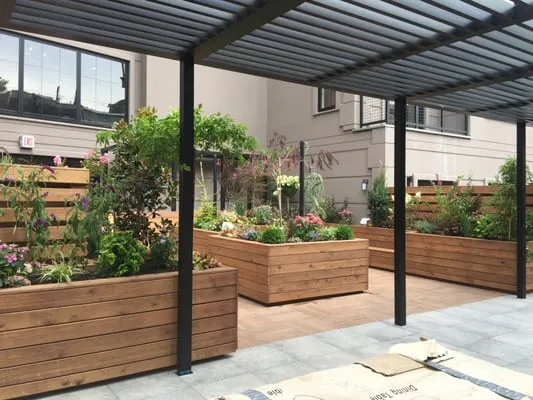
For over 25 years, L & G Design Corp has been a family-owned and operated fixture in the Queens, NY community. Our journey began with a simple love for working outdoors and a commitment to great custo...
Estimated Landscaping Service Costs in College Point, NY
Question Answers
What's the safest way to deal with invasive weeds like Japanese Knotweed?
Targeted foliar application of a glyphosate-based herbicide in late summer is most effective against persistent rhizomatous invaders. This treatment must be scheduled outside of New York State's nutrient runoff law blackout dates to prevent chemical movement into waterways. Manual removal is insufficient for established colonies; professional application ensures the chemical is contained to the target plant, preventing damage to nearby desirable vegetation.
My yard floods after heavy rains. What's the best solution?
Localized street flooding in College Point is exacerbated by sandy loam soils with poor percolation under urban fill. Installing a network of permeable concrete pavers, rather than solid concrete or asphalt, allows stormwater to infiltrate directly into the subsoil, mitigating runoff. This approach often meets NYC Department of Buildings' stormwater management standards for residential lots by reducing the burden on municipal drainage systems during coastal surge events.
How quickly can a crew arrive for an emergency storm cleanup?
An emergency dispatch from MacNeil Park via the Whitestone Expressway (I-678) to a College Point address typically requires 45-60 minutes during peak storm response. Crews are equipped with electric-powered tools to comply with local noise ordinances during restricted hours. This routing prioritizes access to areas most affected by coastal surge and localized street flooding for rapid debris removal and site stabilization.
Is there a lower-maintenance alternative to my high-input lawn?
Transitioning turf areas to a planting of Eastern Redbud, Switchgrass, Butterfly Milkweed, and New England Aster creates a biodiverse, climate-adaptive landscape. These natives require no weekly mowing, minimal irrigation once established, and support local pollinators. This shift also reduces dependency on gas-powered equipment, aligning with stricter decibel limits and future phase-outs, while building ecological resilience on a 0.12-acre lot.
Do I need a permit to regrade my backyard for better drainage?
Regrading that alters water flow or affects foundation drainage on a 0.12-acre lot typically requires a permit from the NYC Department of Buildings. This work must be performed by a contractor licensed by the New York State Department of State - Division of Licensing Services. Unpermitted grading can lead to violations, fines, and liability for downstream flooding, making professional consultation and proper permitting essential.
How do I keep my lawn green during voluntary water restrictions?
Wi-Fi ET-based weather-sensing controllers are calibrated for College Point's Zone 7b climate and soil percolation rates. These systems adjust irrigation schedules in real-time using evapotranspiration data, applying water only when needed to maintain Kentucky Bluegrass and Perennial Ryegrass mixes. This technology often reduces water use by 20-30%, keeping irrigation well within Stage 1 conservation guidelines while preserving turf health.
Are permeable pavers a better long-term choice than a wooden deck?
Permeable concrete pavers offer superior longevity and functionality compared to wood in College Point's coastal environment. They do not rot, warp, or require chemical treatments, and their installation directly addresses surface water management. While the urban density provides a low Firewise rating, pavers also create a non-combustible defensible space, adding a layer of safety while fulfilling a critical drainage function.
Why does the soil in my College Point yard seem so compacted and poor?
College Point homes, averaging 72 years old in 2026, sit on urban fill and sandy loam soils common to post-war development. This soil matrix often lacks mature organic structure, leading to low permeability and poor water retention. Annual core aeration combined with top-dressing compost is essential to rebuild soil tilth and support root systems. Without these amendments, turf and ornamental plantings will struggle to access nutrients and moisture efficiently.
