Top Landscaping Services in Colchester, NY, 12758 | Compare & Call
There are 160 landscaping companies server in Colchester NY
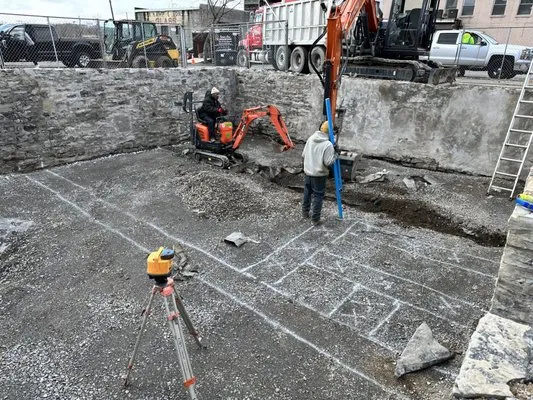
CC Paving & Excavating
CC Paving & Excavating is a third-generation, minority-owned construction company serving Syracuse and surrounding New York communities since 1958. As a certified Green business since 2008, we incorpo...
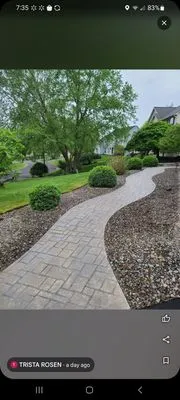
Michael Grimm Landscape & Tree Service
For over 45 years, Michael Grimm Landscape & Tree Service has been a trusted partner for Jamesville homeowners. Founded in 1978 with just a bicycle and hand tools, Michael's personal passion for plant...
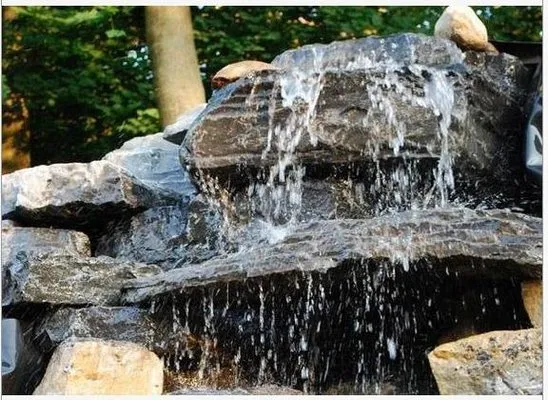
Tingley Landscapes is a design-build landscaping company serving Camillus, NY, and the greater Syracuse area with over 25 years of local experience. Founded by Steve Tingley, who holds a degree in Lan...
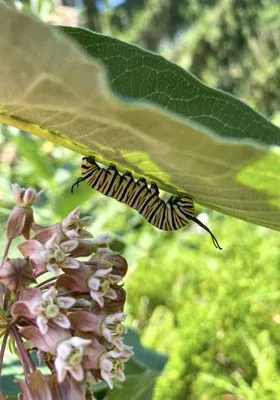
Poison Ivy Chronicles is a Cazenovia-based gardening and landscaping business serving Madison and Onondaga counties. We specialize in creating and maintaining beautiful, healthy outdoor spaces for bot...
Frazier And Son's Landscaping
Frazier And Son's Landscaping is a trusted, family-owned business serving Madison, NY, with comprehensive outdoor solutions. Specializing in landscaping, snow removal, and electrical services, they ad...
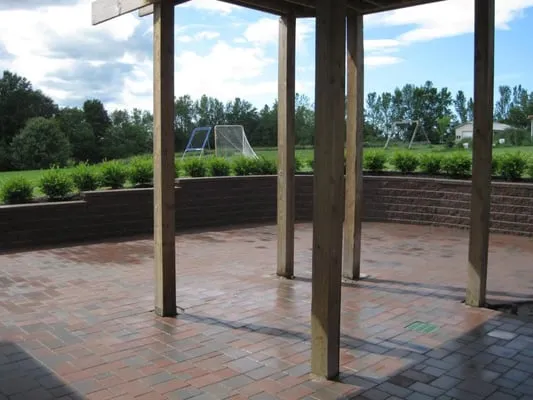
Central New York Landscaping, owned by Michael Cardinell, has been a trusted name in Auburn for over 20 years. Mike brings firsthand knowledge to every project, ensuring quality work at reasonable pri...
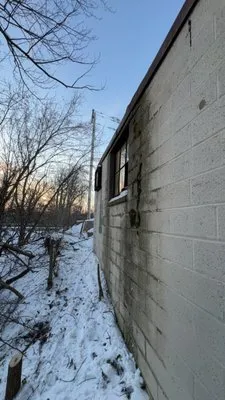
Bennett Landwork & Landscapes is a full-service landscaping and landwork company serving Binghamton, NY, and surrounding areas. We specialize in comprehensive property solutions, from landscape design...

Waite Demolition And Landscaping
Waite Demolition and Landscaping LLC is a Pulaski-based contractor offering a comprehensive range of demolition, construction, and landscaping services. We handle everything from major structural demo...

Thompson Brothers, Inc. has been a trusted contracting partner in Norwich, NY, for over 30 years. We specialize in general contracting, landscaping, and snow removal, handling everything from structur...

TnT Property Services is a professional and insured property maintenance company dedicated to keeping the North Country looking its best. Based in Carthage, NY, we serve residential and commercial cli...
Estimated Landscaping Service Costs in Colchester, NY
Q&A
My yard gets soggy and erodes on slopes. What's a lasting fix?
High runoff on acidic loam is a frequent Colchester issue due to seasonal saturation and compaction. Solutions start with regrading to create positive drainage away from foundations. Installing French drains or dry creek beds intercepts subsurface flow. For hardscapes, using permeable bluestone paver bases increases infiltration, which often meets Town of Colchester Building Department runoff management standards for new installations.
How quickly can you respond for an emergency storm cleanup to stay HOA compliant?
For urgent needs like post-storm debris removal, our dispatch from Covered Bridge Park via NY-17/I-86 targets a 45-60 minute arrival during peak conditions. Our fleet includes electric equipment compliant with Colchester's 7:00 AM start ordinance, allowing immediate, quiet work. We prioritize securing the site and clearing hazards to meet most compliance deadlines within the same business day.
Is bluestone or wood a better choice for a new patio?
Bluestone pavers offer superior longevity and permeability compared to wood, which decays and requires chemical treatments. In Colchester's Moderate Fire Wise zone, non-combustible bluestone also contributes to defensible space when installed with proper clearance from structures. Its natural density handles freeze-thaw cycles well, and when set on a gravel base, it manages the site's slope runoff effectively without contributing to erosion.
What permits and credentials are needed for a major regrading project?
Significant earthmoving on a 0.55-acre lot typically requires a grading permit from the Town of Colchester Building Department to ensure stormwater compliance. The contractor must hold appropriate licensing through the NY State Department of State, Division of Licensing Services. This ensures they carry required insurance and adhere to codes, which is critical for work that alters drainage patterns and could affect neighboring properties or protected slopes.
What invasive species should I watch for, and how do I treat them safely?
Japanese knotweed and garlic mustard are high-priority invasives in this area. Manual removal for small infestations is effective before seed set. For chemical control, use glyphosate-based herbicides applied precisely to foliage, strictly following label directions to protect nearby natives. This approach avoids phosphorus, complying with NY's Nutrient Runoff Law, and should be timed outside of peak spring growth to minimize impact.
What are low-maintenance alternatives to my high-input lawn?
Transitioning to a climate-adaptive landscape is strategic. Incorporating natives like Eastern Redbud, Serviceberry, and New England Aster builds resilience with deep roots that stabilize slopes and require no fertilizer. This xeriscaping approach drastically reduces mowing and watering, future-proofing your property against evolving noise ordinances targeting gas equipment and increasing biodiversity beyond 2026 standards.
How do I keep my Kentucky Bluegrass blend green without wasting water?
Despite no mandatory restrictions, voluntary conservation is critical. Smart Wi-Fi soil moisture sensors provide ET-based irrigation, applying water only when and where your specific turf needs it. This technology prevents overwatering on slopes, a common issue here, and can reduce usage by 30-50%. It maintains turf health precisely within the root zone, aligning with municipal water stewardship goals.
Why is my lawn so thin and compacted in the Downsville neighborhood?
Colchester's average home was built in 1961, meaning your soil profile is roughly 65 years old. Over decades, construction compaction and routine mowing have degraded soil structure in our acidic loam. This common history leads to poor percolation and reduced organic matter. Core aeration and incorporating compost are essential to rebuild porosity and support healthy turf or native plantings.
