Top Landscaping Services in Clymer, NY, 14724 | Compare & Call

There are 18 landscaping companies server in Clymer NY
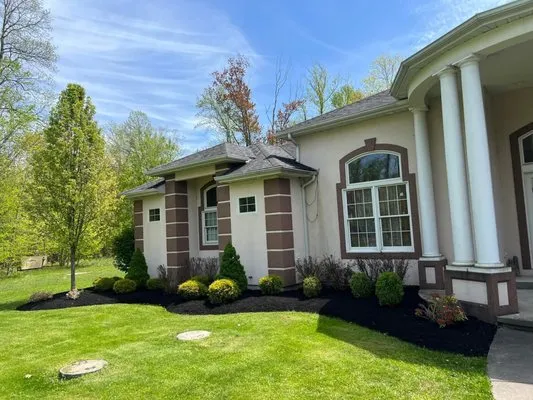
Elite Land Management is a Silver Creek, NY-based company specializing in excavation services, landscaping, and masonry/concrete work. Founded by Steven, the business is built on a passion for deliver...
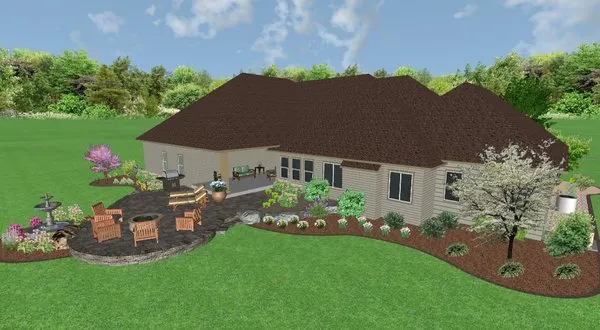
Menne Garden Artistry, based in East Amherst, is a dedicated landscaping company with deep roots in Western New York. Founded by Certified Nursery Professional and lead designer Kathy Menne, the busin...
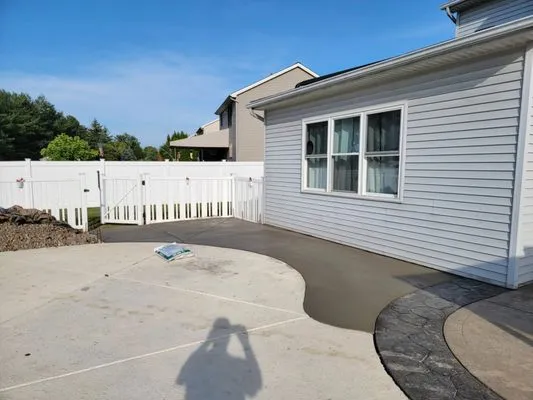
JDM Construction & Plowing is a trusted, owner-operated business serving Silver Creek, NY, and the surrounding communities. We specialize in general contracting, seasonal snow removal, and comprehensi...
Home Maintenance Maid Easy is a locally owned and operated business in Gowanda, NY, specializing in comprehensive cleaning and lawn care services. Founded by a Western New York native with years of ex...
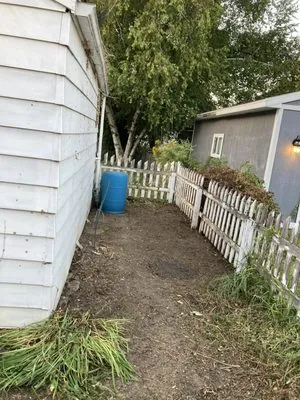
C&A Landscaping & Design is a locally owned and operated company in Jamestown, founded by Cameron and Andrew. We bring a hands-on, dedicated approach to every landscaping and tree service project, fro...
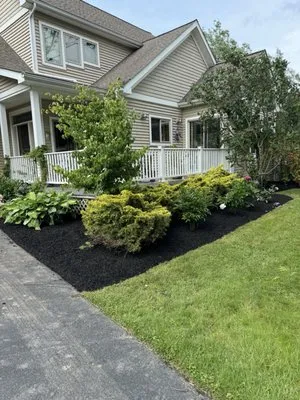
Valley Boys Outdoor Services LLC is a property maintenance company based in Stockton, NY, serving all of Chautauqua County. We provide comprehensive outdoor solutions including lawn care, landscaping,...
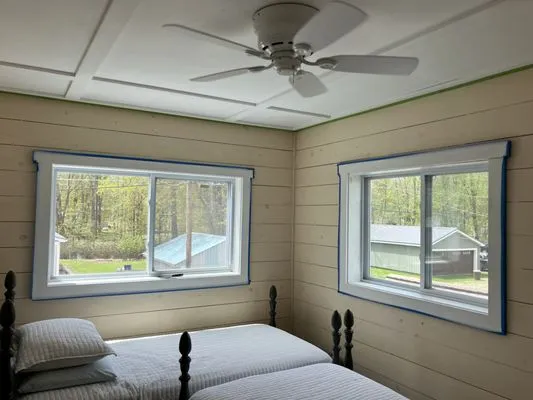
P&M Pressure Washing Services is a family-owned home maintenance provider in Jamestown, NY, specializing in pressure washing, landscaping, and general contracting. We offer a comprehensive range of se...
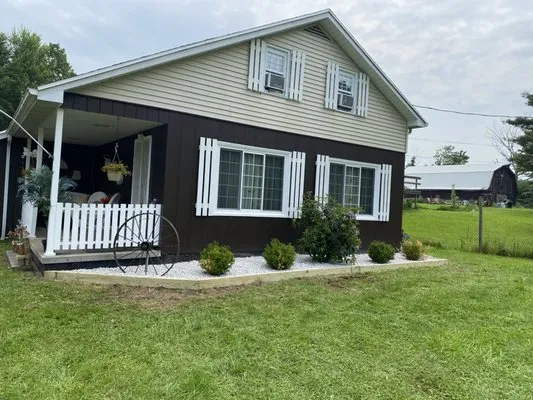
Let'z Mow It in Jamestown, NY, is a lawn care and gardening service founded on a simple, heartfelt mission: to help people who can't maintain their own yards. The owner started mowing lawns at age eig...
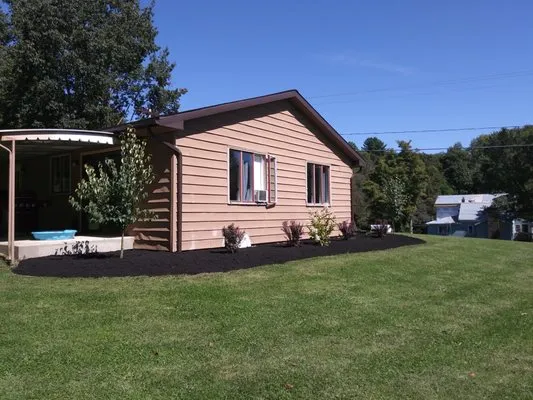
Dorler Landscape Designs has been serving the Jamestown community since 1998, providing reliable landscaping, snow removal, and irrigation services for both residential and commercial properties. Our ...

Landscape Logistics is a trusted, full-service landscaping company serving homeowners across the Jamestown, NY area. We specialize in comprehensive shrub care—from planting and pruning to disease and ...
Estimated Landscaping Service Costs in Clymer, NY
Question Answers
What permits and licenses are needed for grading my half-acre lot?
The Town of Clymer Planning Board requires grading permits for any significant earth movement on 0.50-acre properties, particularly when altering natural drainage patterns. Contractors must hold appropriate licensing through the New York State Department of State Division of Licensing Services for excavation work exceeding 18 inches depth. These regulations ensure compliance with NYS Nutrient Runoff Law by preventing sediment discharge into waterways. Professional licensing also guarantees proper handling of Clymer's acidic channery silt loam to maintain soil structure during modification.
How quickly can you respond to storm damage for HOA compliance?
Emergency cleanup crews dispatch from Clymer Central School via I-86, arriving within 45-60 minutes during peak response scenarios. This routing prioritizes accessibility to Clymer Village Center properties while accounting for seasonal saturation conditions. Standard daytime operating hours under Clymer's noise ordinance allow for immediate debris removal and safety mitigation. The response timeframe includes equipment mobilization for both manual and mechanical clearing operations.
What solutions exist for my property's persistent wet areas?
High seasonal saturation in Clymer's clay-heavy acidic soils requires French drains or dry creek beds using permeable local fieldstone. These systems redirect water while maintaining the Town of Clymer Planning Board's runoff standards. Bluestone patios should incorporate gravel bases with 6-8 inches of permeability to prevent pooling. For severe cases, regrading with organic amendments improves the channery silt loam's structure, increasing percolation rates by 30-50%.
Can I reduce mowing while maintaining property value?
Replacing high-maintenance turf with sugar maple, eastern white pine, New England aster, and bee balm creates climate-adaptive xeriscaping that thrives in USDA Zone 5b. This approach reduces weekly mowing requirements while providing year-round visual interest. Transitioning to electric maintenance equipment anticipates future noise ordinance developments regarding gas-powered blowers. Native plantings also support 2026 biodiversity standards through pollinator habitats and reduced chemical inputs.
How do I manage invasive species without chemical runoff?
Japanese knotweed and garlic mustard pose significant risks in Clymer's rural forest interface. Manual removal before seed set combined with solarization tarps prevents spread without violating NYS Nutrient Runoff Law phosphorus restrictions. Treatment timing avoids blackout dates when soil saturation increases runoff potential. For persistent infestations, targeted glyphosate applications in fall when native plants are dormant minimize ecosystem impact while addressing moderate Firewise rating concerns.
Is bluestone or wood better for long-term durability?
Bluestone and local fieldstone outlast wood by decades in Clymer's freeze-thaw cycles, requiring minimal maintenance beyond occasional joint sand replenishment. These materials support defensible space requirements for moderate Firewise ratings through non-combustible surfaces. Proper installation with 4-6 inch compacted gravel bases prevents heaving in acidic channery silt loam soils. Stone hardscapes also mitigate drainage issues through natural permeability, unlike impermeable wood decking systems.
Why does my Clymer Village Center lawn struggle despite regular care?
Clymer's acidic channery silt loam soil (pH 5.5-6.5) has developed over 65 years since the average 1961 home construction. This extended timeframe has allowed soil compaction to reduce permeability, particularly in neighborhood lots with clay-heavy pockets. Core aeration every 2-3 years combined with organic amendments like composted leaf litter addresses the poor drainage while maintaining appropriate acidity for native species. The soil's natural acidity actually benefits sugar maples and eastern white pines, but requires monitoring for turfgrass health.
Should I install an irrigation system with Clymer's abundant rainfall?
Despite no municipal water restrictions, moisture-sensor based drip systems optimize Kentucky bluegrass and fine fescue health while preventing overwatering. These systems apply water only during dry periods, typically 0.5-1 inch weekly when precipitation falls below evapotranspiration rates. Manual seasonal systems require regular adjustment for Clymer's variable precipitation patterns. Both approaches prevent the poor drainage exacerbation common in clay-heavy pockets of acidic channery silt loam soils.
