Top Landscaping Services in Clifton Springs, NY, 14432 | Compare & Call

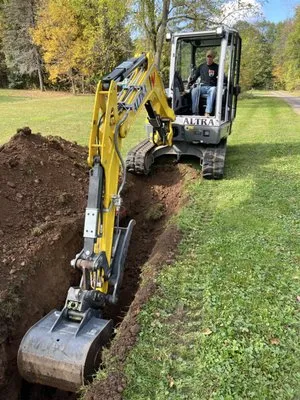
OPP Excavating & Construction
For over 30 years, OPP Excavating & Construction has been a trusted partner for property owners in Clifton Springs and across Ontario County. Founded by local resident David Lathrop, our team brings d...
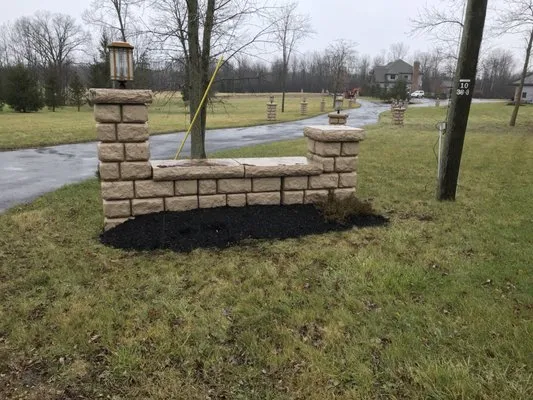
Core Home Services
Core Home Services is a Clifton Springs-based company founded in 2015 by local entrepreneur Jon Mickelsen. Drawing on over a decade of experience that began with his father's cleaning business in 2008...
Based in Clifton Springs, Cornerstone Outdoor Services specializes in creating and maintaining healthy, vibrant outdoor spaces. We provide comprehensive landscaping solutions, from initial irrigation ...

T Sands Contracting is a trusted, locally-owned lawn care provider serving Clifton Springs, NY, and the surrounding Finger Lakes region. We specialize in reviving lawns suffering from common local pro...
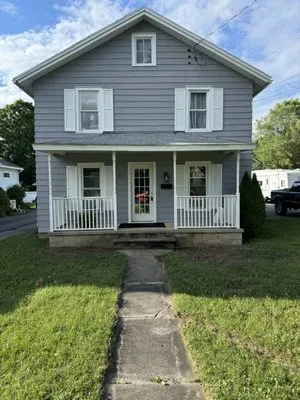
FLX Gutters & Lawn Care is your trusted local partner for protecting your Clifton Springs home and maintaining its landscape. We understand the specific challenges local homeowners face, such as deali...

Buzz Brothers is a locally owned and operated lawn and yard care service based in Clifton Springs, NY. We specialize in providing reliable and professional maintenance for both residential and commerc...
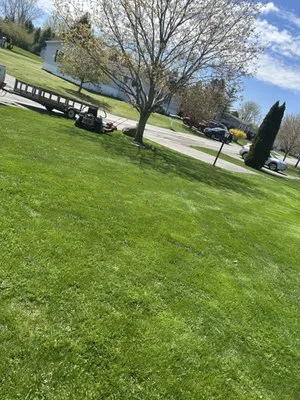
Caster Oil & Lawn is a trusted lawn care provider serving Clifton Springs, NY, dedicated to helping homeowners maintain beautiful, healthy outdoor spaces. We specialize in comprehensive lawn care serv...
Vargas Lawncare And More is a trusted local lawn service and snow removal provider serving Clifton Springs, NY. We specialize in comprehensive lawn care and reliable snow removal, helping homeowners m...
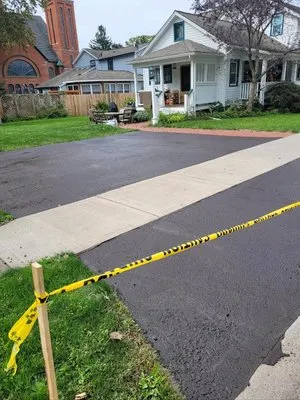
Silver Creek Property Maintenance, established in 2017 and based in Clifton Springs, NY, is a dedicated property maintenance company specializing in landscaping and asphalt maintenance services. We fo...
Q&A
Why does the contractor need a special license to regrade my backyard?
Regrading alters water flow and can impact neighboring properties and municipal systems. For a 0.25-acre lot, significant earthwork requires compliance with Clifton Springs Village Code Enforcement regarding erosion control and drainage. In New York, this type of site work mandates a contractor hold appropriate licensing through the Department of State Division of Licensing Services, ensuring they carry required insurance and adhere to state building and environmental codes.
My yard is soggy every spring and the walkway is heaving. What's the cause and fix?
This is a classic symptom of our local conditions: silt loam soil holds water, leading to spring saturation and subsequent frost-heave. Improving subsurface drainage is key. For hardscape solutions, specifying permeable installation techniques for bluestone or concrete pavers allows water infiltration, reducing surface runoff and heave pressure. This approach often aligns with Village Code Enforcement standards for managing stormwater on-site.
How do I keep my Kentucky Bluegrass lawn healthy without wasting water?
Effective irrigation in Clifton Springs relies on precision, not volume. While under Stage 0 restrictions, conserving potable water remains a priority. Installing smart Wi-Fi soil-moisture sensors allows an ET-based irrigation schedule, delivering water only when the root zone of your grass mix requires it. This technology prevents overwatering, mitigates spring saturation issues, and maintains turf health within municipal system limits.
A storm dropped a large limb. How quickly can a crew arrive for emergency cleanup?
For urgent situations like storm debris blocking access, we prioritize a rapid response. Dispatching from a central location near the Clifton Springs Sanitarium, the route via NY-96 typically allows a crew to reach most Downtown Historic District properties within 20-30 minutes during peak conditions. This enables safe, swift removal to restore property safety and function, operating within the 8:00 AM to 8:00 PM commercial equipment window.
My lawn in the Downtown Historic District is thin and compacted. Is this just because it's old?
Properties in this area, built around 1938, have soil nearly 90 years in development. This extended timeline with traditional maintenance has led to a dense silt loam structure with low permeability. The soil's natural pH of 6.5-7.2 is suitable, but compaction from decades of use severely limits root growth and water percolation. Core aeration and incorporating composted organic matter are essential to rebuild soil tilth and biological activity.
Is bluestone a better choice than a wood deck for a new patio?
For long-term durability and value in our climate, bluestone is superior. It withstands freeze-thaw cycles with minimal degradation, requires no sealing or staining, and does not rot or attract pests. In terms of site safety, its non-combustible nature contributes to defensible space, a consideration even in our low Fire Wise rating urban setting. A properly installed bluestone patio will outlast several generations of wooden structures.
I'm tired of weekly mowing and gas equipment noise. Are there quieter, lower-maintenance options?
Absolutely. Transitioning defined lawn areas to a planting of native species like Little Bluestem, Bee Balm, New England Aster, and Common Milkweed drastically reduces maintenance. These deep-rooted plants require no mowing, minimal watering once established, and provide critical habitat. This shift pre-adapts your landscape to evolving noise ordinances and supports local biodiversity, moving beyond the resource-intensive turf cycle.
I see a fast-spreading vine. How do I handle invasive plants without harmful chemicals?
Early identification and consistent mechanical removal are most effective for common invasives like Oriental Bittersweet or Garlic Mustard. For severe cases, targeted, professional-grade herbicide applications timed to the plant's lifecycle may be necessary. All treatments are executed in strict compliance with NYS Nutrient Runoff Law, which prohibits phosphorus use on established lawns and dictates careful product selection to protect watersheds.
