Top Landscaping Services in Clay, NY, 13027 | Compare & Call
There are 190 landscaping companies server in Clay NY
Landscape Cosmetix is a trusted lawn care and snow removal provider serving Camillus, NY homeowners. We specialize in addressing common local landscaping challenges like persistent mulch bed weeds and...
D+J Landscape & Construction is a locally owned and operated business in Lacona, NY, founded by Dylan who brings years of hands-on experience from working in construction with family since childhood. ...
Clarkes Landscape Solutions
Clarkes Landscape Solutions is a locally owned and operated business in East Syracuse, founded by an experienced professional with deep roots in the area's landscaping industry. After serving as gener...
Syracuse Lawn & Maintenance
Syracuse Lawn & Maintenance is a locally owned and operated landscaping and snow removal company serving Liverpool, NY, and surrounding Onondaga County communities. With over 20 years of experience, w...
Hummells Property Maintenance is a Memphis-based landscaping and demolition company dedicated to transforming local properties. We specialize in comprehensive solutions for common Memphis landscaping ...
Alex Lawn Care is a trusted local lawn service provider in North Syracuse, NY, specializing in comprehensive lawn care solutions tailored to the unique needs of our community. We understand the common...
We Fix It is your trusted local expert in Williamstown, NY, specializing in tiling, landscaping, and cabinetry services. We understand the unique challenges homeowners face in our area, particularly w...
Syracuse Mowers is a trusted lawn care service provider in Syracuse, NY, dedicated to tackling the area's common landscaping challenges. We specialize in comprehensive lawn care, focusing specifically...
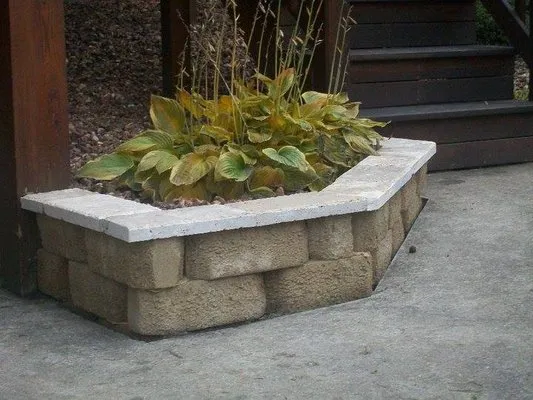
EarlyBird Lawn Care, owned by Jason, has been serving the Syracuse community since 2001. Founded on a commitment to quality after seeing many customers dissatisfied with other providers, the business ...
Lawn Enforcement is a trusted local provider in Baldwinsville, NY, offering comprehensive lawn care and snow removal services to address common landscaping challenges faced by homeowners. In a region ...
Estimated Landscaping Service Costs in Clay, NY
Question Answers
My lawn struggles to hold water and the grass is thin. Is this a problem with my property's history?
Properties in the Clay Central neighborhood, with houses averaging from 1959, have 67-year-old landscapes. The underlying acidic silt loam soil has likely become heavily compacted from decades of routine maintenance, severely reducing permeability. This compaction, combined with a naturally high seasonal water table, creates poor infiltration where water pools or runs off. Core aeration and incorporating composted organic matter are essential to rebuild soil structure and improve root zone health for your turf.
How quickly can you respond for an emergency storm cleanup to avoid HOA fines?
For urgent compliance or safety issues, we prioritize dispatch from our central staging near the Clay Town Hall. Using I-81, our electric service vehicles, exempt from noise restrictions, can typically reach most Clay Central locations within the 20-30 minute peak response window. We coordinate directly with property managers to document conditions and provide a timeline for debris removal and initial hazard mitigation upon arrival.
What invasive species should I watch for, and how do I treat them safely?
Be alert for Japanese Knotweed, Garlic Mustard, and Tree-of-Heaven. Manual removal is best for small infestations. For chemical control, use NYSDEC-approved herbicides and strictly follow the New York State Phosphorus Runoff Prevention Act, which prohibits phosphorus-containing fertilizers and restricts application timings to prevent nutrient pollution in our watersheds. Never apply near water bodies or before a heavy rain, and consider professional application for large-scale problems.
My yard is soggy for days after rain. What's a long-term solution for poor drainage?
This is a common issue with our region's acidic silt loam and high water table. The primary solution is improving subsurface drainage through French drains or dry wells that channel water away from foundations. For new hardscapes, specifying permeable jointing for concrete pavers or bluestone creates a permeable surface that reduces runoff, often a requirement for Town of Clay permits. Combining these strategies manages water at the source and mitigates infiltration problems.
Are concrete pavers or bluestone better than wood for a long-lasting patio?
Yes, both concrete pavers and bluestone offer superior longevity and lower maintenance than wood, which decays and requires sealing. In our freeze-thaw Zone 5b climate, properly installed pavers and stone are durable. From a Firewise perspective, these non-combustible materials are excellent for creating defensible space in the low-risk urban-suburban interface, as they do not contribute fuel compared to wooden decks or mulch beds placed near structures.
With voluntary water conservation, how do I keep my Kentucky Bluegrass healthy without overwatering?
Smart Wi-Fi soil-moisture sensing controllers are critical for conservation. They irrigate based on actual evapotranspiration (ET) and root zone moisture, not a fixed schedule. This prevents overwatering during rainy periods and targets watering precisely during dry spells, keeping turf healthy while reducing potable water use by 20-40%. This system is the most effective way to maintain turf within voluntary municipal guidelines and adapt to seasonal drought stress.
What permits and credentials are needed for regrading my 0.45-acre lot?
Regrading that alters drainage patterns or involves significant cut/fill typically requires a permit from the Town of Clay Department of Planning and Development. For the work itself, ensure your contractor holds the appropriate license through the New York State Department of State Division of Licensing Services. On a 0.45-acre lot, improper grading can impact neighboring properties and stormwater systems, making licensed, insured professionals essential for compliance and avoiding liability.
I want to reduce mowing and gas equipment noise. What are my options?
Transitioning high-maintenance turf areas to a climate-adaptive xeriscape with native plants is the most effective strategy. Species like Little Bluestem, Purple Coneflower, and Swamp Milkweed are adapted to Zone 5b, require no fertilization once established, and need minimal watering. This reduces mowing frequency and eliminates the need for gas-powered blowers, aligning with Clay's noise ordinances and creating a higher-biodiversity landscape that supports pollinators.
