Top Landscaping Services in Clark Mills, NY, 13321 | Compare & Call
There are 119 landscaping companies server in Clark Mills NY
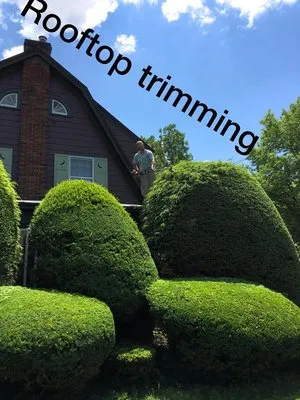
Busy B's Landscape and Fence is a family-owned and operated business serving Rome, NY, founded by Cory after six years of experience with another landscaping company. When that business closed, Cory s...
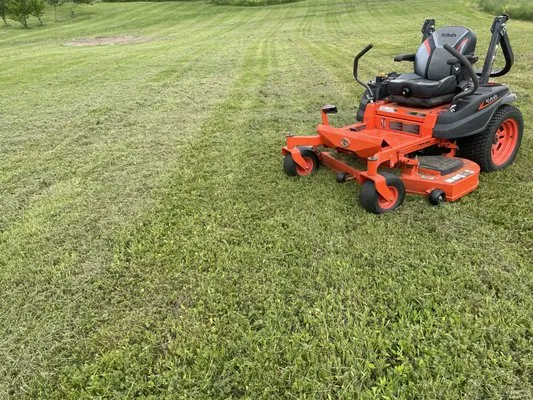
Appleridge Landscaping is a trusted lawn care and pressure washing provider serving West Winfield, NY, and surrounding areas. We specialize in comprehensive lawn care services designed to address comm...
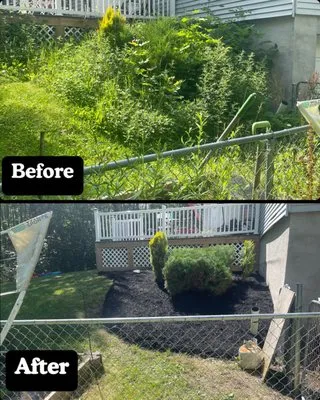
GMW Lawncare & Landscaping is a locally owned and operated team dedicated to improving the health and beauty of lawns in Marcy and the surrounding areas. Our focus is on providing reliable, expert ser...
Murphy Excavating
Murphy Excavating Corporation is a trusted, family-owned excavating firm serving New Hartford and the Mohawk Valley since 1952. As the area's oldest bonded excavating company, we specialize in both co...
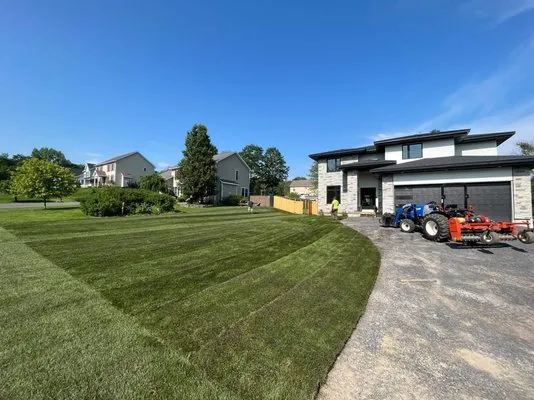
Superior Mowing Services in Whitesboro, NY is a full-service property maintenance company dedicated to enhancing outdoor spaces across Central New York. With a focus on reliability and value, we speci...
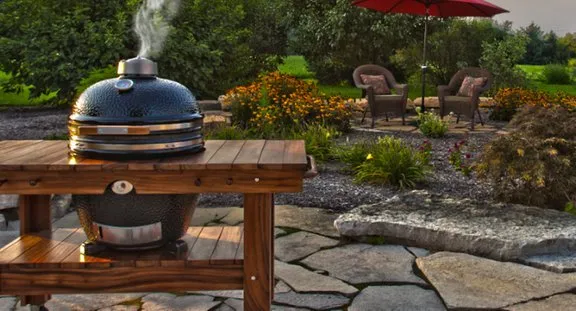
Dave's Landscaping is a licensed and insured landscaping contractor based in Clinton, New York, serving the Mohawk Valley and Central New York areas. Specializing in outdoor design and hardscaping, we...

AJ Property Maintenance is a trusted lawn care provider serving Oriskany, NY, and surrounding areas. We specialize in comprehensive lawn services designed to address common local landscaping challenge...

Bussonnais Lawn & Snow is a trusted local landscaping and snow removal business serving Whitesboro, NY, and the greater Utica area since 2008. Founded by owner Chris Bussonnais, the company started wi...
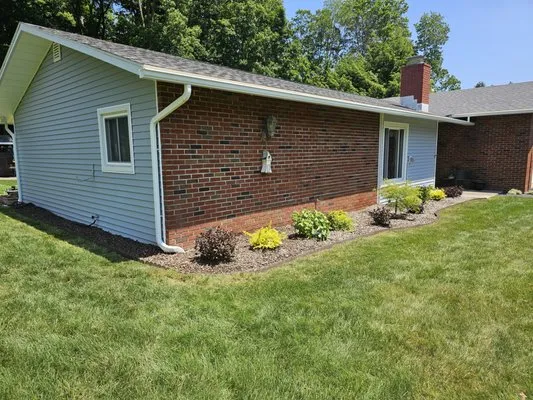
Jay Landscaping is a family-owned Frankfort, NY business with over twenty years of hands-on experience in landscaping and outdoor projects. Founded from a passion for quality work and a commitment to ...

Hillside Seasonal Services is a Rome, NY-based landscaping and snow removal company dedicated to enhancing and maintaining outdoor spaces throughout the seasons. We specialize in comprehensive service...
Estimated Landscaping Service Costs in Clark Mills, NY
FAQs
What invasive species should we watch for, and how do we control them safely?
Japanese Knotweed and Garlic Mustard are high-priority invasive species in this area. Manual removal is effective for small infestations. For larger issues, targeted herbicide application by a licensed professional is necessary, timed outside of the New York State Phosphorus Runoff Prevention Act's restricted application periods to protect Oriskany Creek. Always dispose of plant material in the trash, not compost, to prevent spread.
We're adding a patio. Is bluestone or wood a better long-term choice?
Bluestone or permeable concrete is superior for longevity and low maintenance. Wood decks require regular sealing and are susceptible to rot. In contrast, stone or concrete hardscapes are permanent, provide a stable surface, and contribute to a defensible space in our Low Fire Wise rating zone by creating a non-combustible barrier. Their permeability also manages runoff more effectively than solid pavers.
Our lawn seems tired and compacted. What's the root cause in our Clark Mills Village Center neighborhood?
Lawns in this neighborhood, established around 1985, are now 40+ years old. The acidic silt loam soil has become compacted from decades of foot traffic and equipment use, reducing its permeability and oxygen availability to roots. This compaction is the primary cause of poor turf health and thinning. A core aeration program, combined with top-dressing with compost, is critical to rebuild soil structure and reintroduce beneficial microbial activity.
Is there a lower-maintenance alternative to our weekly mowing schedule?
Yes. Transitioning sections of high-input turf to a native plant meadow is a strategic, climate-adaptive practice. Species like Common Milkweed, New England Aster, and Wild Bergamot are adapted to Zone 5b and require no mowing, minimal water, and no synthetic fertilizers. This reduces fuel consumption and noise, aligning with evolving ordinances that may restrict gas-powered equipment, while significantly enhancing local biodiversity.
Our yard stays soggy for days after rain. What's the best fix for our soil type?
The seasonal high water table and poor infiltration in our acidic silt loam are common. The solution involves improving subsurface drainage and surface permeability. Installing a French drain system can intercept groundwater, while replacing solid hardscape with permeable concrete or gravel-set bluestone allows water to infiltrate onsite. These measures help meet the Town of Kirkland's runoff management standards by reducing stormwater discharge.
What permits and licenses are needed for a major regrading project on our 0.35-acre lot?
Any significant earthmoving or regrading that alters drainage patterns requires a permit from the Town of Kirkland Planning and Zoning Office. Furthermore, the contractor performing the work must hold the appropriate Home Improvement Contractor license from the New York State Department of State. This licensing ensures they carry required insurance and adhere to state codes, which is critical for protecting your property value and avoiding liability.
How do we keep our Kentucky Bluegrass lawn green without violating water restrictions?
While Clark Mills is currently in Stage 0, proactive water conservation is essential. Smart soil-moisture sensor controllers are the standard solution. These devices bypass scheduled watering when the soil has sufficient moisture, preventing over-irrigation. This technology can reduce water use by 20-30% while maintaining turf health by delivering water only when the root zone requires it, aligning with municipal conservation goals.
If a storm downs a tree, how fast can a crew get here for emergency cleanup?
For urgent storm response, crews are dispatched from a staging area near the Oriskany Creek Bridge. Using NY-233, travel to the Clark Mills Village Center is estimated at 25-35 minutes during peak traffic conditions. This allows for a rapid assessment and initial safety cleanup to secure the property and clear access routes, with full debris removal following shortly after.
