Top Landscaping Services in Clarence, NY, 14031 | Compare & Call
There are 138 landscaping companies server in Clarence NY
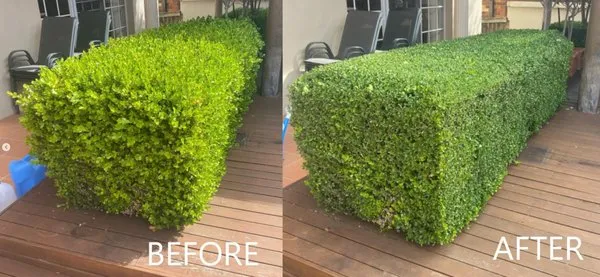
Amherst Landscaping has been a trusted name in Williamsville for years, providing reliable and professional outdoor services to our community. We understand the unique challenges of Western New York's...
Reel Tree Service is a locally owned and operated tree care and landscaping company serving Buffalo, NY. We specialize in comprehensive tree and shrub services, from planting and pruning to disease ma...
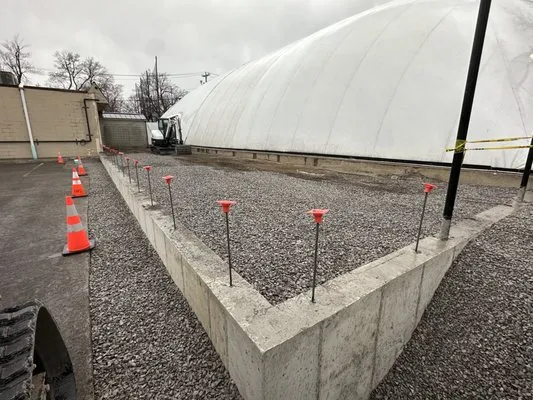
Piersa Enterprises Inc. is a trusted, family-owned and operated business serving Collins, NY, and the greater Western New York community. With decades of combined experience, we provide reliable, full...
Purple Frog Landscaping provides expert landscaping services to homes and businesses in Amherst, NY. We understand that local homeowners often face frustrating issues like sprinkler leaks, which waste...
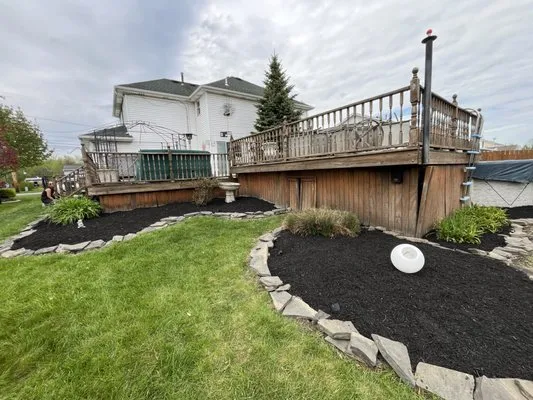
716 Landscaping & Property Maintenance is a Cheektowaga-based landscaping company dedicated to enhancing outdoor spaces across Western New York. We specialize in comprehensive property care, from rout...
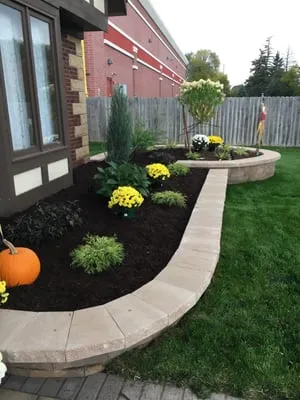
Stonish's Lawn Care & Snowplowing is a locally owned and operated business serving Amherst, NY, and the wider Western New York area. Founded as a dedicated lawn care service, we expanded to meet our c...
Empire State Services is a Buffalo-based landscaping, snow removal, and masonry/concrete company founded by Chad, who brings over 20 years of industry experience. We specialize in comprehensive outdoo...

For four decades, Weed Man Albion has been a trusted local partner for homeowners seeking a healthy, vibrant lawn. We understand that your yard is an extension of your home—a place for family, pets, a...
Blair Care is a locally owned and operated Cuba, NY company dedicated to comprehensive property care. We combine landscaping, snow removal, and general contracting expertise to serve as a reliable par...
DC Hauling Excavating & Gravel Driveway Specialists
DC Hauling Excavating & Gravel Driveway Specialists, Inc. is a New York State certified woman-owned business based in Holley, NY, founded in 2012 by Heather. Starting with a single dump truck, the com...
Estimated Landscaping Service Costs in Clarence, NY
Q&A
How do I manage invasive species without violating fertilizer regulations?
Japanese knotweed and garlic mustard require targeted mechanical removal before seed set in early spring. NYS Phosphorus Fertilizer Law prohibits phosphorus applications except for new lawn establishment, so soil amendments focus on potassium and micronutrients. We implement cultural controls like dense native plantings that outcompete invasives. Treatment timing avoids blackout dates while maximizing effectiveness against Clarence's common invaders.
Should I replace some lawn with native plants to reduce maintenance?
Transitioning high-maintenance turf areas to Common Milkweed, New England Aster, and Little Bluestem reduces mowing frequency by 60-80%. These natives thrive in Zone 6a without irrigation once established, aligning with electric equipment adoption timelines. The deep root systems of Joe-Pye Weed improve soil structure naturally. This approach future-proofs your landscape against evolving noise ordinances and water conservation measures.
How quickly can you respond to storm damage for HOA compliance in Clarence?
Emergency cleanup crews dispatch from Clarence Town Park via NY-33 (Genesee Street) with 25-35 minute peak response times. This routing avoids residential congestion while maintaining accessibility to Clarence Center properties. We coordinate with town officials for priority access during declared weather events, ensuring debris removal meets municipal timelines. Electric equipment operates within noise ordinance hours for extended cleanup windows.
What permits and licenses are needed for grading my half-acre property?
Grading projects exceeding 100 cubic yards of earth movement require Town of Clarence Planning & Zoning Department review for erosion control compliance. Contractors must hold New York State Department of State licensing for landscape architecture or excavation work. On 0.50-acre lots, even minor grading can impact drainage patterns affecting neighboring properties. Professional licensing ensures proper stormwater management system design and installation.
Will smart irrigation keep my Kentucky Bluegrass healthy during dry spells?
Wi-Fi ET-based weather sensing irrigation calculates precise evapotranspiration rates for your specific microclimate. This system applies only the water your turfgrass blend actually needs, typically 20-30% less than traditional timers. During voluntary conservation periods, the controller automatically adjusts schedules based on real-time weather data. This maintains turf health while staying well below municipal water usage benchmarks.
Are concrete pavers or natural bluestone better for Clarence's climate?
Both materials outperform wood in longevity, with 30+ year lifespans versus wood's 10-15 years. Concrete pavers offer consistent permeability ratings for drainage compliance, while natural bluestone provides superior freeze-thaw resistance. For Clarence's low Firewise rating, non-combustible hardscapes create defensible space without maintenance concerns. Material selection depends on specific site drainage needs and aesthetic integration with existing architecture.
What solutions exist for seasonal water table issues in Clarence yards?
Silt loam's poor infiltration requires engineered drainage systems rather than simple grading. French drains with clean stone aggregate create subsurface channels that bypass compacted layers. Permeable concrete pavers or natural bluestone installations meet Town of Clarence Planning & Zoning Department runoff standards by allowing 80-95% infiltration. These systems work with the seasonal high water table rather than against it.
Why does my Clarence Center lawn have drainage issues despite regular care?
Your 1966-built property has 60-year-old soil that has become compacted over decades. Clarence Center's neutral to slightly acidic silt loam naturally develops poor permeability when undisturbed, creating a dense layer that restricts water movement. Core aeration with organic amendments like composted leaf mold addresses this by reintroducing pore space and microbial activity. This process mimics natural soil development cycles that residential landscapes typically lack.
